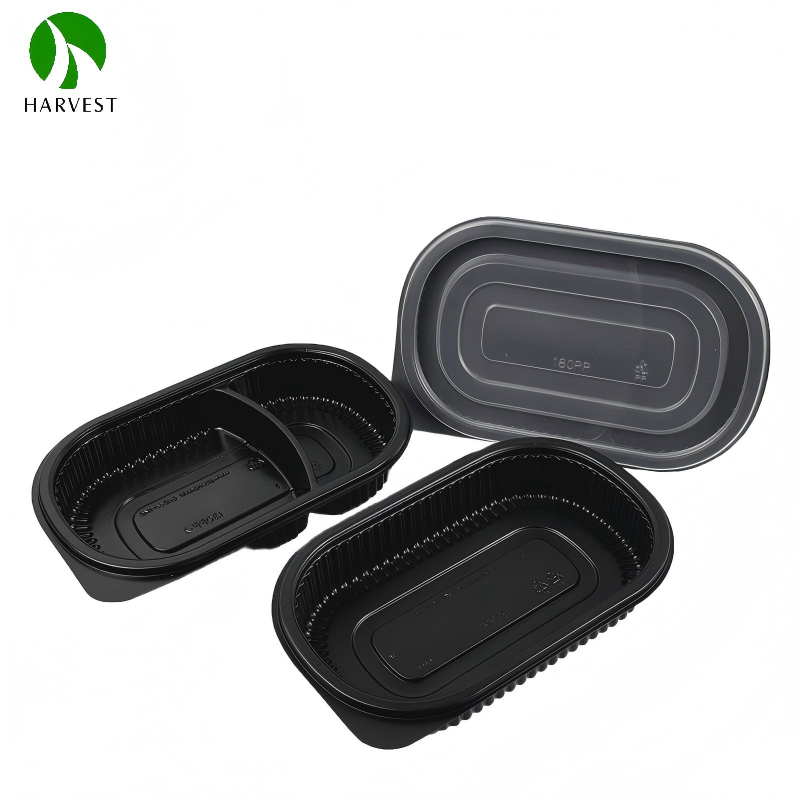
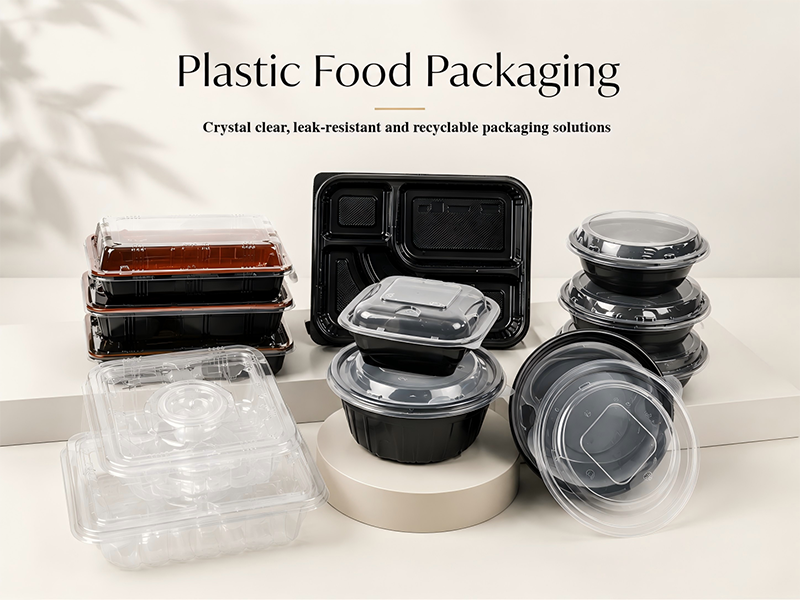
 Recyclable Plastic Food Packaging
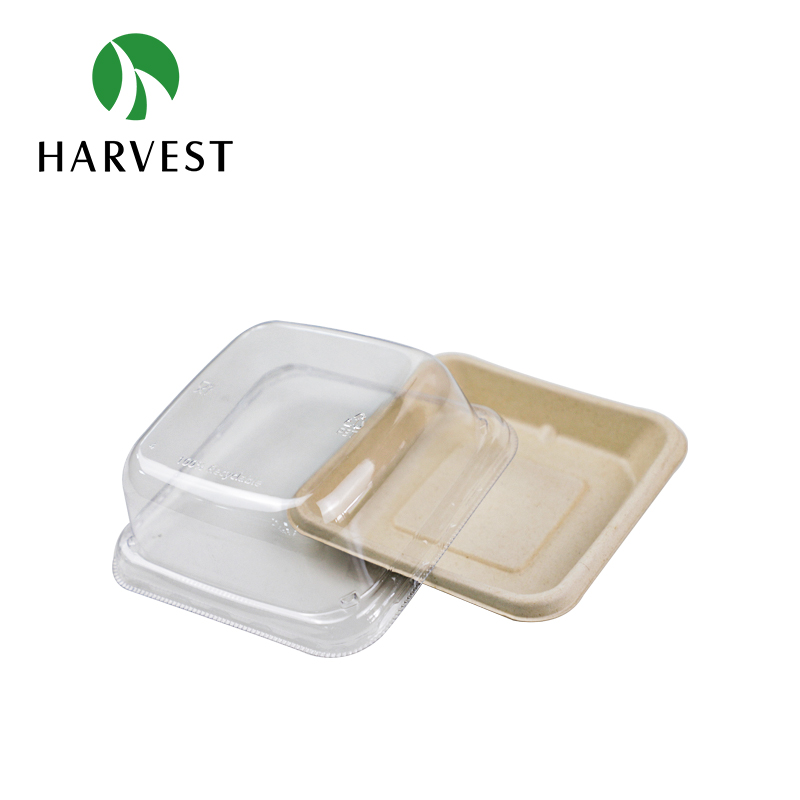
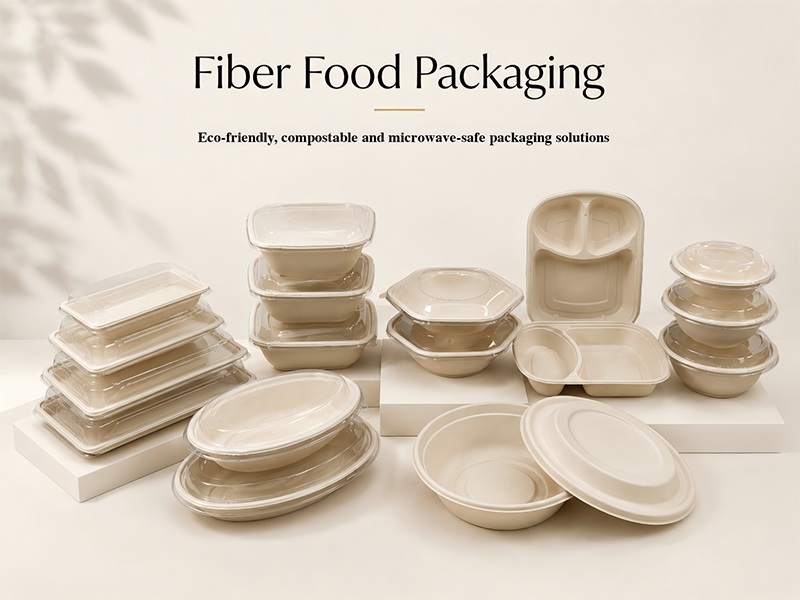 Compostable Fiber Food Packaging
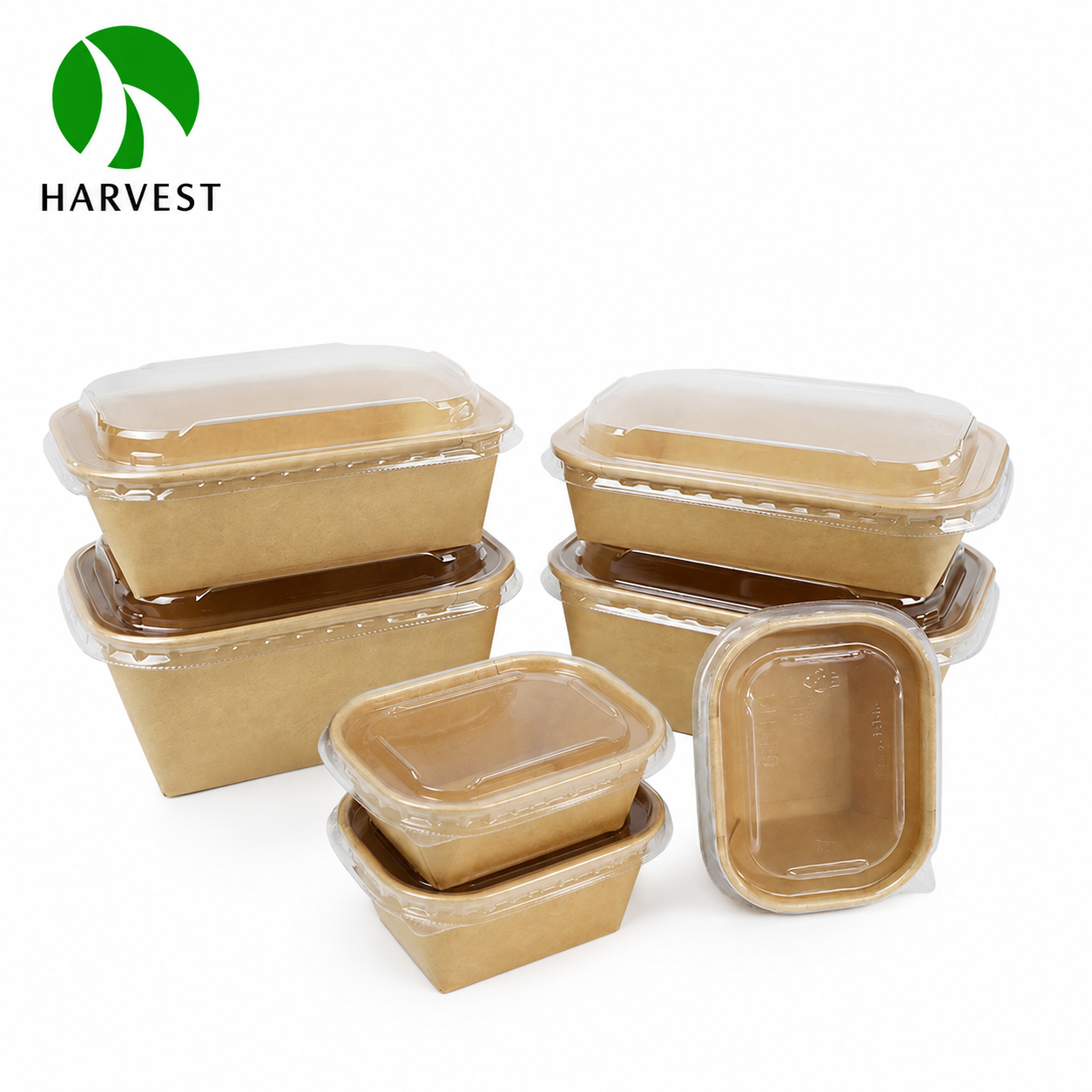
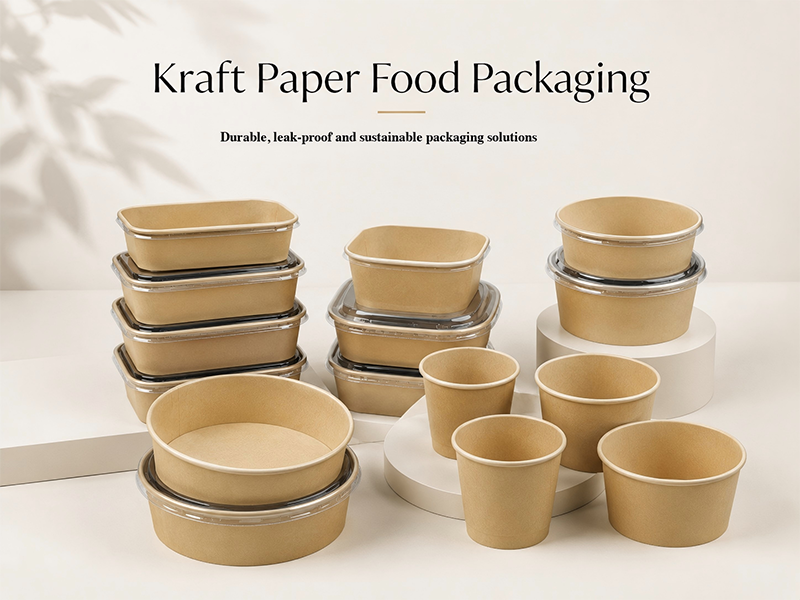 Recyclable Kraft Paper Food Packaging
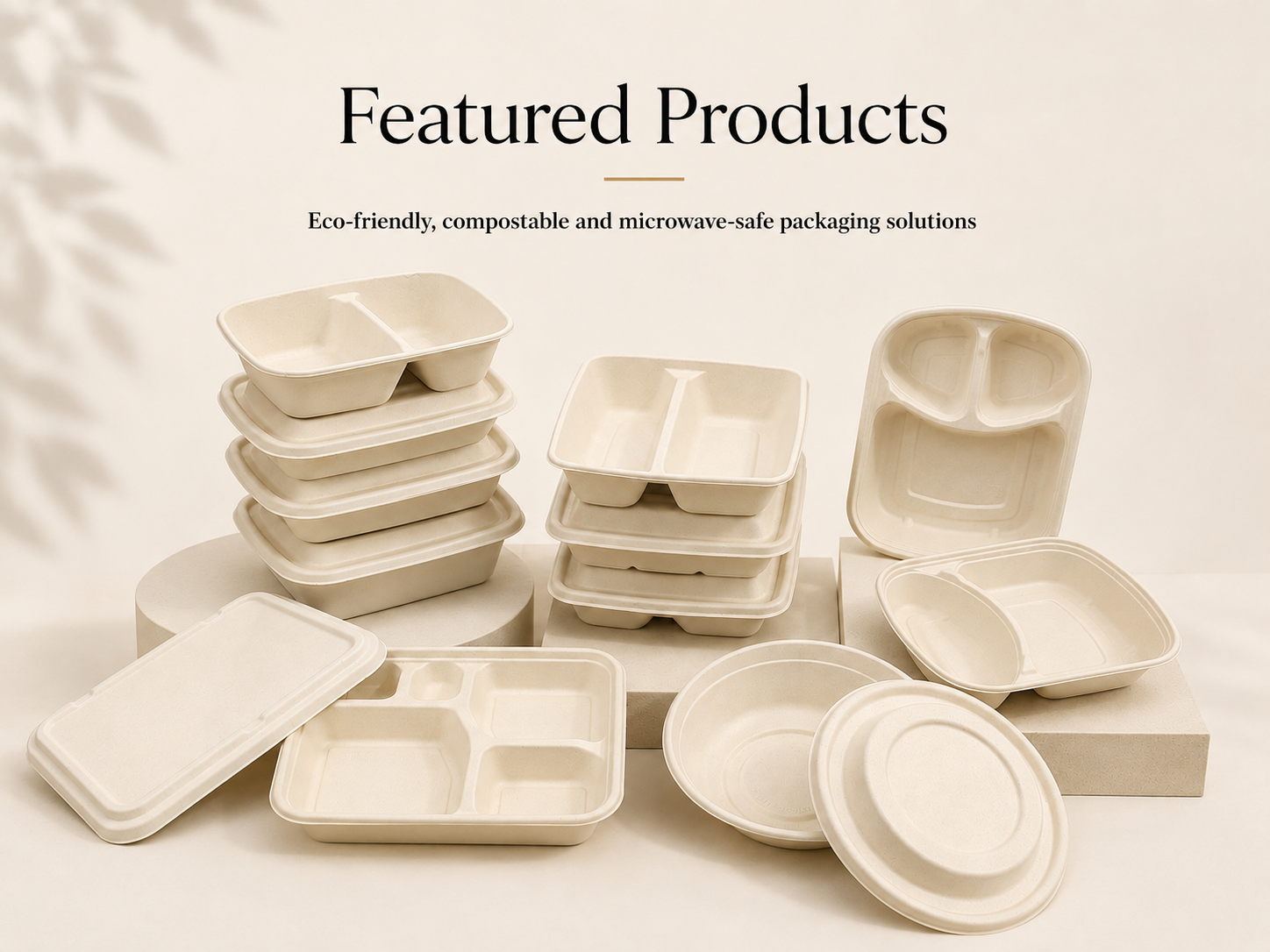 Featured Products
 +86 18024107061
- Home
- Products
- About Us
- Solutions
- News
- FAQ
- Contact Us
Leave Your Message
-
Contact Whatsapp
-
 Contact via email
Italy, globally celebrated for its rich culinary heritage, is experiencing a massive paradigm shift in its food service and hospitality industry. The rise of digital food delivery platforms like Glovo, Just Eat, and Deliveroo in major metropolitan hubs such as Milan, Rome, Turin, and Naples has transformed how Italians consume food. However, this convenience brings a critical challenge: the demand for high-performance, sustainable, and legally compliant takeaway food containers.
Historically reliant on aluminum trays and single-use plastics, the Italian catering sector is rapidly adopting eco-friendly alternatives. This transition is heavily driven by consumer consciousness. Italian diners increasingly demand that their food—whether a hot plate of Tagliatelle al Ragu or a fresh Caprese salad—be delivered in packaging that respects the environment. Consequently, restaurants, pizzerias, and catering companies are actively looking for reliable manufacturers capable of supplying premium-grade, compostable, and recyclable containers.
Key Market Driver: The Italian consumer's deep connection to food quality means packaging must preserve the sensory attributes of hot, artisanal meals without leaking, losing structural integrity, or altering the food's authentic taste.
Operating in the Italian food service market requires strict adherence to European and national environmental regulations. The European Union's Single-Use Plastics (SUP) Directive has systematically banned or heavily restricted traditional single-use plastic tableware. In response, Italy has implemented stringent rules encouraging circular economy practices, including the highly discussed "Plastic Tax" on non-recycled plastic packaging.
For Italian businesses, this means importing or purchasing takeaway containers is no longer just about finding the lowest cost. Containers must comply with food safety standards (such as Italy's MOCA regulations—Materiali e Oggetti a Contatto con gli Alimenti) and be certified compostable under the EN 13432 European standard. Pulp-based sugarcane bagasse, bamboo fiber, and high-performance kraft paper have emerged as the leading compliant materials. They offer the necessary durability while bypassing heavy taxes and regulatory penalties.
Navigating the pricing of food containers in Italy requires understanding the variables that influence wholesale and manufacturing costs. Generally, prices are determined by material type, size, lid specifications, customization, and order volume. Below is an indicative pricelist analysis for bulk buyers, distributors, and large restaurant chains importing from global manufacturers:
| Container Type | Common Sizes | Primary Material | Estimated Price Range (EUR/Unit) | Best Application in Italy |
|---|---|---|---|---|
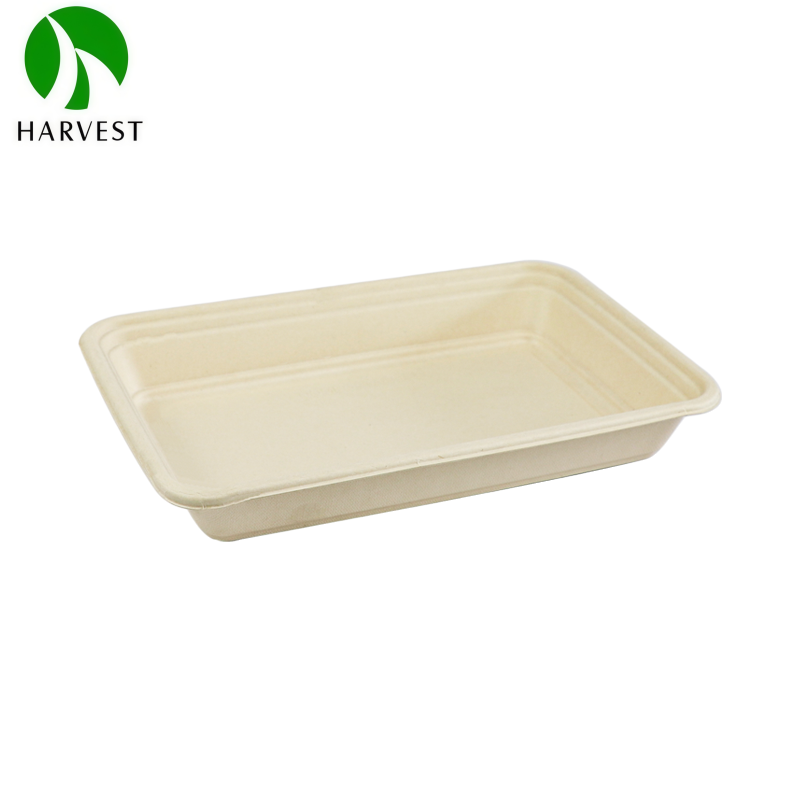
| Rectangle Pulp Food Container | 500ml - 1500ml | Sugarcane Bagasse | €0.08 - €0.18 | Lasagna, Baked Pasta, Hot Entrées |
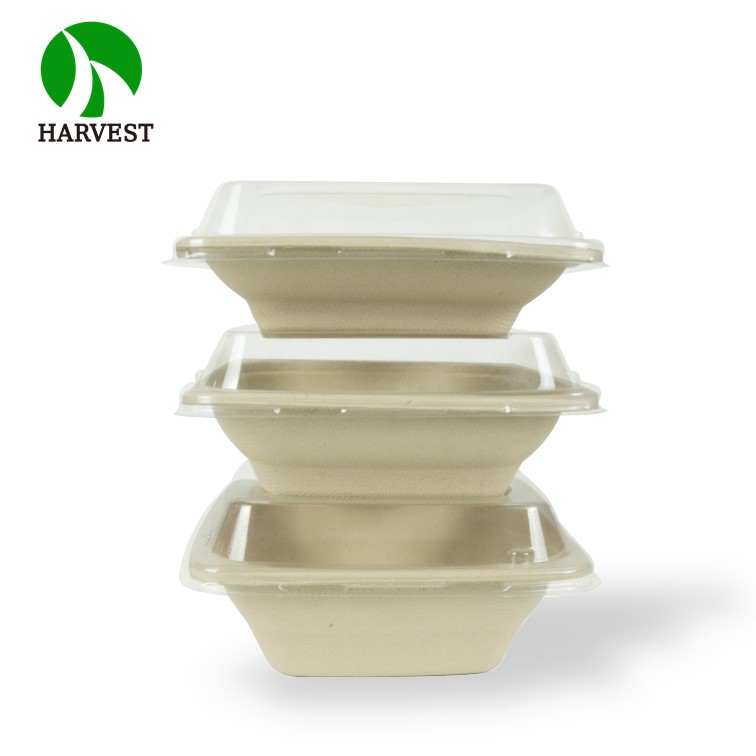
| Square & Round Salad Containers | 24oz - 40oz | Kraft Paper / PET Lid | €0.10 - €0.22 | Organic Salads, Poke Bowls |
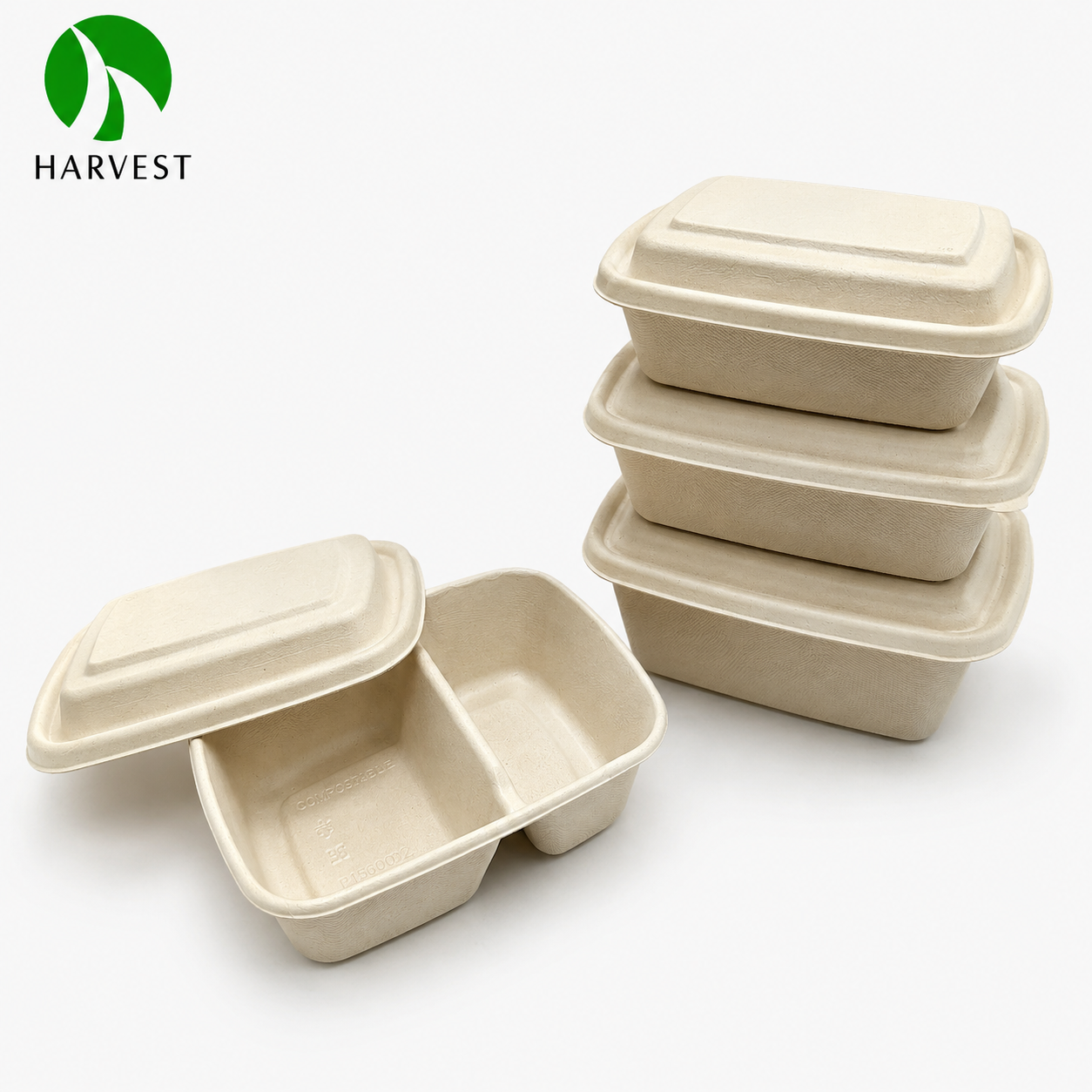
| Compostable Fiber Takeaway Box | 1-Compartment / 3-Comp | Sugarcane / Bamboo | €0.12 - €0.25 | Catering, Seafood Platter, Fritto Misto |
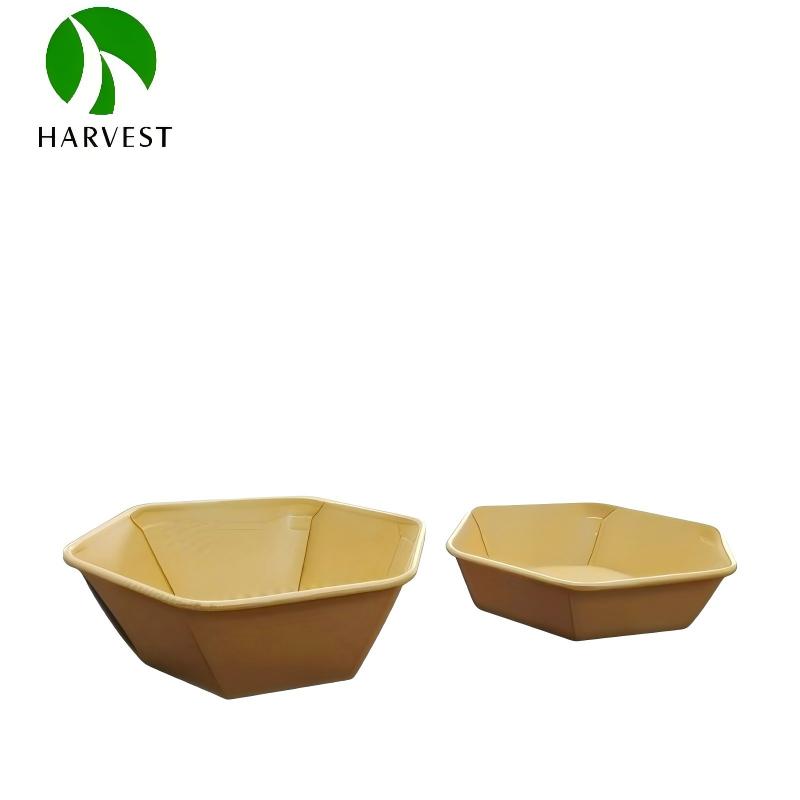
| Hexagon & Round Salad Bowls | 750ml - 1200ml | Kraft Paper | €0.09 - €0.19 | Gourmet Insalata, Grain Bowls |
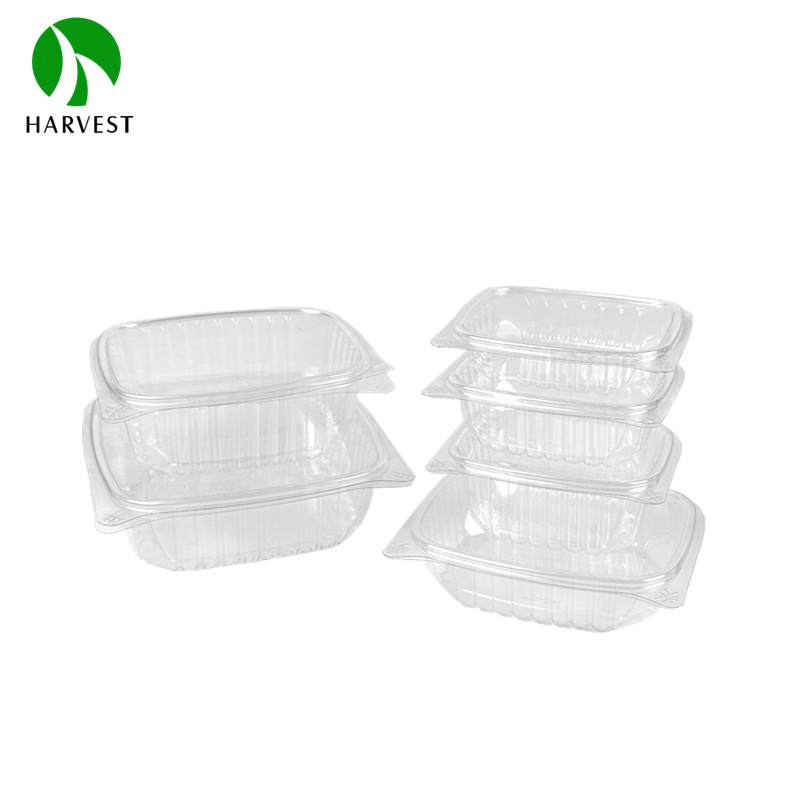
| Recyclable Oval Plastic Boxes | 16oz - 38oz | PP (Microwavable) | €0.07 - €0.15 | Gravy Dishes, Reheatable Meals |
Note on Pricing Factors: Bulk purchasing directly from manufacturers like Harvest Group significantly reduces unit costs. Additional factors affecting the final landing price in Italy include shipping freight rates to major ports (such as Genoa, La Spezia, and Trieste) and custom printing options using eco-friendly soy-based inks.
To successfully integrate sustainable packaging into the Italian market, products must align with specific culinary and regional dining habits:
Traditional Italian dishes like wood-fired pizzas, arancini, and hot pasta require packaging with exceptional grease and heat resistance. Sugarcane bagasse and heavy-duty kraft paper containers prevent oil leakage while keeping the food warm during transit from the kitchen to the customer's home.
In fast-paced business districts like Milan's Porta Nuova, healthy eating and aesthetic appeal are paramount. High-clarity PET lids paired with hexagonal or square kraft paper salad containers showcase the freshness of ingredients, driving impulse purchases and enhancing brand value.
Along the Amalfi Coast and Liguria, takeaway seafood (Fritto Misto) is highly popular. Breathable, compostable fiber trays and clamshells are essential to keep fried food crispy, preventing steam buildup that makes the batter soggy.
Founded in 2003, Harvest Group has grown from a food packaging manufacturer into a sustainable packaging solutions provider with multiple production bases in China and Taiwan. Foshan City Harvest Packaging Co., Ltd., located in Guangdong Province, serves as one of the group’s key manufacturing and service centers, supporting global customers with reliable, practical, and environmentally responsible food packaging solutions.
Over the past two decades, Harvest Packaging has continued to focus on the changing needs of the food service packaging industry. Our core product lines include pulp food packaging and kraft paper food packaging, covering pulp lunch boxes, bowls, trays, burger boxes, sushi boxes, soup cups, kraft paper trays, bowls, boxes, cups, salad boxes, sauce cups, and other food service packaging products. We also supply high quality plastic food containers to meet different catering, takeaway, retail, and food service needs.
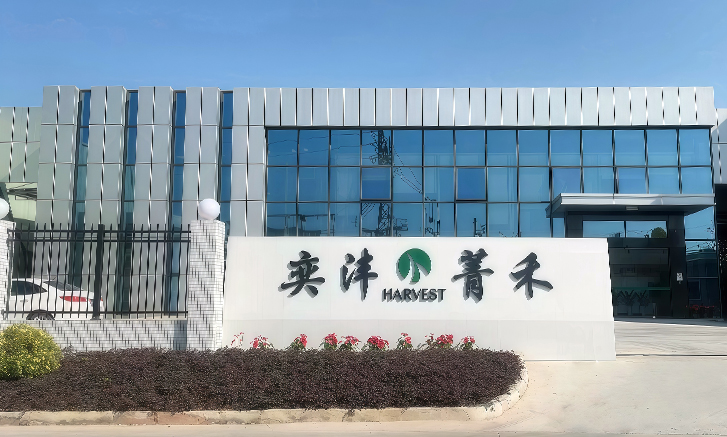
Guided by the business principles of integrity, compliance, and shared growth, Harvest Packaging is committed to building trustworthy and long term relationships with customers, partners, and suppliers. Our management philosophy emphasizes efficiency, innovation, collaboration, and service, enabling us to respond quickly to customer needs and continuously improve our operations.
We support stable supply, flexible customization, long term cooperation, and solutions tailored to different market requirements. Through consistent quality, responsible manufacturing, and responsive service, Harvest Packaging helps global customers build reliable packaging supply chains and meet both business and sustainability goals.

We provide a comprehensive range of high-quality consumer disposable tableware, covering an extensive selection of products including bowls, plates, trays, bento boxes, and other customized food service solutions to meet diverse market demands.

Our products are manufactured using 100% tree-free, eco-conscious raw materials such as sugarcane fiber and bamboo. These renewable resources are fully biodegradable, non-toxic, safe for direct food contact, recyclable, and sustainable, aligning with the global trend of green development.

All our products adhere to stringent international food contact safety standards and have acquired authoritative third-party certifications. Our certifications include US FDA, EU SGS, QS, BPI, and ASTM certificates, demonstrating our unwavering commitment to quality control.
As Italy continues to align with the European Green Deal, the focus is shifting from simple biodegradability to a comprehensive circular economy. This means takeaway food containers must be designed with their end-of-life cycle in mind. For instance, pulp containers that can be composted along with organic food waste (the "umido" bin in Italy's municipal waste system) are highly favored because they reduce sorting errors for consumers.
Furthermore, local Italian municipalities are setting up advanced industrial composting facilities. By utilizing sugarcane bagasse containers certified under EN 13432, businesses contribute to agricultural compost production, closing the loop. For manufacturers and distributors, highlighting these circular benefits is key to securing contracts with eco-conscious Italian food chains and public sector catering services.