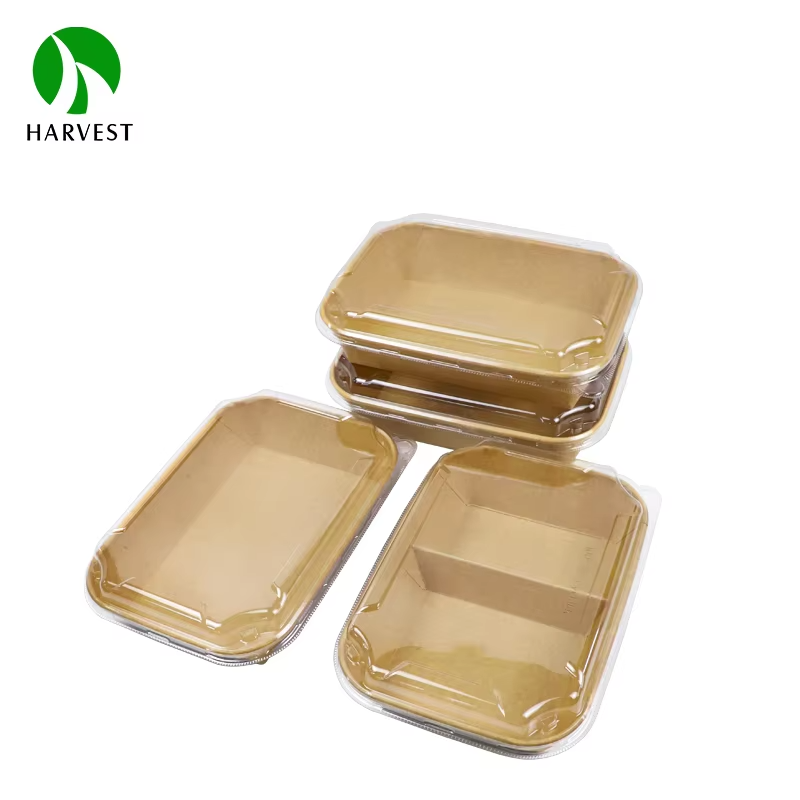
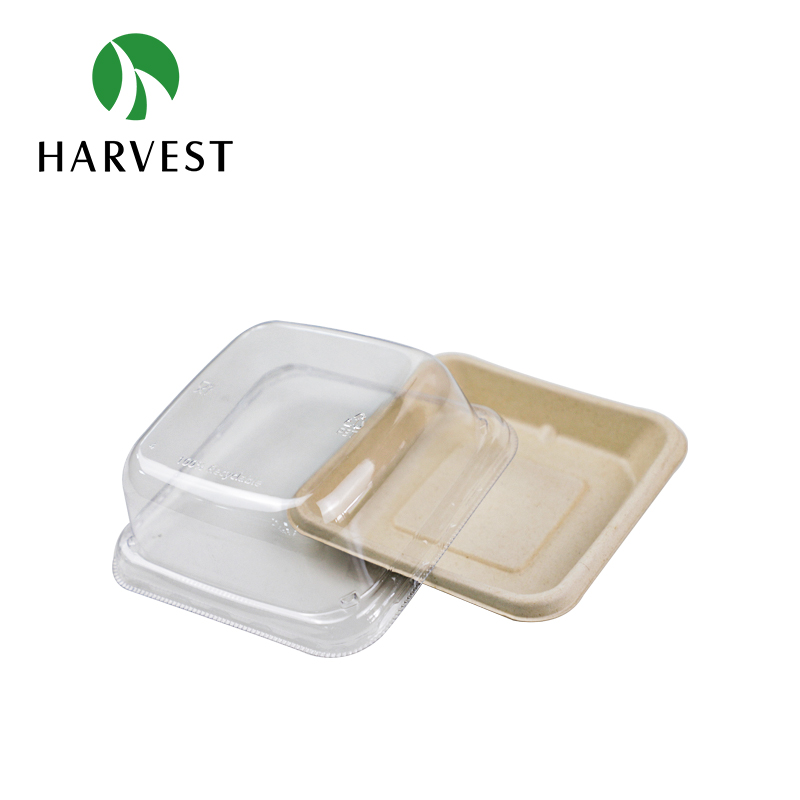
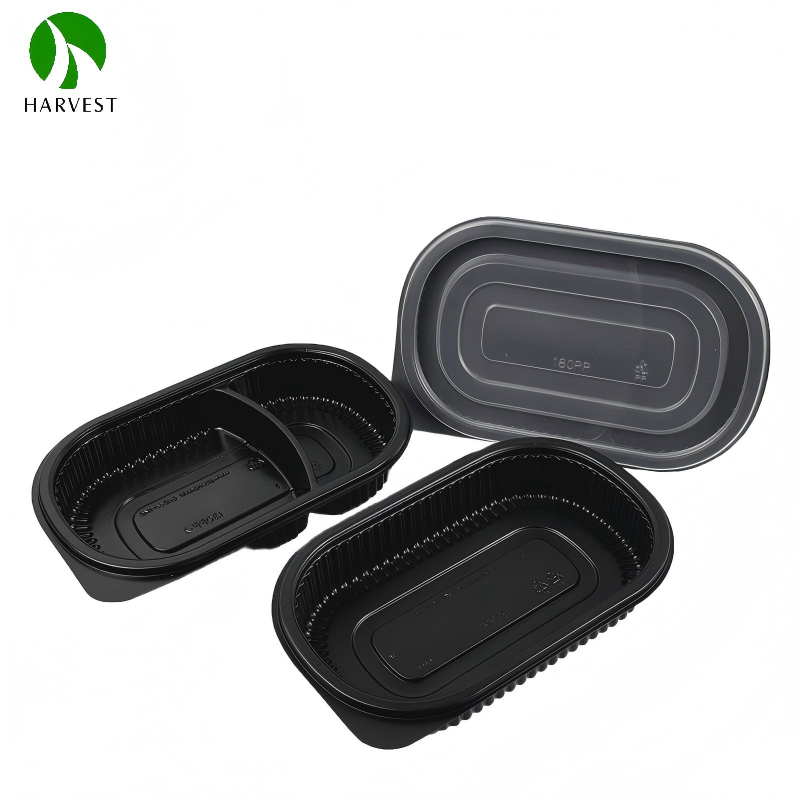
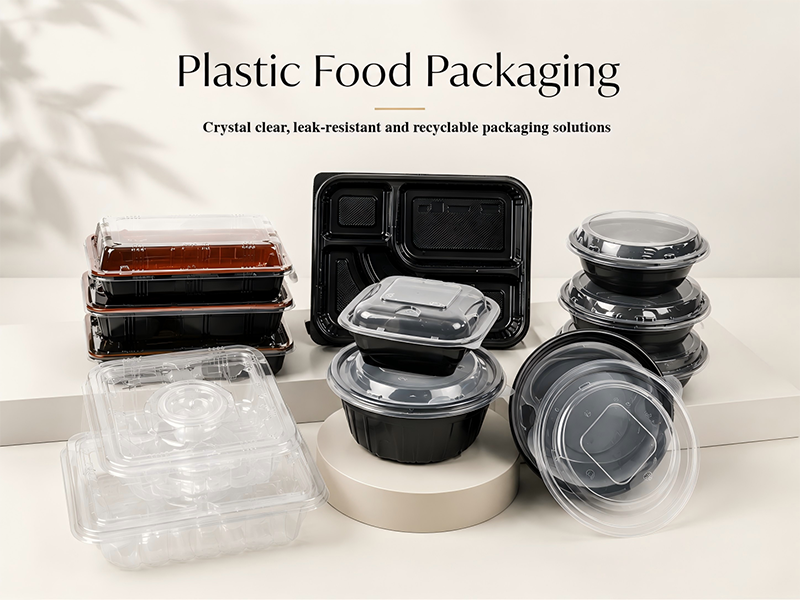
 Recyclable Plastic Food Packaging
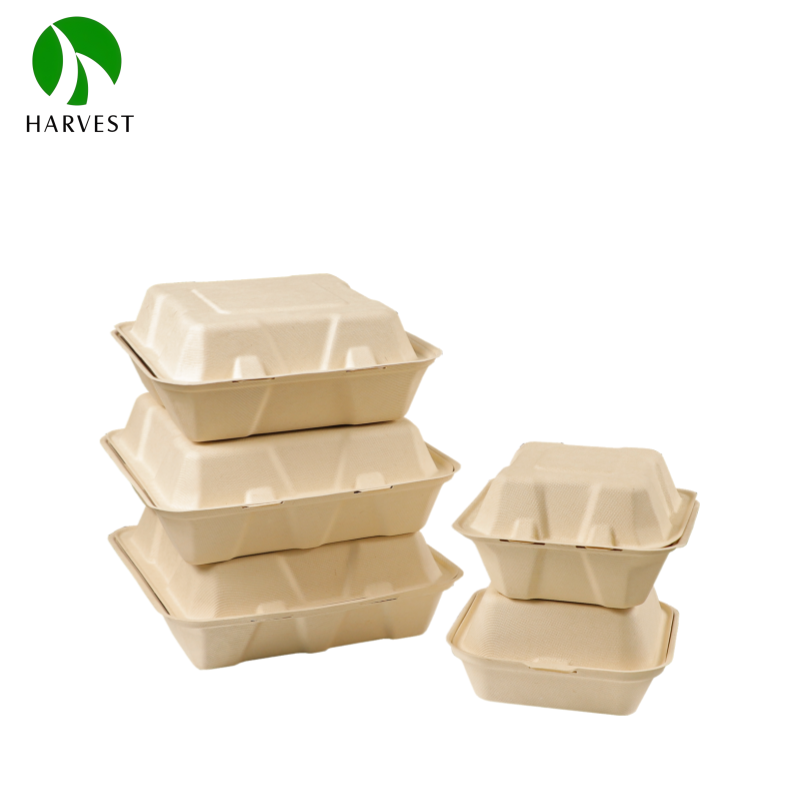
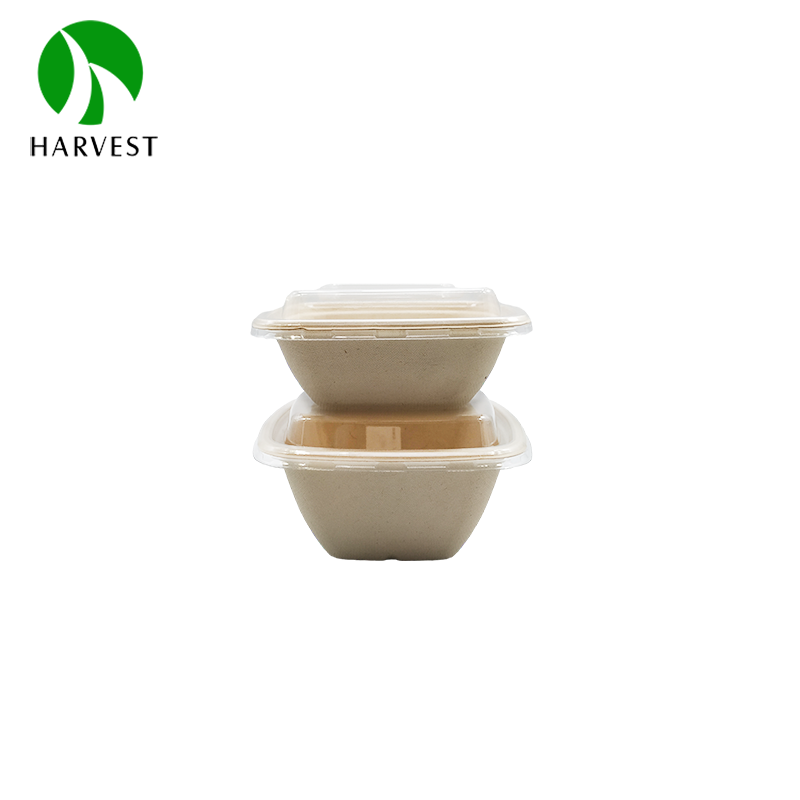
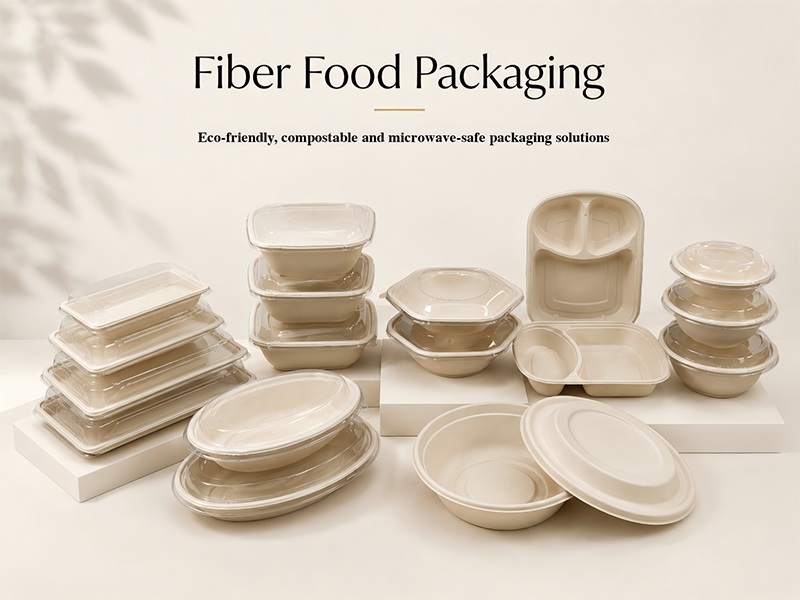 Compostable Fiber Food Packaging
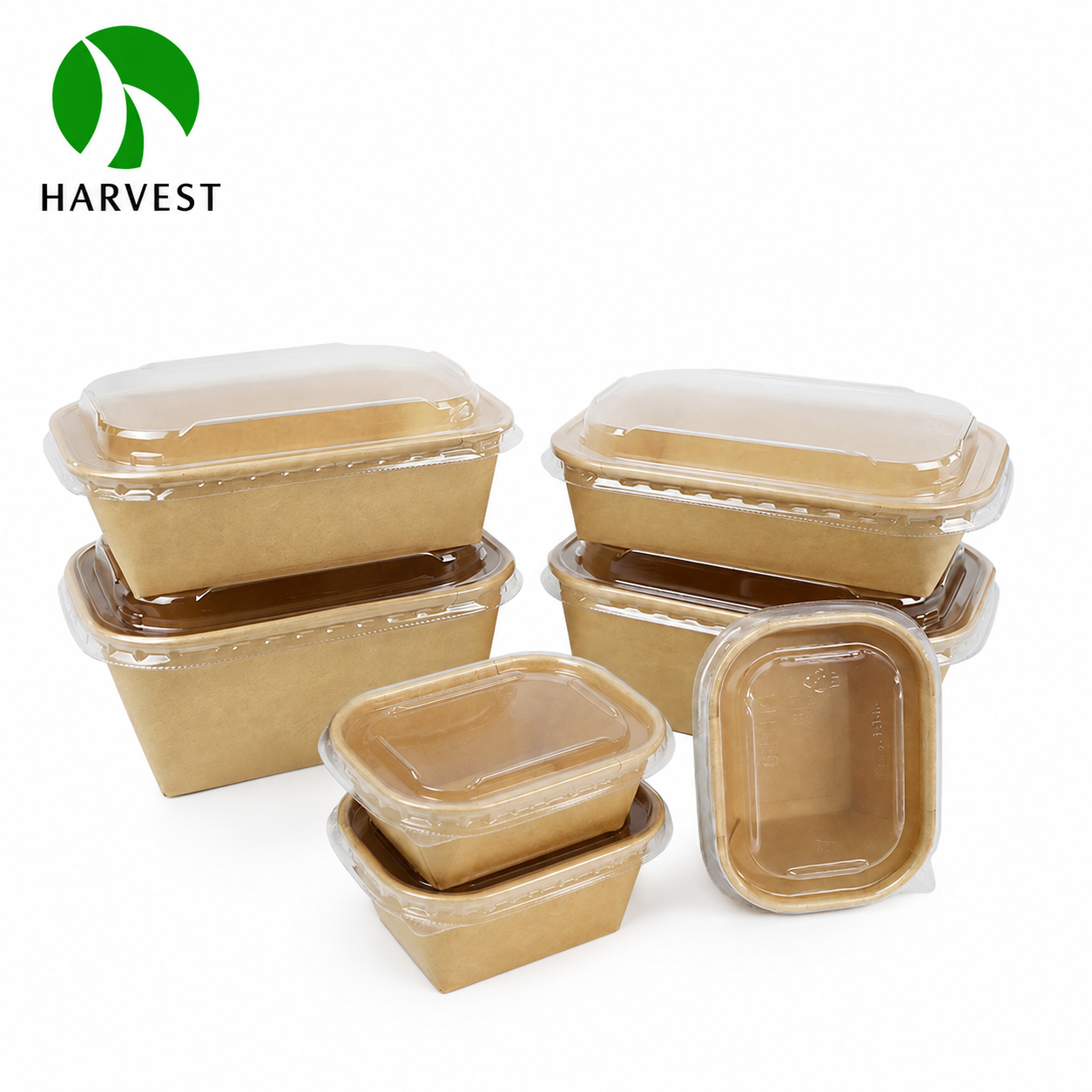
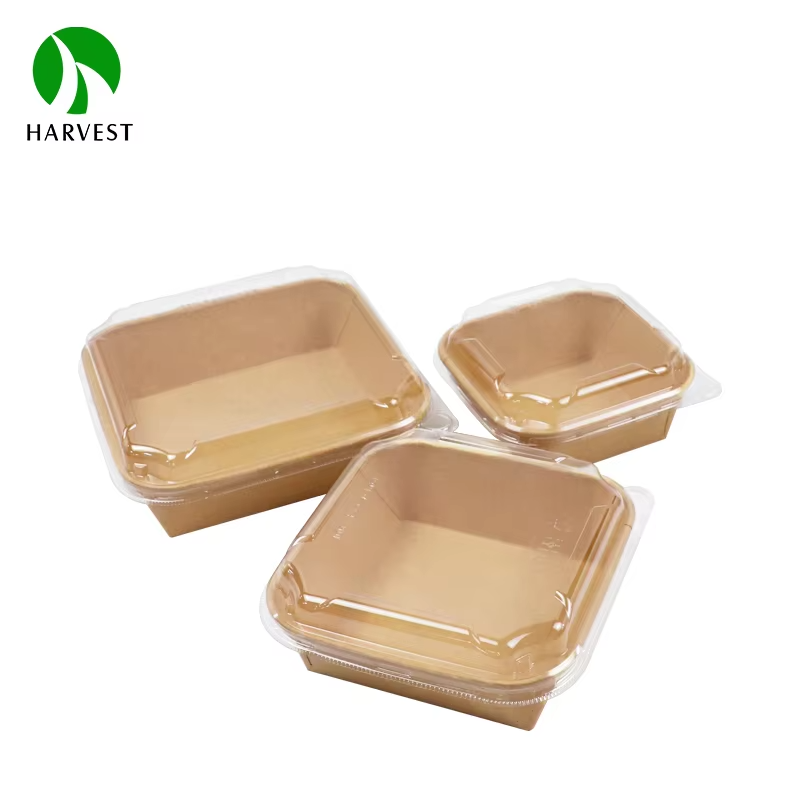
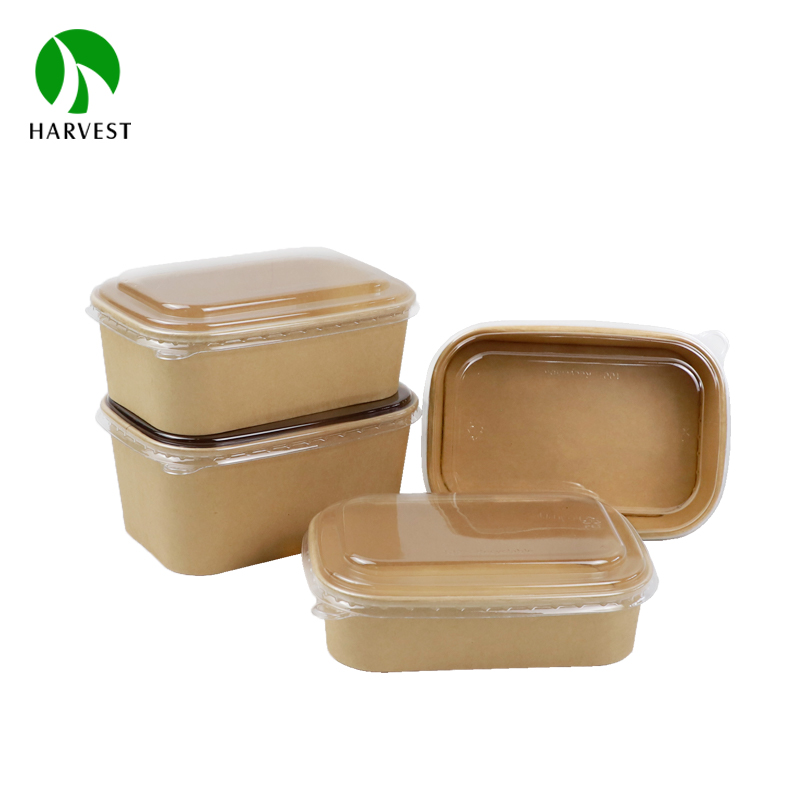
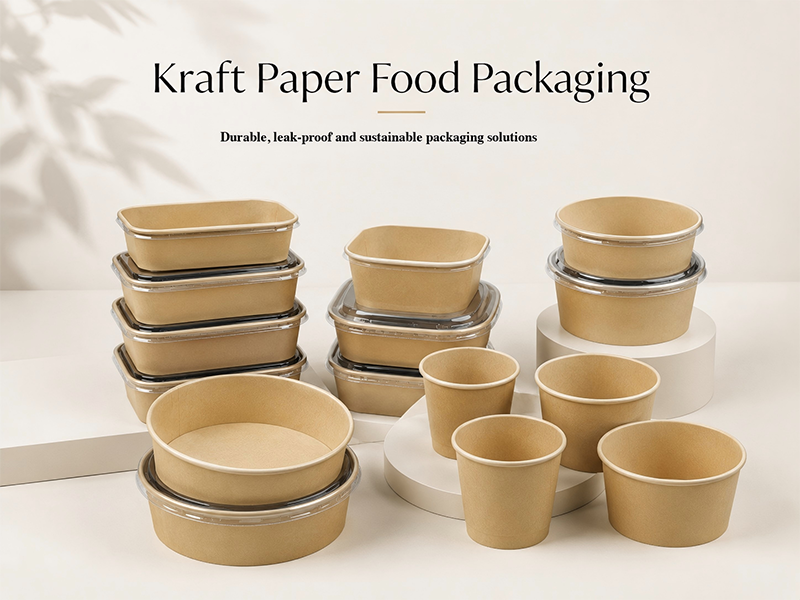 Recyclable Kraft Paper Food Packaging
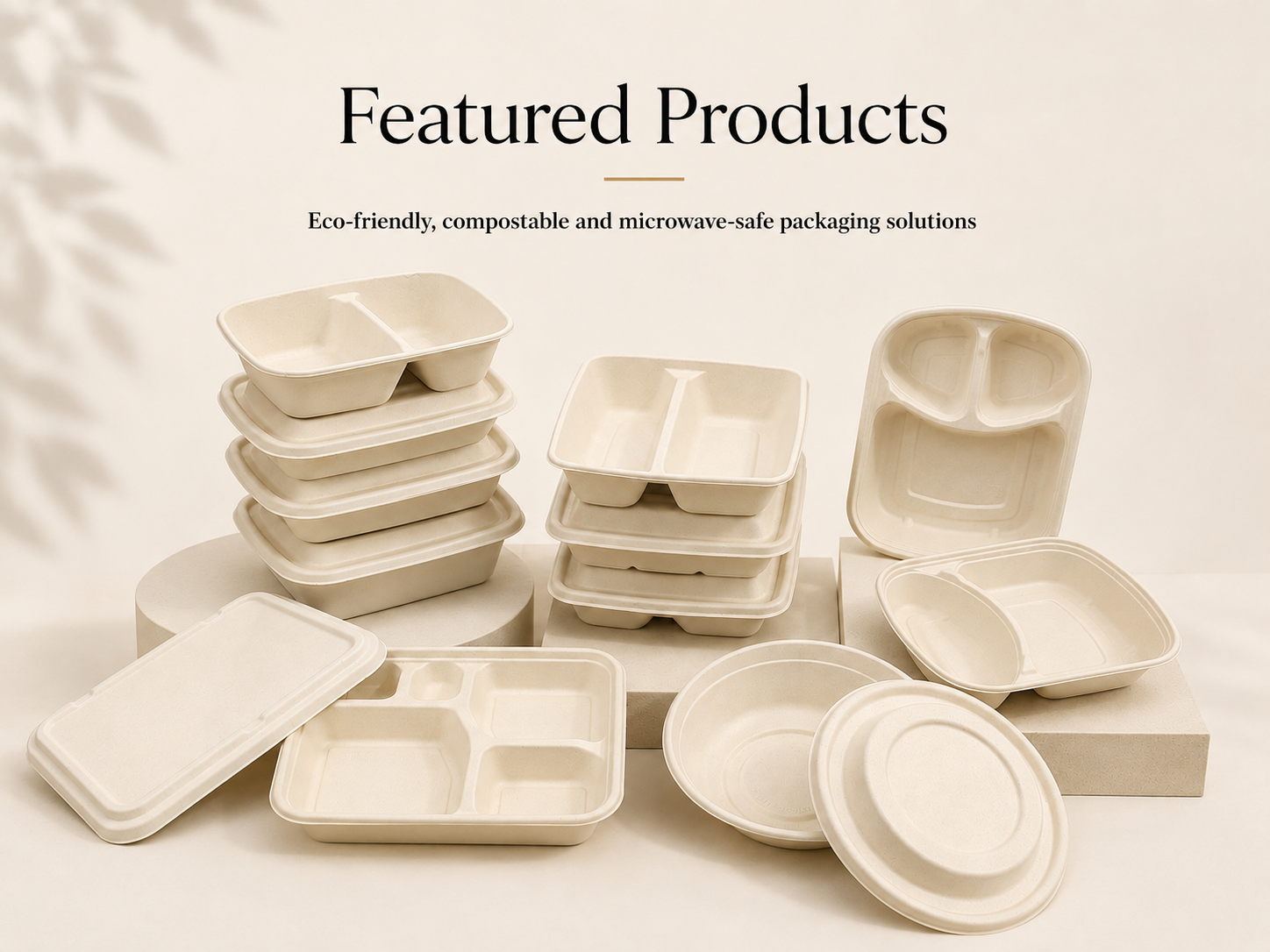 Featured Products
 +86 18024107061
- Home
- Products
- About Us
- Solutions
- News
- FAQ
- Contact Us
Leave Your Message
-
Contact Whatsapp
-
 Contact via email
Explore our top-tier, compliant, and durable food containers engineered to withstand the rigorous demands of American food delivery networks.
Understanding the regulatory environment, consumer demand, and industrial dynamics shaping food service packaging in North America.
In the United States, the food service landscape has undergone a permanent structural transformation. Enabled by digital applications and third-party delivery platforms such as DoorDash, UberEats, and Grubhub, online food delivery has evolved from an occasional convenience to a daily necessity for millions of Americans. As a result, the demand for high-quality, durable, and reliable take away boxes for food for United States has reached unprecedented heights. Restaurants are no longer evaluated solely on the taste of their food; the physical integrity, heat retention, and presentation of the meal upon arrival at the customer's doorstep are now critical components of the brand experience. This shift has forced quick-service restaurants (QSRs), ghost kitchens, and fine dining establishments alike to seek advanced packaging solutions that can withstand transit times of 20 to 40 minutes without losing structural integrity or causing leakage.
From a regulatory perspective, the United States is witnessing a sweeping wave of legislative changes aimed at reducing plastic waste. State-level mandates, such as California’s SB 54 (Plastic Pollution Prevention and Packaging Producer Responsibility Act) and New York State's ban on expanded polystyrene (EPS) foam containers, have fundamentally altered the sourcing strategies of food service operators. Municipalities across Washington, Oregon, Massachusetts, and Colorado are actively enforcing bans on single-use plastics, driving the market toward compostable, tree-free, and highly recyclable alternatives. Consequently, food service providers are rapidly transitioning to sugarcane bagasse pulp, bamboo fiber, and high-performance kraft paper containers. These materials not only comply with local environmental regulations but also resonate deeply with the modern, eco-conscious American consumer who actively seeks out brands demonstrating environmental stewardship.
Beyond basic biodegradability, the safety of food contact materials has become a major focus for US regulatory bodies, including the Food and Drug Administration (FDA) and the Environmental Protection Agency (EPA). The phase-out of per- and polyfluoroalkyl substances (PFAS)—historically used to make paperboard grease-resistant—has spurred massive research and development in alternative barrier technologies. Today’s US market demands packaging that is certified compostable (BPI certified) and verified PFAS-free. Food operators must ensure that their take away boxes utilize bio-based coatings or natural fiber formulations that prevent grease and moisture penetration without posing health risks. This requirement has elevated the standard for global manufacturers exporting to the US, making strict compliance with ASTM D6400 and ASTM D6868 standards a prerequisite for market entry.
The modern packaging sector is no longer just about manufacturing; it is an intersection of material science, logistics automation, and digital integration. In the United States, large-scale restaurant chains and distributors are using AI-driven forecasting models to optimize their packaging inventory. By predicting seasonal demand spikes and regional takeout trends, businesses can minimize warehouse costs and prevent supply chain bottlenecks.
Additionally, smart packaging features are gaining traction. QR codes printed with soy-based inks on kraft paper containers allow customers to trace the origin of the packaging, verify its compostability in local facilities, and engage with the restaurant's digital loyalty programs. On the manufacturing front, automated production lines utilizing robotic inspection systems ensure that every single box meets strict dimensional tolerances, ensuring perfect lid fits and spill-proof performance in high-speed commercial kitchens.
From bustling metropolitan centers to sprawling university campuses, our containers serve diverse dining ecosystems.
In high-density cities like New York, Chicago, and San Francisco, ghost kitchens operate with maximum efficiency. Space is at a premium, and meal throughput is incredibly rapid. Our rectangular kraft paper boxes and stackable pulp clamshells are engineered for high-density nesting, saving valuable shelf space. Their secure tab-locking systems allow kitchen staff to pack hot meals in seconds, ensuring the food remains intact and hot during long courier transit times across busy urban grid systems.
American universities and corporate headquarters (such as those in Silicon Valley and Seattle) have established ambitious zero-waste initiatives. Traditional plastic containers are being actively banned from campus dining halls. Our 100% tree-free sugarcane and bamboo pulp trays and bowls provide the perfect solution. Fully compostable in commercial facilities, these containers allow students and employees to discard their food waste and packaging into a single compost bin, streamlining waste management and supporting institutional sustainability goals.
The fast-casual sector in the US—pioneered by brands focusing on fresh, healthy ingredients—demands packaging that reflects clean, organic values. Our kraft paper bowls and square pulp food trays provide an organic, premium aesthetic that enhances the visual appeal of salads, grain bowls, and hot entrees. The natural texture of the unbleached fibers communicates a direct commitment to environmental responsibility, helping brands build stronger emotional connections with health-conscious diners.
From Austin's food trucks to large-scale music festivals like Coachella, outdoor dining requires exceptionally sturdy packaging. Food trucks need containers that can handle oily, saucy, and heavy foods without bending or leaking. Our heavy-duty pulp clamshells and recyclable takeaway oval boxes offer the rigidity and grease resistance required for eating on the go, ensuring a mess-free experience for customers enjoying meals in dynamic outdoor settings.
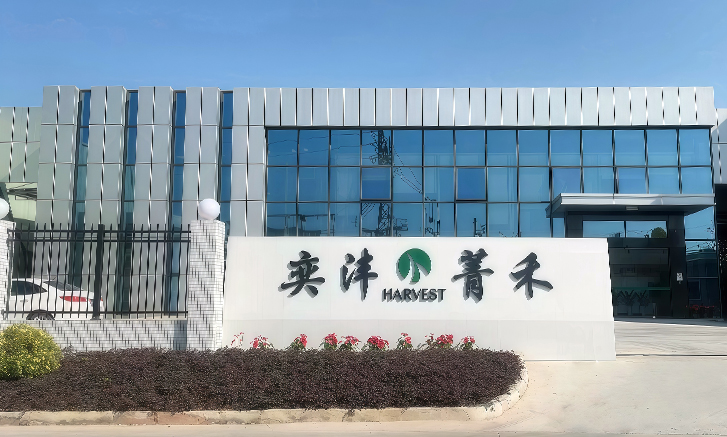
Founded in 2003, Harvest Group has grown from a food packaging manufacturer into a sustainable packaging solutions provider with multiple production bases in China and Taiwan. Foshan City Harvest Packaging Co., Ltd., located in Guangdong Province, serves as one of the group’s key manufacturing and service centers, supporting global customers with reliable, practical, and environmentally responsible food packaging solutions.
Over the past two decades, Harvest Packaging has continued to focus on the changing needs of the food service packaging industry. Our core product lines include pulp food packaging and kraft paper food packaging, covering pulp lunch boxes, bowls, trays, burger boxes, sushi boxes, soup cups, kraft paper trays, bowls, boxes, cups, salad boxes, sauce cups, and other food service packaging products. We also supply high quality plastic food containers to meet different catering, takeaway, retail, and food service needs.

How we work with our US and global partners to build resilient, sustainable, and high-performing packaging supply chains.
Guided by the business principles of integrity, compliance, and shared growth, Harvest Packaging is committed to building trustworthy and long term relationships with customers, partners, and suppliers. Our management philosophy emphasizes efficiency, innovation, collaboration, and service, enabling us to respond quickly to customer needs and continuously improve our products and operations.
We support stable supply, flexible customization, long term cooperation, and solutions tailored to different market requirements. Through consistent quality, responsible manufacturing, and responsive service, Harvest Packaging helps global customers build reliable packaging supply chains and meet both business and sustainability goals.
Our commitment to international safety standards, certified raw materials, and robust manufacturing protocols.


Browse our complete catalog of sustainable packaging solutions, fully optimized for the US food service sector.