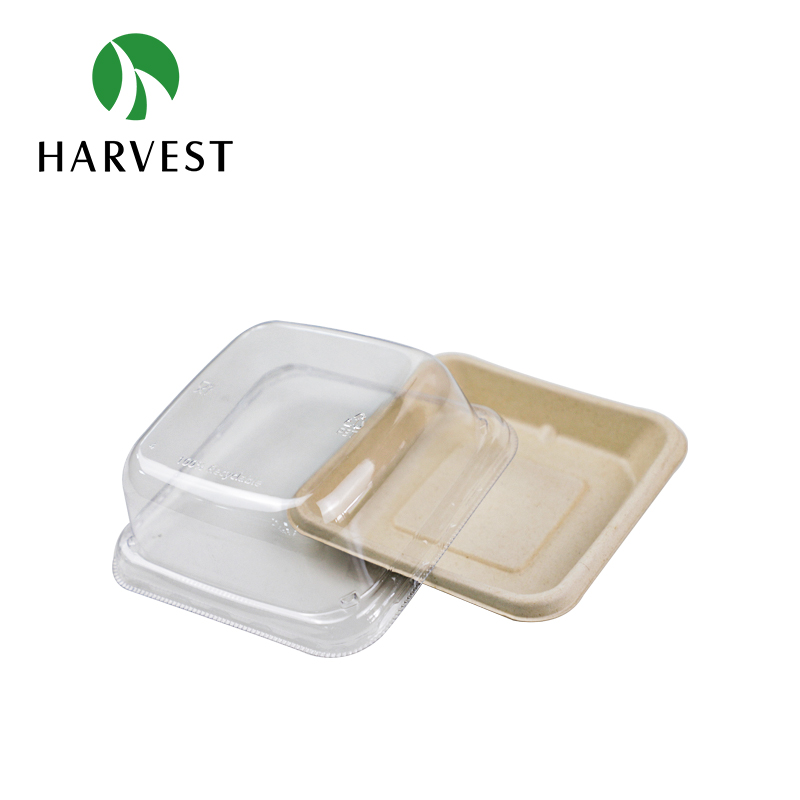
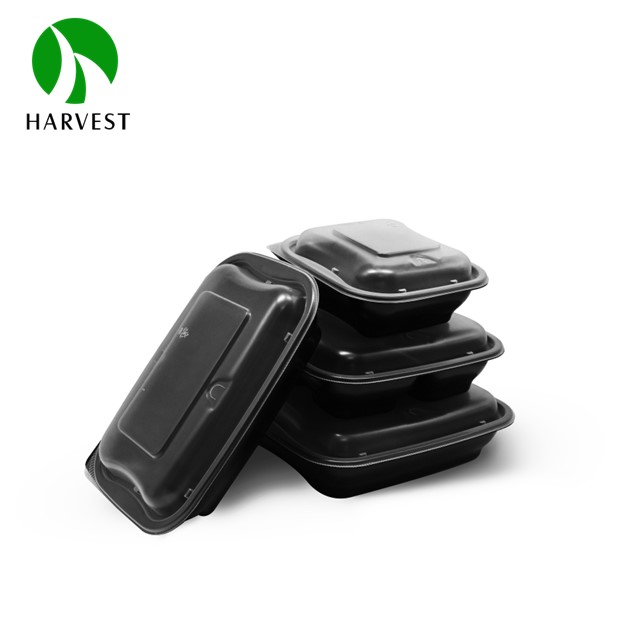
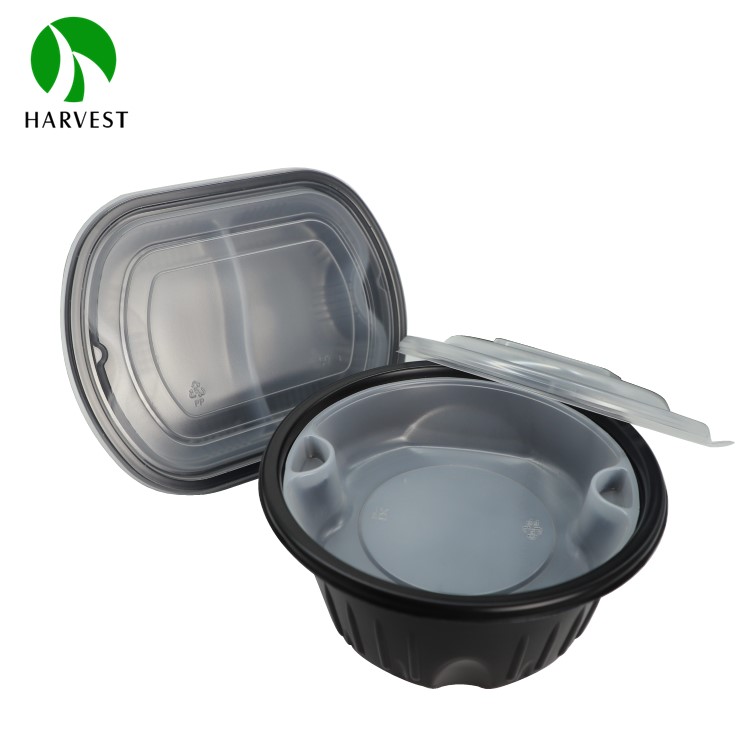
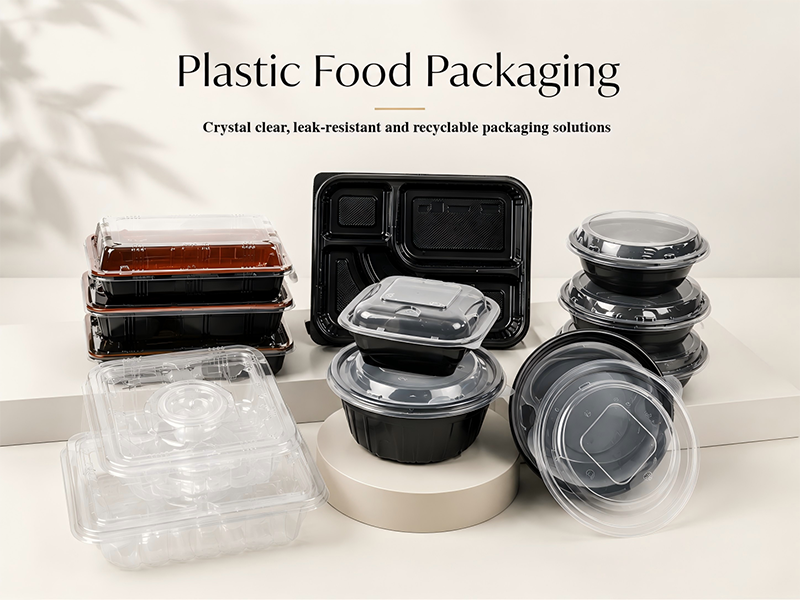
 Recyclable Plastic Food Packaging
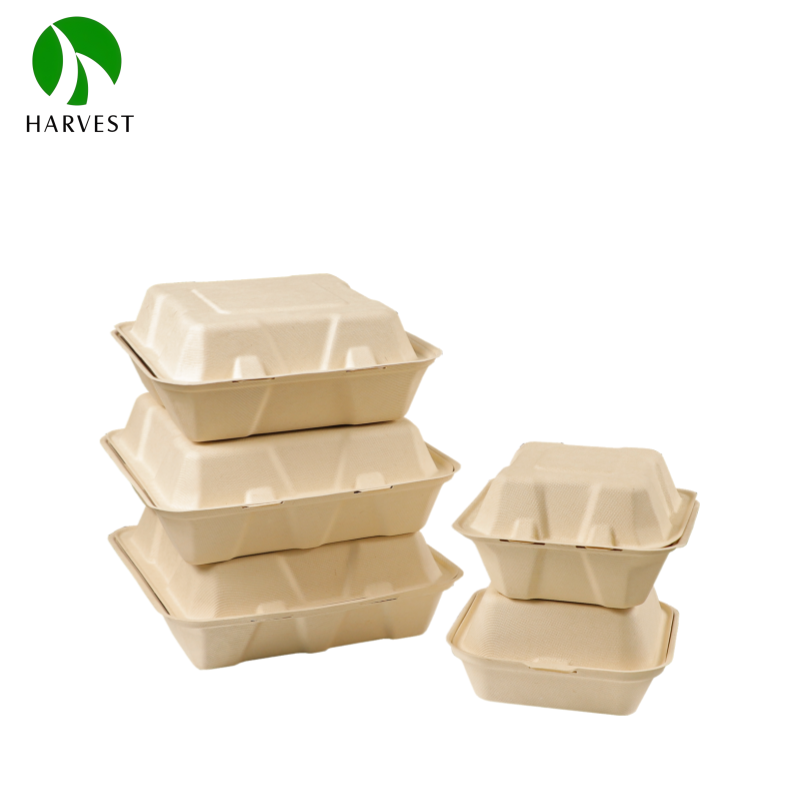
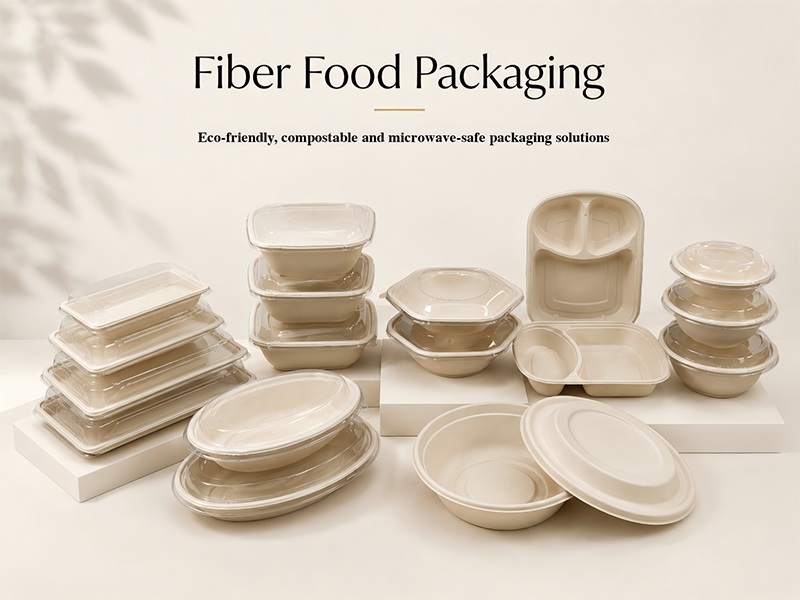 Compostable Fiber Food Packaging
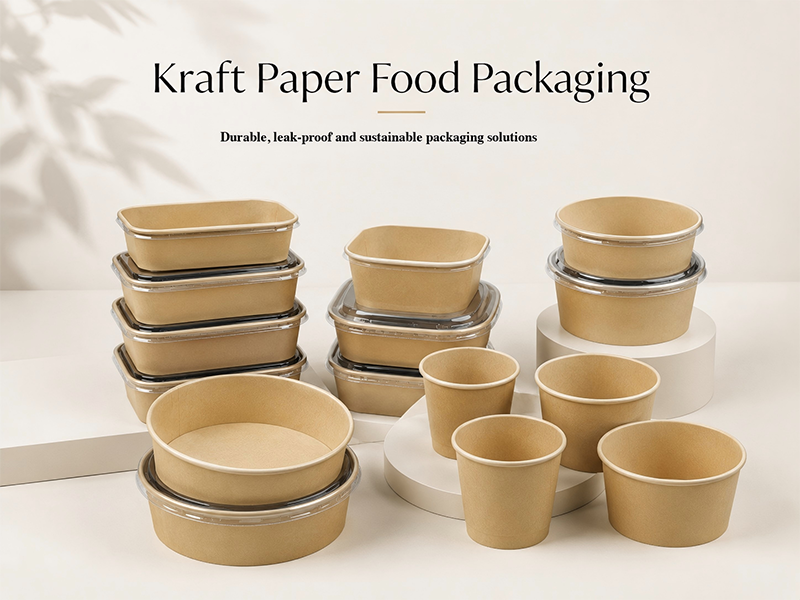 Recyclable Kraft Paper Food Packaging
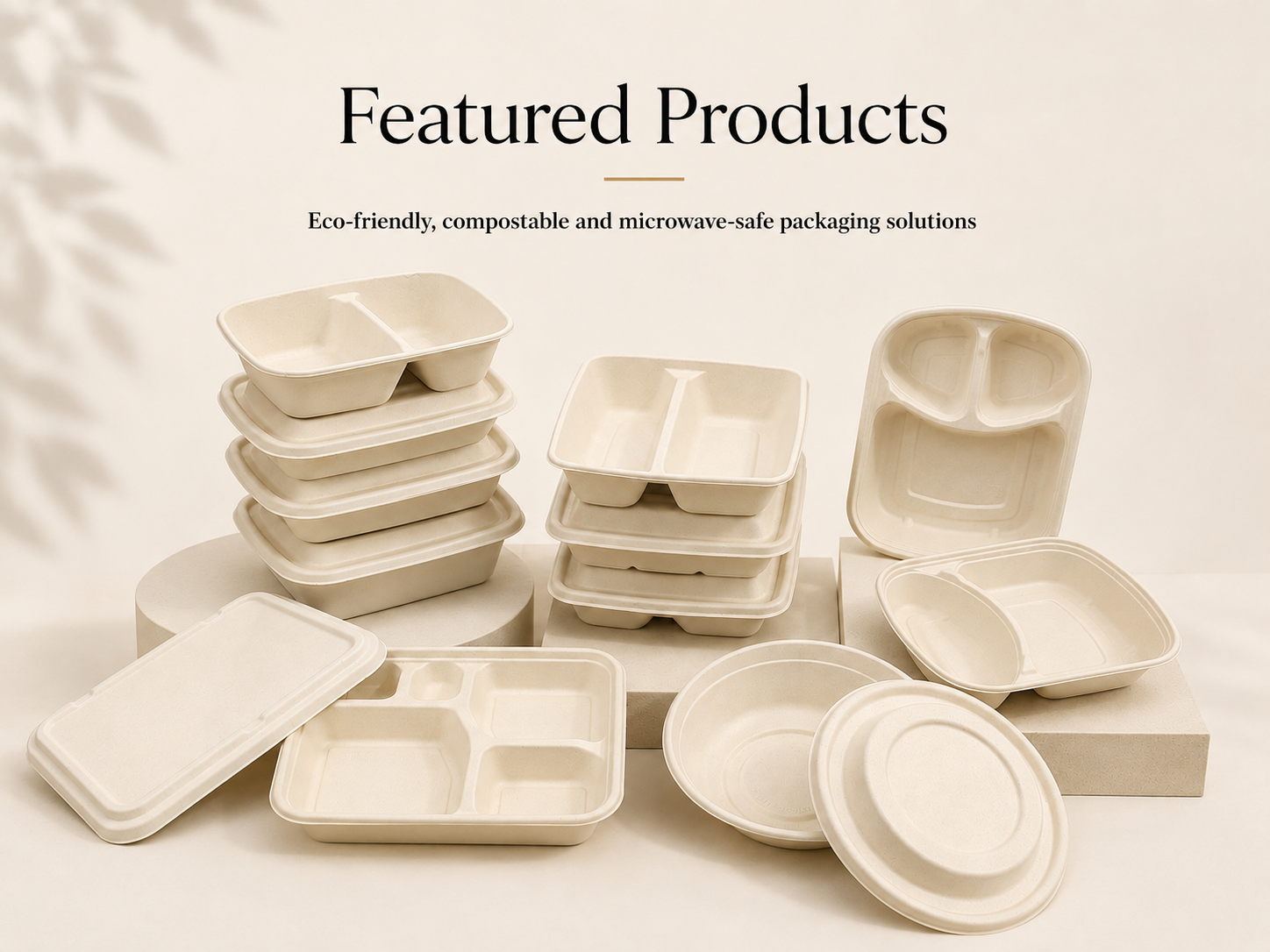 Featured Products
 +86 18024107061
- Home
- Products
- About Us
- Solutions
- News
- FAQ
- Contact Us
Leave Your Message
-
Contact Whatsapp
-
 Contact via email
High-performance sugarcane pulp and recyclable plastic containers designed to meet strict Japanese quality standards.
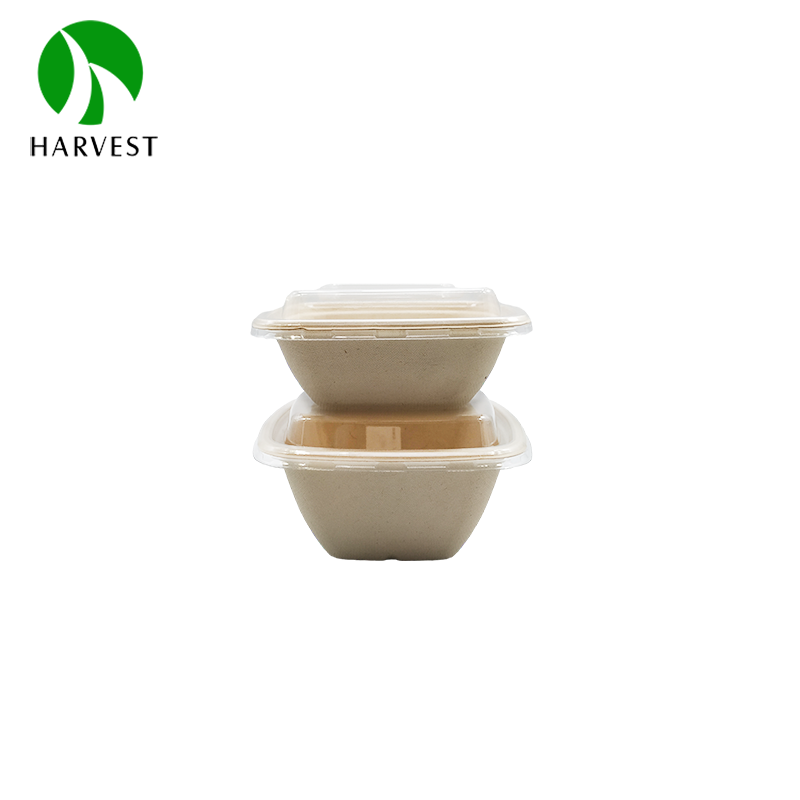
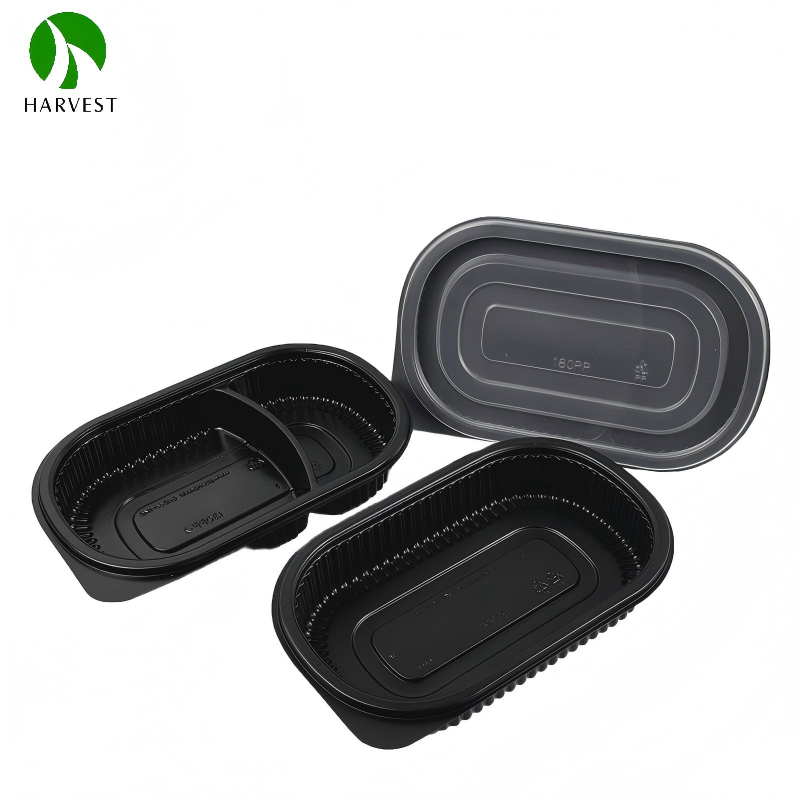
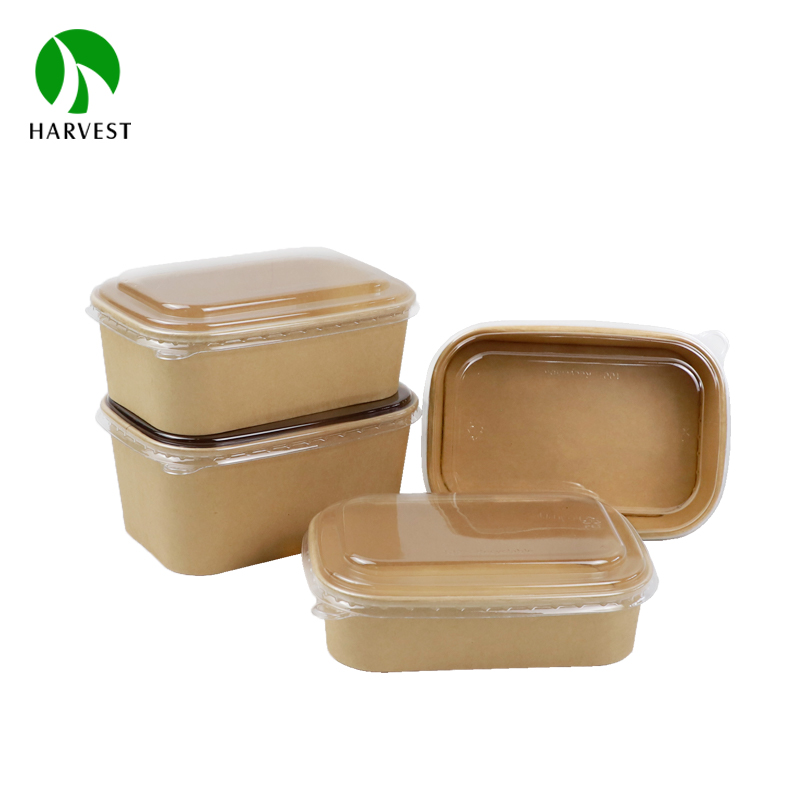
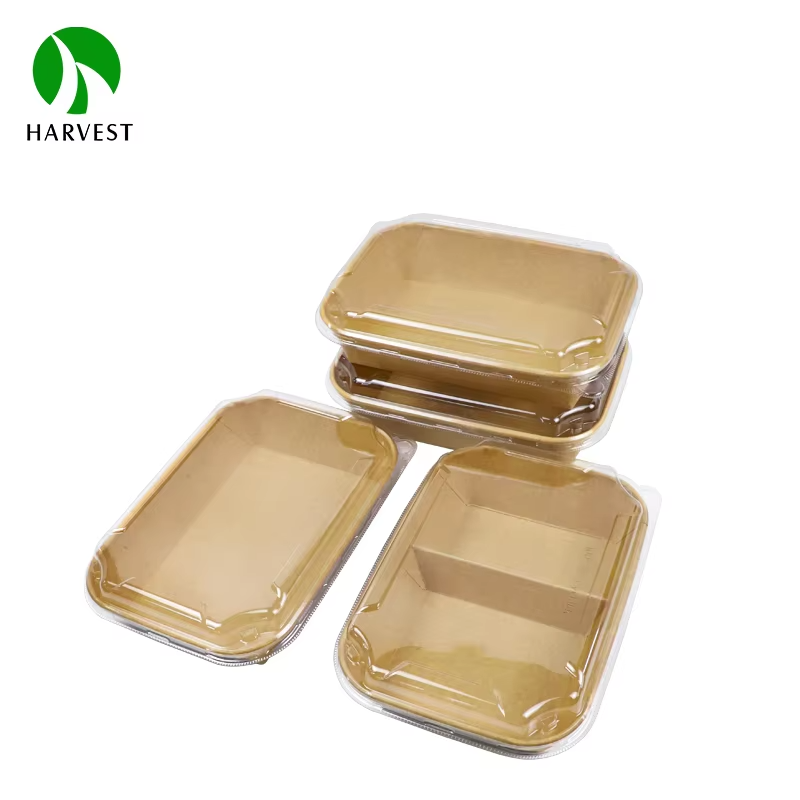
Japan boasts one of the most sophisticated food packaging markets in the world. Dominated by the cultural concept of "Nakashoku" (中食)—which refers to buying ready-to-eat meals to take home—the demand for high-quality, functional, and visually appealing take away boxes for food has grown exponentially. From convenience stores (Konbini) like 7-Eleven, Lawson, and FamilyMart to premium department store basements (Depachika) and traditional bento shops, food packaging in Japan is not just a container; it is an essential part of the gastronomic experience.
In recent years, changing lifestyle demographics, such as an increase in single-person households and working couples, have shifted consumption habits. Consumers seek convenience without compromising on quality. The rise of delivery platforms such as Uber Eats Japan, Demae-can, and Wolt has further accelerated this trend. Consequently, restaurants and food service providers require packaging that can withstand long delivery times, maintain temperature, prevent leakage, and preserve the aesthetic integrity of the dish.
With the implementation of the Act on Promotion of Resource Circulation for Plastics (プラスチック資源循環促進法) in April 2022, Japan has committed to a significant reduction in single-use plastic waste. The government, businesses, and consumers are actively seeking sustainable alternatives. This regulatory environment has made eco-friendly materials like sugarcane bagasse pulp, bamboo fiber, and FSC-certified kraft paper highly desirable in the packaging sector.
The Japanese cultural concept of "Mottainai" (too good to waste) aligns perfectly with the transition to biodegradable and compostable food boxes. Businesses that adopt tree-free pulp packaging or recyclable plastics project a strong corporate social responsibility (CSR) image, appealing to environmentally conscious Japanese consumers who value sustainable practices.
To successfully serve food businesses in Japan, take away boxes must be optimized for specific culinary applications:
Japanese buyers are known for having some of the strictest quality standards globally. Packaging must feature clean, smooth edges without burrs, uniform coloration, and precise lid-to-base fitment to prevent leaks during transit. Furthermore, materials must be certified safe for direct food contact under the Japanese Food Sanitation Act and international bodies such as the US FDA and EU SGS.
Founded in 2003, Harvest Group has grown from a food packaging manufacturer into a sustainable packaging solutions provider with multiple production bases in China and Taiwan. Foshan City Harvest Packaging Co., Ltd., located in Guangdong Province, serves as one of the group’s key manufacturing and service centers, supporting global customers with reliable, practical, and environmentally responsible food packaging solutions.
Over the past two decades, Harvest Packaging has continued to focus on the changing needs of the food service packaging industry. Our core product lines include pulp food packaging and kraft paper food packaging, covering pulp lunch boxes, bowls, trays, burger boxes, sushi boxes, soup cups, kraft paper trays, bowls, boxes, cups, salad boxes, sauce cups, and other food service packaging products. We also supply high quality plastic food containers to meet different catering, takeaway, retail, and food service needs.
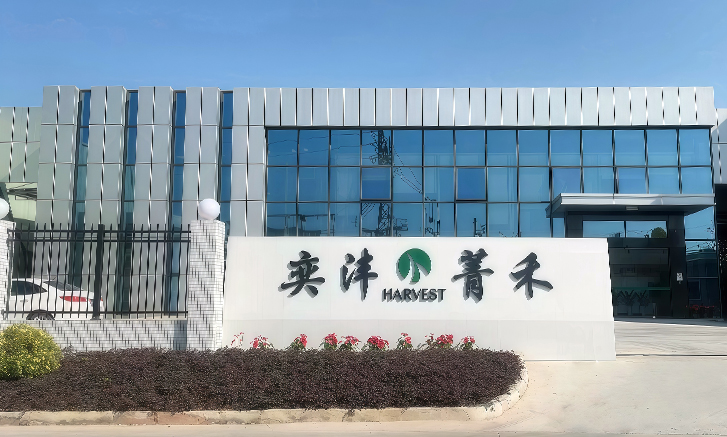

Aligning advanced production technology with global market compliance to serve corporate clients in Japan.
Guided by the business principles of integrity, compliance, and shared growth, Harvest Packaging is committed to building trustworthy and long term relationships with customers, partners, and suppliers. Our management philosophy emphasizes efficiency, innovation, collaboration, and service, enabling us to respond quickly to customer needs and continuously improve our products and operations.
We support stable supply, flexible customization, long term cooperation, and solutions tailored to different market requirements. Through consistent quality, responsible manufacturing, and responsive service, Harvest Packaging helps global customers build reliable packaging supply chains and meet both business and sustainability goals.
Ensuring our products meet the highest safety, hygiene, and environmental standards for import into Japan.

We provide a comprehensive range of high-quality consumer disposable tableware, covering an extensive selection of products including bowls, plates, trays, bento boxes, and other customized food service solutions to meet diverse market demands.

Our products are manufactured using 100% tree-free, eco-conscious raw materials such as sugarcane fiber and bamboo. These renewable resources are fully biodegradable, non-toxic, safe for direct food contact, recyclable, and sustainable, aligning with the global trend of green development and environmental protection.

All our products adhere to stringent international food contact safety standards and have acquired authoritative third-party certifications and comprehensive test reports. Our certifications include US FDA, EU SGS, QS, BPI, and ASTM certificates, demonstrating our unwavering commitment to product safety, quality control, and global market compliance.
Explore our complete range of biodegradable pulp, kraft paper, and recyclable plastic takeaway boxes designed for Japanese catering businesses.