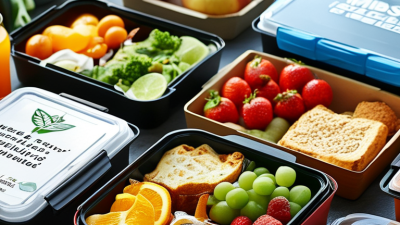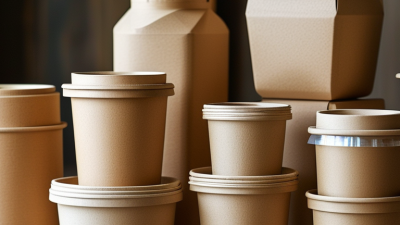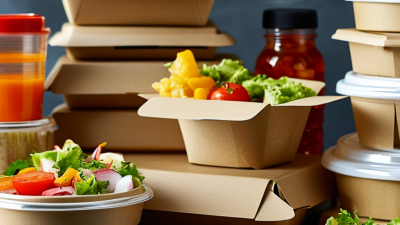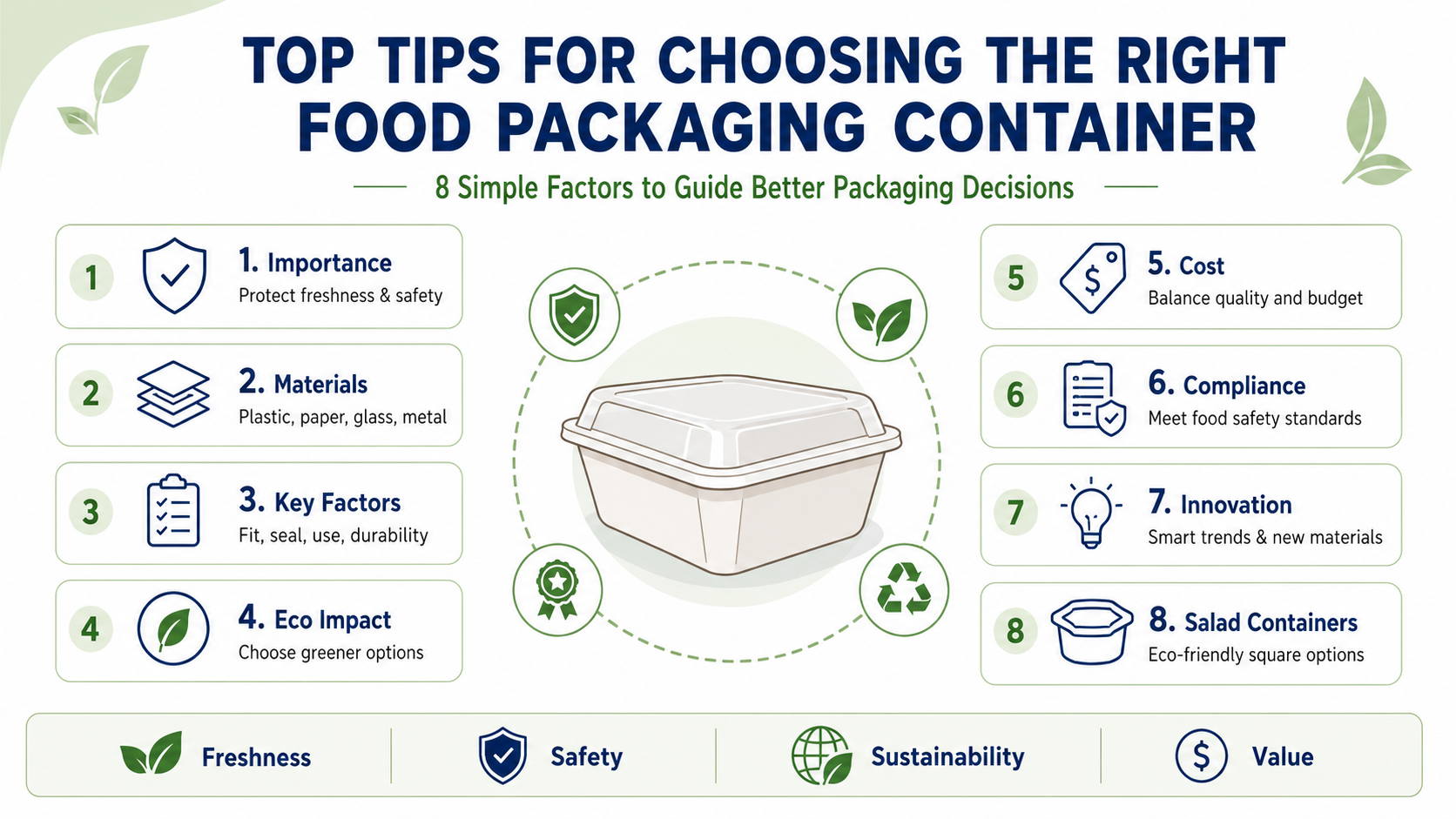
More and more, global food businesses are serving meals outside the dining room. The National Restaurant Association's 2024 State of the Restaurant Industry report calls off-premises dining a lasting consumer habit—not just a pandemic leftover. Delivery apps, office lunches, late-night pickups: they've all changed the way food travels.
That's where Takeout Containers come in. They help protect food quality on the go. A soup container has to stand up to heat and not leak. A salad box needs to be visible, ventilated, and roomy enough for toppings. These little details shape customer trust more than a lot of brands realize. And honestly? Small failures matter.
The UN Environment Programme's Food Waste Index Report 2024 estimated 1.05 billion tonnes of food were wasted in 2022. Better packaging can't solve food waste by itself. But it can cut down spills, contamination risks, and avoidable damage during transport. That distinction is worth paying attention to.
Smithers' food and beverage packaging research also shows ongoing demand for convenient, lightweight, and more sustainable formats. But 'sustainable' isn't the whole purchasing decision. You have to look at material sourcing, recycling access, barrier performance, and local regulations together. Compostable packaging may not work where industrial composting isn't available. Recycled content might need careful food-contact verification, too.
For global operators, Takeout Containers are operational tools—not just accessories. They help with portion control, branding, temperature management, and safer handling. The U.S. FDA and the European Food Safety Authority offer important food-contact safety frameworks, but requirements vary by market. Experienced buyers test containers with real meals, real travel times, and real customer feedback.
The best choice is rarely perfect. It's measurable, compliant, and practical.
Takeout Packaging is not merely a disposable container. In the global food-service value chain, it is the controlled interface connecting kitchens, couriers, customers, recyclers, and material suppliers. This interface carries food, heat, moisture, information, and risk. According to the FAO’s 2019 State of Food and Agriculture, 14% of food is lost between harvest and retail globally. Containers cannot solve food loss alone. However, accurate sizing, reliable sealing, and suitable ventilation can protect meal quality during short delivery windows. That is the first value-chain test.
At the service point, a container must match the menu, holding time, filling process, and local collection system. A soup vessel needs leak resistance. A fried-food pack needs vapor release. Otherwise, condensation softens the crust, while poor closure creates spills. UNEP’s Food Waste Index Report 2024 estimated 1.05 billion tonnes of food waste in 2022. The figure covers households, food service, and retail. Packaging is only one control point, not a cure. Materials also matter. Recyclability claims require local infrastructure, not attractive wording. Global buyers should check food-contact compliance, migration testing, temperature limits, and end-of-life routes. Some assumptions fail. A container that performs well in a laboratory may disappoint beside a motorbike, humid kitchen, or overloaded bin. That uncomfortable gap deserves measurement.
WHO estimates that contaminated food causes 600 million illnesses and 420,000 deaths each year. These figures come from its Estimates of the Global Burden of Foodborne Diseases report. For global food businesses, takeout containers are not simple serving tools. They protect food after cooking, during handling, and throughout delivery. A cracked lid, weak seal, or greasy surface can expose food to contamination. Small failures matter.
Codex Alimentarius recommends controlling hazards through hygienic practices and HACCP-based systems. The FDA Food Code 2022 advises holding cold foods at 5°C or below, and hot foods at 57°C or above. Containers should support these controls with suitable food-contact materials, secure closures, and practical ventilation. Eco Containers can help reduce unnecessary packaging waste, but environmental claims should not replace safety testing. Materials must resist heat, moisture, oils, and migration of unwanted substances. Local food-contact rules still apply.
Details become visible at the counter. A soup lid should remain sealed when tilted. A salad container should prevent dressing from leaking into a delivery bag. Vents may release steam without exposing food. These features support safer handling, yet they cannot correct poor hand hygiene or unsafe storage. We sometimes choose attractive packaging too quickly. That deserves review. A safer decision records temperature, material specifications, cleaning procedures, and delivery time before purchase.
| Safety Dimension | Verified Data or Requirement | Why It Matters for Takeout Containers | Practical Selection Criteria | Source |
|---|---|---|---|---|
| Global foodborne-illness burden | Approximately 600 million people—almost 1 in 10 worldwide—became ill after consuming contaminated food in the WHO’s global 2010 estimates. | Food safety must be protected beyond the kitchen, including filling, sealing, transport, and consumption. | Use containers with secure closures, clean handling procedures, and clear separation between cooked food and external contamination. | WHO |
| Deaths linked to unsafe food | An estimated 420,000 people died from foodborne diseases globally in 2010. | Packaging is one control point in a wider food-safety system and should help prevent leakage, contamination, and mishandling. | Prioritize food-contact compliance, tamper evidence where appropriate, and reliable lid-to-container fit. | WHO Estimates |
| Children under five | Children under five account for approximately 40% of the foodborne-disease burden and about 125,000 related deaths each year, according to WHO estimates. | Vulnerable consumers require especially careful temperature control, hygiene, and protection from cross-contamination. | Choose smooth, cleanable surfaces and containers suitable for the intended food and distribution conditions. | WHO |
| Foodborne hazards | WHO’s estimates cover 31 biological, chemical, and parasitic foodborne hazards. | A container cannot control every hazard, but appropriate materials and use can reduce physical contamination, leakage, and certain chemical or microbial risks. | Verify food-contact suitability, intended temperature range, chemical compatibility, and resistance to cracking or deformation. | WHO Estimates |
| Cold-holding benchmark | The U.S. FDA Food Code uses 41°F (5°C) or below for cold-held time/temperature-control-for-safety food. | Containers should support, not replace, refrigerated storage and temperature monitoring during delivery. | Select containers that remain stable at the intended refrigeration temperature and do not permit liquid leakage. | FDA Food Code 2022 |
| Hot-holding benchmark | The U.S. FDA Food Code uses 135°F (57°C) or above for hot-held time/temperature-control-for-safety food. | Insulation and ventilation can influence serving quality, but they do not guarantee that food remains at a safe temperature. | Confirm heat tolerance, lid performance, condensation management, and compatibility with the food’s moisture and fat content. | FDA Food Code 2022 |
| Time outside temperature control | The FDA Food Code generally limits cumulative time in the danger zone to four hours when using time as a public-health control, subject to documented procedures and local requirements. | Packaging decisions should fit the planned preparation, dispatch, delivery, and consumption timeline. | Use dispatch-time labels, delivery controls, and container designs that minimize spills and preserve food quality during the approved holding period. | FDA Food Code 2022 |
| Preventing cross-contamination | WHO’s “Five Keys to Safer Food” include keeping clean and separating raw from cooked food. | Separate compartments or individually sealed containers can help maintain food separation during packing and transport. | Use dedicated packaging formats for raw, ready-to-eat, allergen-sensitive, wet, and dry foods as required by the operation. | WHO Five Keys |
| Food-contact materials | Food-contact packaging should comply with the applicable food-contact-material rules in the destination market; requirements are not identical worldwide. | Material compliance helps limit the migration of substances into food when packaging is used as intended. | Request declarations of compliance, migration information, intended-use limits, and evidence for hot, acidic, oily, or frozen foods. | Codex Alimentarius |
| Traceability and handling | Codex food-hygiene principles emphasize hygienic practices, communication, and control across the food chain. | Consistent container identification and handling can support recall readiness and operational accountability. | Use lot or date coding where appropriate, documented packing procedures, and packaging inspections before dispatch. | Codex Alimentarius |
UNEP’s Food Waste Index Report 2024 estimates that 1.05 billion tonnes of food were wasted in 2022. Much of this waste occurred in homes, food service, and retail. Packaging cannot repair poor forecasting or oversized portions. Yet it can protect meals during delivery, storage, and handling. A crushed rice bowl or leaking soup may become waste before anyone eats it.
For global food businesses, Paper Containers can support a more controlled takeout process. Their shape can separate sauces, protect fragile foods, and guide practical serving sizes. Proper ventilation helps fried foods stay crisp instead of turning wet. Strong paperboard also reduces spills when staff stack containers during busy delivery periods. Material selection still requires care. A grease barrier, lid fit, and local recycling rules can change the environmental result. Paper is not automatically sustainable.
Experienced operators should test containers with real meals, not empty samples. They can check heat, condensation, carrying time, and leftovers after thirty minutes. UNEP’s findings make this testing more urgent, but the evidence does not support one universal package. Some coatings complicate recycling. Some paper formats fail with oily food. That is uncomfortable. A better choice may involve smaller portions, clearer storage instructions, and containers sized to each meal. Progress can be uneven, so businesses should measure damaged orders, returned food, and local recovery options before changing systems.
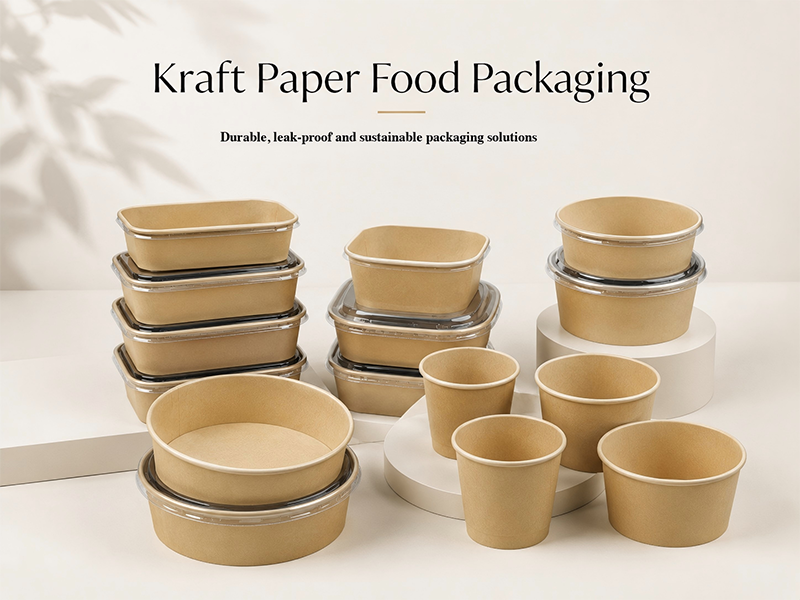
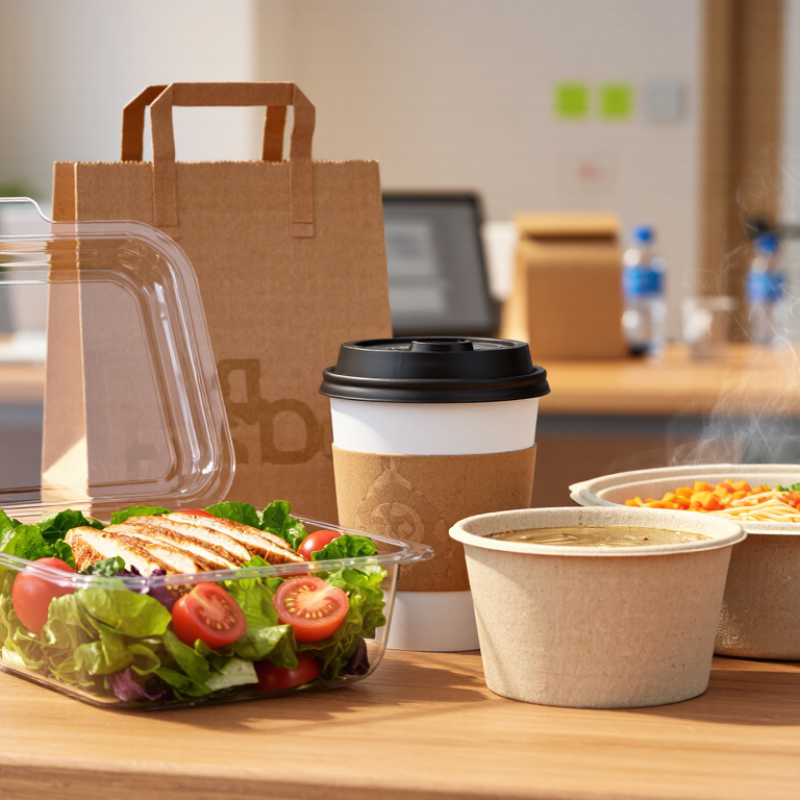
Global food businesses need containers that match menus, delivery routes, and local disposal systems. Kraft Containers suit sandwiches, pastries, and dry meals because they feel sturdy and presentable. A paper lid can soften beside hot noodles, however. Real-world trials matter more than attractive specifications. Place a filled container under steam for thirty minutes. Check leaks, warping, and stacking pressure before committing.
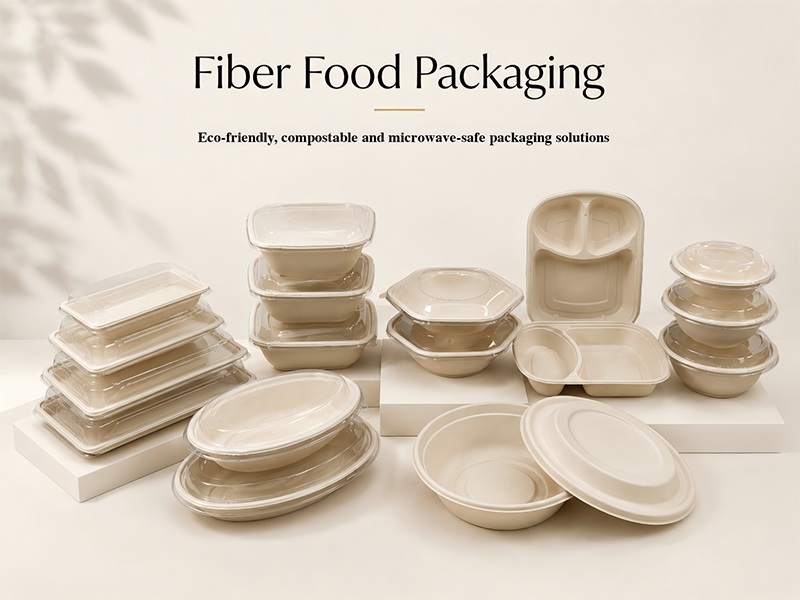
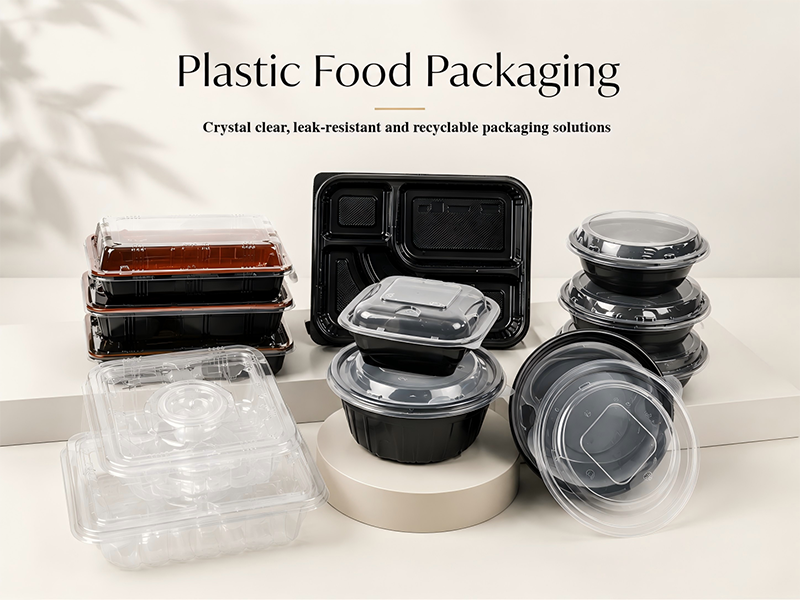
Plastic containers offer strong moisture resistance and clear product visibility. They work well for soups, sauces, and chilled foods, but recycling access differs widely between regions. Bagasse containers handle warm meals and provide a plant-fiber appearance. They can absorb oils over time, especially with fried food. In humid storage rooms, their texture may also change. These details can affect customer experience and warehouse waste.
Reusable systems reduce single-use volume when collection, washing, and return rates remain reliable. They need transport space, cleaning controls, and simple deposit procedures. A container that travels 200 kilometers for washing may create an unexpected environmental burden. Paper, plastic, bagasse, and reusable options should be tested against portion size, temperature, storage time, and local recovery infrastructure. I once assumed one material would fit every menu. It did not. A mixed system may perform better, though it requires clearer staff training and more careful purchasing records.
Takeout containers should match the food, journey, and service environment. A steaming curry needs heat-resistant packaging that stays firm near 90°C. However, excessive heat can soften some materials or distort lids. Soups also demand secure seals and leak testing. A small gap can ruin a paper bag, delivery seat, or customer’s table.
In food-service trials, I check filled containers after shaking, tilting, and thirty minutes of transport. The result often differs from an empty-container inspection.
Stacking matters when orders wait on crowded counters or move through delivery vehicles. Containers with stable corners reduce sliding and crushed lids. Yet overly rigid shapes may waste storage space. That trade-off deserves attention.
Choose sizes that fit common meals without leaving excessive headroom. Test rice, sauces, fried foods, and mixed dishes separately. Oil can travel differently from water. A package that performs well with noodles may fail with oily roasted vegetables.
Tips: Match the lid to the container, not just the diameter. Test leakage after sealing warm food. Leave room for expansion, but avoid unnecessary air. Label handling instructions clearly. Review failures honestly, including dented corners and softened bases. No option is perfect. Reliable packaging comes from repeated testing, practical observation, and adjustments based on real delivery conditions.
Why Choose Takeout Containers for Global Food Businesses?
Evaluate Costs, Supply Chains, and Regional Food-Contact Regulations
Takeout containers are not simply low-cost packaging. They affect freight, labor, shelf life, and customer safety. In procurement reviews, I compare the delivered cost, not only the unit price. A lightweight container may reduce transport emissions and pallet space. However, weak lids can increase leakage, refunds, and wasted meals. That assumption is often wrong.
Supply reliability also matters. The OECD’s Global Plastics Outlook reported 353 million tonnes of plastic waste in 2019. Packaging represented about 40% of that total. This finding makes material reduction commercially relevant, not merely environmental. Buyers should request recycled-content evidence, migration testing, and consistent specifications. A cheaper material is risky when one resin shortage stops production. Dual sourcing can protect supply, although it may increase quality-control work.
Food-contact rules differ by market. European operations must consider Regulation (EC) No. 1935/2004 and plastic-specific Regulation (EU) No. 10/2011. United States suppliers commonly verify compliance with applicable FDA food-contact requirements. China uses the GB 4806 food-contact standards, including general safety requirements. These systems are not interchangeable. A container approved for hot soup in one region may need additional testing elsewhere. Temperature, fatty foods, microwave use, and ink placement all require documented review. Testing costs money. Skipping it costs more. Reusable systems can also appear attractive, but washing capacity, water use, and return rates may weaken their economics. Procurement teams should revisit these assumptions quarterly, because regulations and supply conditions keep changing.
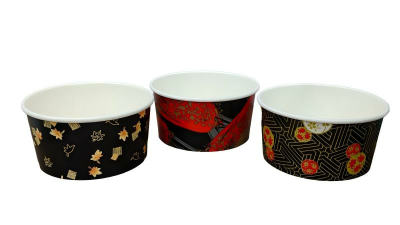
Custom printed disposable containers can transform a simple salad into a more appealing takeaway experience. The KR Round Bowl Series combines a practical round shape with vibrant surface designs, helping salads, poke bowls, rice dishes, and noodles look more organized and appetizing. Maple Leaf, Cherry Blossom, and Red Gold patterns add visual character to food presentation, while custom printing allows restaurants and caterers to create packaging that reflects their preferred style.
Made from PE-coated kraft paper, these containers provide dependable resistance to leaks and grease during transport and serving. Their sturdy construction helps protect ingredients while maintaining a clean appearance, making them suitable for takeaway counters, delivery orders, buffets, and other food service settings. The round format also offers a generous opening, allowing colorful vegetables, grains, proteins, and toppings to remain visible instead of being hidden inside conventional packaging.
Available in sizes from 500ml to 1000ml, the series can accommodate individual salads, hearty meal bowls, and larger prepared portions. Custom-printed surfaces provide additional space for decorative artwork, seasonal themes, or personalized packaging concepts, creating a more distinctive presentation without sacrificing convenience.
An estimated 1.05 billion tonnes of food were wasted in 2022. Waste occurred in homes, food service, and retail. Packaging helps, but cannot fix poor forecasting or oversized portions.
They can protect meals during storage, handling, and delivery. Separate compartments may keep sauce away from rice. A crushed bowl or leaking soup can become uneaten waste.
No. Paper is not automatically sustainable. Grease barriers, coatings, lid design, and local recycling rules affect the result. Simple claims can be misleading.
Test soups, curry, fried foods, rice, noodles, and oily vegetables separately. Water and oil behave differently. One package may pass with noodles and fail with roasted vegetables.
A steaming curry may require packaging that stays firm near 90°C. Excessive heat can soften materials or distort lids. Heat performance needs real-food testing.
Seal warm food, then shake and tilt the filled container. Inspect it after thirty minutes. A tiny lid gap can stain a bag or table.
Stable corners can reduce sliding and crushed lids on crowded counters. Very rigid shapes may occupy too much storage space. That trade-off is easy to overlook.
Track damaged orders, returned food, softened bases, dented corners, and local recovery options. Test filled containers, not empty samples. Results may be uneven.
Takeout Containers are a key part of the global food-service value chain, connecting kitchens, delivery operations, retailers, and consumers. Their design must support food safety, portion control, transport, and convenient consumption. With the WHO estimating hundreds of millions of foodborne illness cases each year, businesses need packaging that protects food from contamination, maintains suitable temperatures, and complies with food-contact requirements.
Packaging also influences sustainability and operating costs, especially as UNEP reports that approximately 1.05 billion tonnes of food are wasted annually. Paper, plastic, bagasse, and reusable systems each offer different advantages in durability, insulation, recyclability, and resource use. The best choice depends on the menu and delivery conditions, including heat resistance, leak prevention, stacking stability, and travel distance. Businesses should also assess total costs, supplier reliability, regional regulations, disposal infrastructure, and customer expectations before selecting a container system.