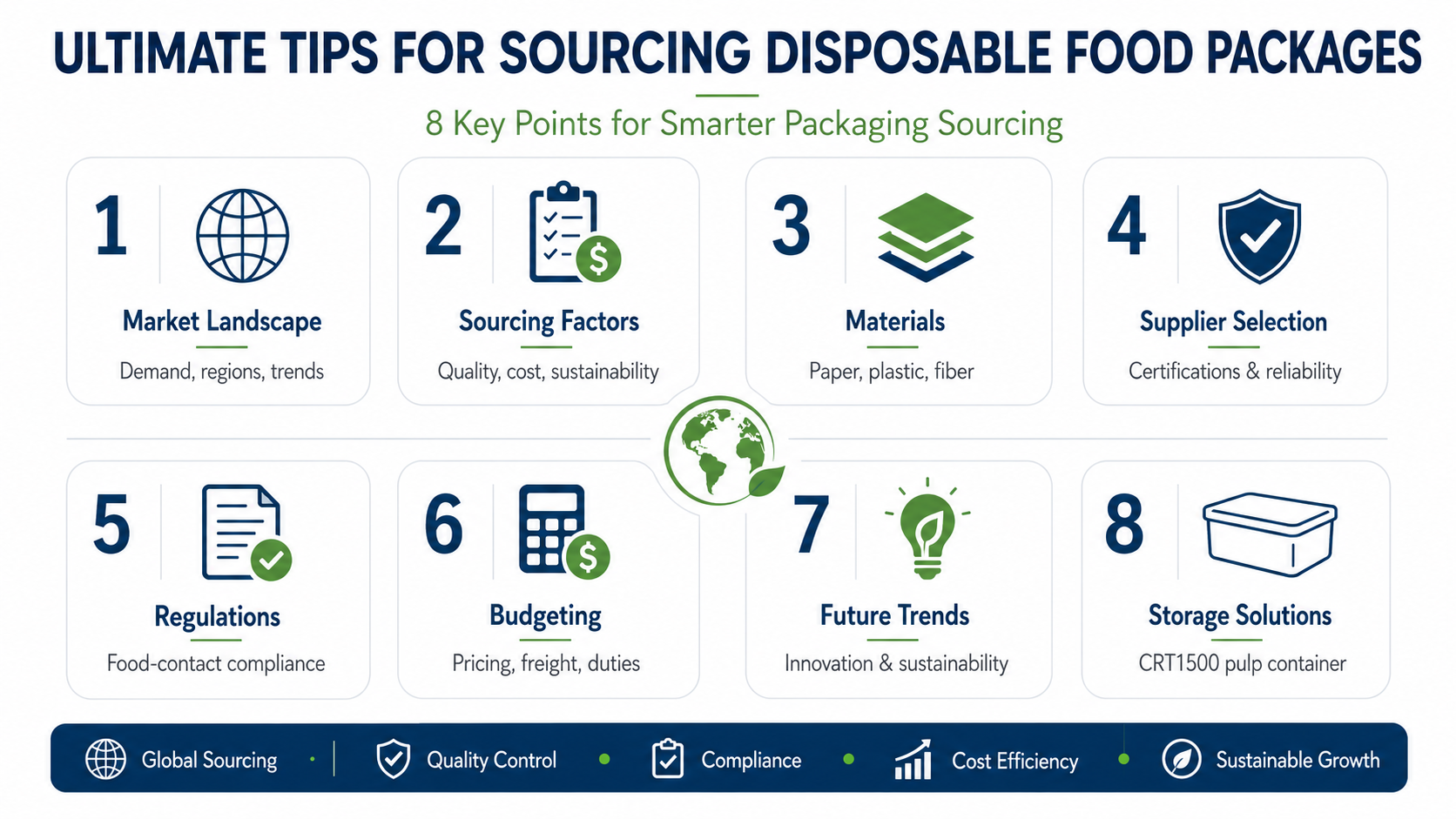
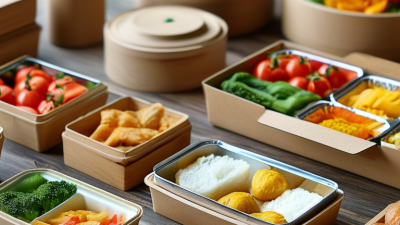
With everything moving so quickly in the world of sustainability, it's no surprise that demand for eco-friendly packaging has really taken off. I mean, as someone who's been in the field, Dr. Emily Johnson, who's pretty much an expert on sustainable packaging, points out that choosing the right Paper Containers can make a big difference when it comes to cutting down environmental impact. It honestly highlights just how crucial it is to pick good suppliers in the paper container industry.
Today, loads of companies are jumping on this eco-friendly bandwagon, offering all kinds of innovative and sustainable options. From biodegradables to custom designs—there’s so much out there, it can be pretty overwhelming. But trust me, choosing the right suppliers is key if your business wants to boost its eco-friendly reputation.
That said, not all suppliers are equal. Some promise the world but don’t quite deliver, whether it’s quality or sustainability. So, it’s super important to do your homework and partner up with reliable folks who really mean it. That way, you’re more likely to end up with high-quality Paper Containers that actually do good for the environment—and that’s the goal, right?
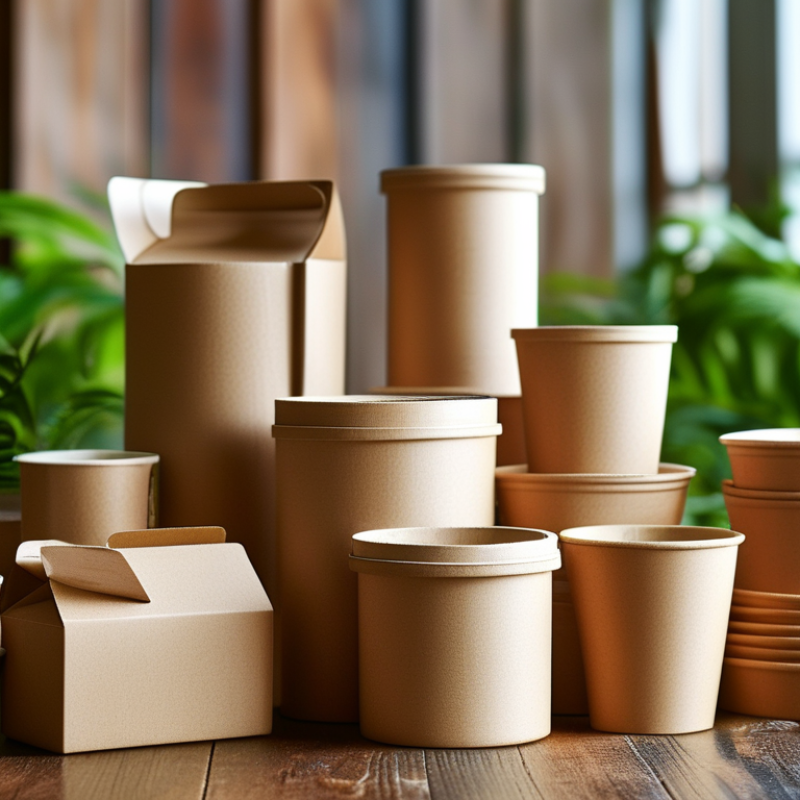
Overview of Paper Containers and Their Importance in Packaging
Paper containers play a pivotal role in the packaging industry. They are lightweight, biodegradable, and can be customized to suit various products. From food items to retail goods, their versatility is unmatched. Many businesses are shifting towards paper containers in response to consumer demand for sustainable packaging. This change reflects a growing awareness of environmental issues.
The importance of paper containers extends beyond eco-friendliness. They offer excellent barrier properties that keep products fresh while being aesthetically appealing. A well-designed container enhances brand image and engages consumers. However, the quality of paper used in production can vary. It's crucial to rely on reputable suppliers to ensure the materials meet industry standards.
Despite the advantages, challenges exist in using paper containers. For instance, they may not provide the same durability as plastic options. In some cases, moisture can compromise their integrity. Businesses must assess their specific needs when choosing between materials. Balancing sustainability and functionality is vital for long-term success.
Top 10 Paper Containers Suppliers You Should Consider
| Supplier Type |
Container Type |
Sustainability Rating |
Country of Origin |
Annual Revenue (approx.) |
| Manufacturing |
Kraft Paper Boxes |
A+ |
USA |
$50M |
| Distributors |
Paper Bags |
A |
Germany |
$35M |
| Manufacturing |
Takeaway Containers |
B+ |
Japan |
$60M |
| Retail |
Cardboard Containers |
A |
Canada |
$45M |
| Manufacturing |
Pizza Boxes |
A+ |
Italy |
$70M |
| Manufacturing |
Food Containers |
B |
Australia |
$30M |
| Distributors |
Custom Paper Products |
A |
France |
$25M |
| Manufacturing |
Gift Boxes |
B+ |
Netherlands |
$50M |
| Manufacturing |
Beverage Containers |
A |
Sweden |
$55M |
| Retail |
Shipping Containers |
B |
UK |
$40M |
Criteria for Selecting a Reliable Paper Container Supplier
When selecting a reliable paper container supplier, experience matters. The market for paper packaging is projected to reach $400 billion by 2025. Many suppliers lack the industry knowledge to meet today's demands. Companies should look for suppliers with a proven track record in sustainability and innovation. Suppliers should offer environmentally friendly options that comply with regulations.
Assessing a supplier's certifications is crucial. A supplier without recognized certifications may compromise quality. According to studies, 63% of consumers prefer brands that use sustainable packaging. Reliability is also essential; suppliers must ensure consistent delivery and product quality. Potential discrepancies in production capabilities should also be evaluated. Suppliers must demonstrate the ability to scale production in response to demand.
Customer service cannot be overlooked. Engaging communication is vital when issues arise. Lack of responsiveness can lead to significant setbacks. Transparency in pricing and policies can reveal a supplier’s trustworthiness. Choosing a supplier is a long-term commitment; this decision should not be rushed. Reflecting on these criteria will help businesses avoid common pitfalls in their supply chain.
Top 10 Paper Container Suppliers: A Comprehensive List
When sourcing paper containers, quality and sustainability should be your top priorities. Several suppliers excel in providing eco-friendly options that meet industry standards. Assessing their experience can help in determining reliability. Look for suppliers with certifications in environmental practices, which is a hallmark of professionalism.
Choosing the right Containers Paper supplier is crucial for your business. Evaluate their product range to ensure it meets your specific needs. Some suppliers offer customizable options, which can be beneficial for branding. Always pay attention to customer reviews. They reflect real-world experiences and satisfaction levels.
Begin by requesting samples from potential suppliers. This ensures your product expectations align with what they provide. Inquire about their sourcing materials to gauge transparency. A supplier's willingness to share this information often indicates their reliability and commitment to quality.
Supplier Profiles: Highlights of Each Top Paper Container Provider
In the sustainable packaging industry, paper containers have gained prominence due to their eco-friendly materials. Reports show that the global paper container market is expected to surpass $21 billion by 2026. This growth highlights a significant shift toward sustainable practices among businesses.
Several suppliers stand out in the market due to their innovative designs and commitment to quality. Many use water-based inks and biodegradable adhesives. This approach reduces harmful chemicals in production. A recent industry analysis indicated that about 72% of consumers prefer brands offering sustainable packaging options. This trend underscores the importance of Paper Box Containers.
However, not all suppliers meet these standards consistently. Some companies struggle with quality control, leading to issues in product integrity. Diverse manufacturing processes can cause variations in thickness and durability. An effective supplier should prioritize quality assurance while committing to sustainable practices. Companies might consider evaluating supplier reliability through certifications and customer feedback. This ensures they choose the right partner for their packaging needs.
Top 10 Paper Container Suppliers Performance Comparison
Sustainability Practices Among Leading Paper Container Suppliers
Sustainability is at the forefront of the packaging industry. More leading suppliers of paper containers adopt eco-friendly practices to meet rising consumer demand. According to a study by Smithers Pira, the global market for sustainable packaging is expected to reach $500 billion by 2026. This growth drives brands to innovate while minimizing their environmental footprint.
Many suppliers focus on using recycled materials. The recycling rate of paper and cardboard in the U.S. was approximately 68% in 2020, as reported by the EPA. However, challenges remain. Not all paper products are recyclable due to contamination or blends with non-paper materials. Suppliers face pressure to design containers that are both functional and circular in nature.
Additionally, water and energy consumption during production is under scrutiny. A significant portion of the carbon footprint in paper production occurs in the manufacturing phase. Striking a balance between efficiency and sustainability is ongoing. More companies invest in renewable energy sources, yet the transition is gradual. Industry practices need constant evaluation to ensure they align with environmental goals. This dynamic landscape requires suppliers to be both proactive and transparent, adjusting to the needs of a more eco-conscious market.
Comparative Analysis of Paper Container Supplier Pricing and Quality
When choosing a supplier for paper containers, pricing and quality are pivotal factors. Buyers need to analyze how various suppliers set their prices. Some vendors advertise low rates but compromise on material quality. The essence of a paper container lies in its sturdiness and environmental friendliness. A lower price might hint at the use of subpar raw materials, which affects product durability.
Quality assessments should include factors like thickness, weight, and durability. Recycled materials can offer a sustainable option but vary dramatically in strength. Many suppliers do not disclose their production methods, making it hard to gauge reliability. Regular third-party testing can help validate claims about materials. Without transparency, consumers may face disappointing results when using these Paper Food Containers.
Customer feedback is crucial in this sector. Reviews can reveal patterns in service and product satisfaction. However, the online landscape is filled with reviews of varying reliability. Some businesses inflate their ratings, while genuine customers might leave biased comments based on personal experiences. Careful scrutiny is needed. An informed decision involves balancing competitive pricing with proven quality to find the ideal supplier for paper containers.
Future Trends in the Paper Container Industry and Supplier Landscape
The paper container industry is evolving rapidly, influenced by sustainability and innovation trends. In 2022, the global paper container market reached approximately $20 billion, and it is projected to grow at a CAGR of 4.5% through 2030. Businesses are increasingly adopting eco-friendly materials, responding to consumer demand for sustainable packaging. Many suppliers are investing in biodegradable options, reflecting a broader shift in the industry.
What's intriguing is the rise of smaller suppliers that prioritize eco-conscious production. Their commitment could reshape the market dynamics. Large corporations often dominate, yet smaller players offer unique solutions. The challenge lies in balancing scalability and sustainability. Not every supplier has achieved this balance, which raises questions about the reliability of their products. Customers must do their research before committing to any supplier for Takeaway Paper Containers.
Emerging technologies also play a crucial role. Innovations in manufacturing and design could lead to better performance and functionality. However, these advancements come with risks. It’s important to evaluate their long-term sustainability. The competitive landscape will likely become more complex as new entrants emerge. Close attention to market trends and supplier capabilities will be essential.
The future of paper containers may hold unexpected surprises as the industry continues to shift toward more responsible practices.
FAQS
: Paper containers are lightweight, biodegradable, and customizable. They are versatile for various products.
They reduce plastic waste and reflect consumer demand for sustainable options. Their eco-friendliness is crucial today.
Paper containers may lack durability compared to plastic. Moisture can also affect their quality and integrity.
Companies should work with reputable suppliers. Quality assurance and adherence to standards are essential for success.
The market is growing, expected to reach over $21 billion by 2026. Sustainable practices are becoming a priority.
Smaller suppliers often focus on eco-conscious production. They can offer unique solutions and foster innovation.
Not all suppliers maintain consistent quality. Researching their reputation and customer feedback is vital before choosing one.
Innovations improve performance but pose sustainability risks. Businesses should balance technological advances with environmental impact.
They need to assess product needs versus sustainability. This decision affects long-term success and customer satisfaction.
About 72% of consumers prefer sustainable packaging. This demand drives businesses to adopt more eco-friendly materials.
Conclusion
This article provides a comprehensive overview of paper containers, emphasizing their growing importance in sustainable packaging solutions. It discusses key criteria for selecting reliable paper container suppliers, guiding businesses to make informed choices based on quality and sustainability practices. The piece also highlights a carefully curated list of the top ten suppliers, offering insights into their strengths and unique offerings.
In addition to supplier profiles, the article examines pricing structures and quality comparisons among leading providers in the paper container industry. It concludes with an exploration of future trends, outlining how the evolving landscape will shape the demand and innovations within the paper container market. Overall, this summary serves as a valuable resource for businesses looking to adopt more environmentally friendly packaging solutions.
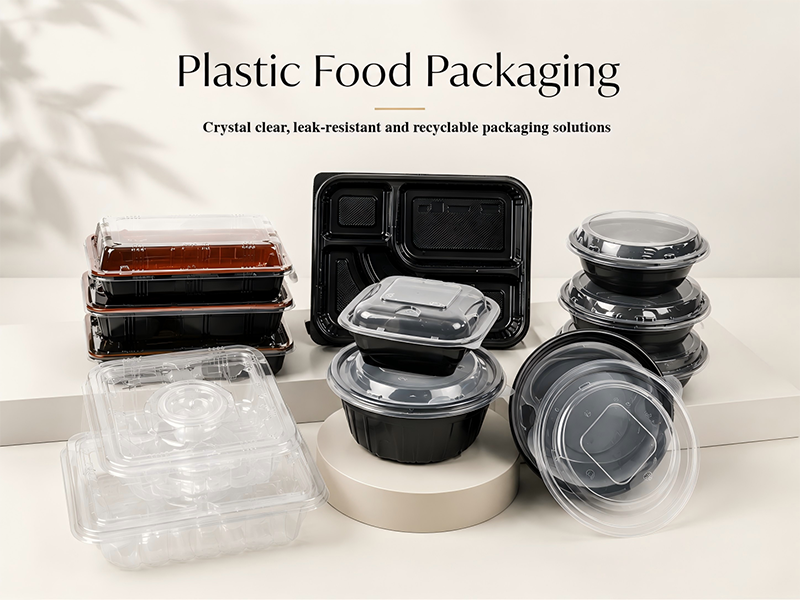 Recyclable Plastic Food Packaging
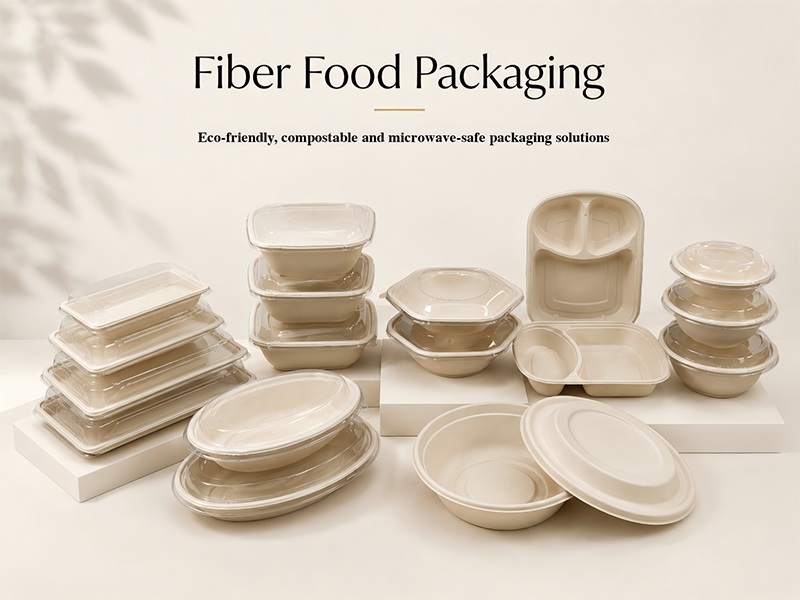 Compostable Fiber Food Packaging
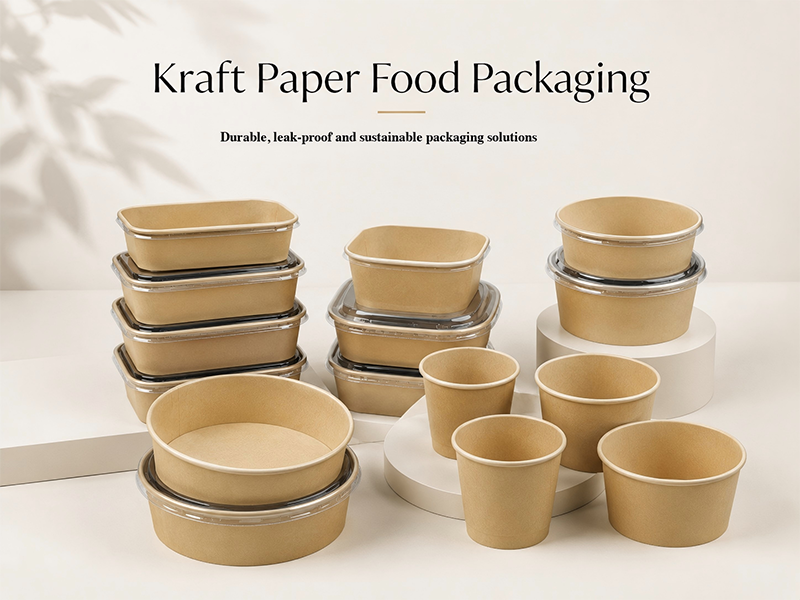 Recyclable Kraft Paper Food Packaging
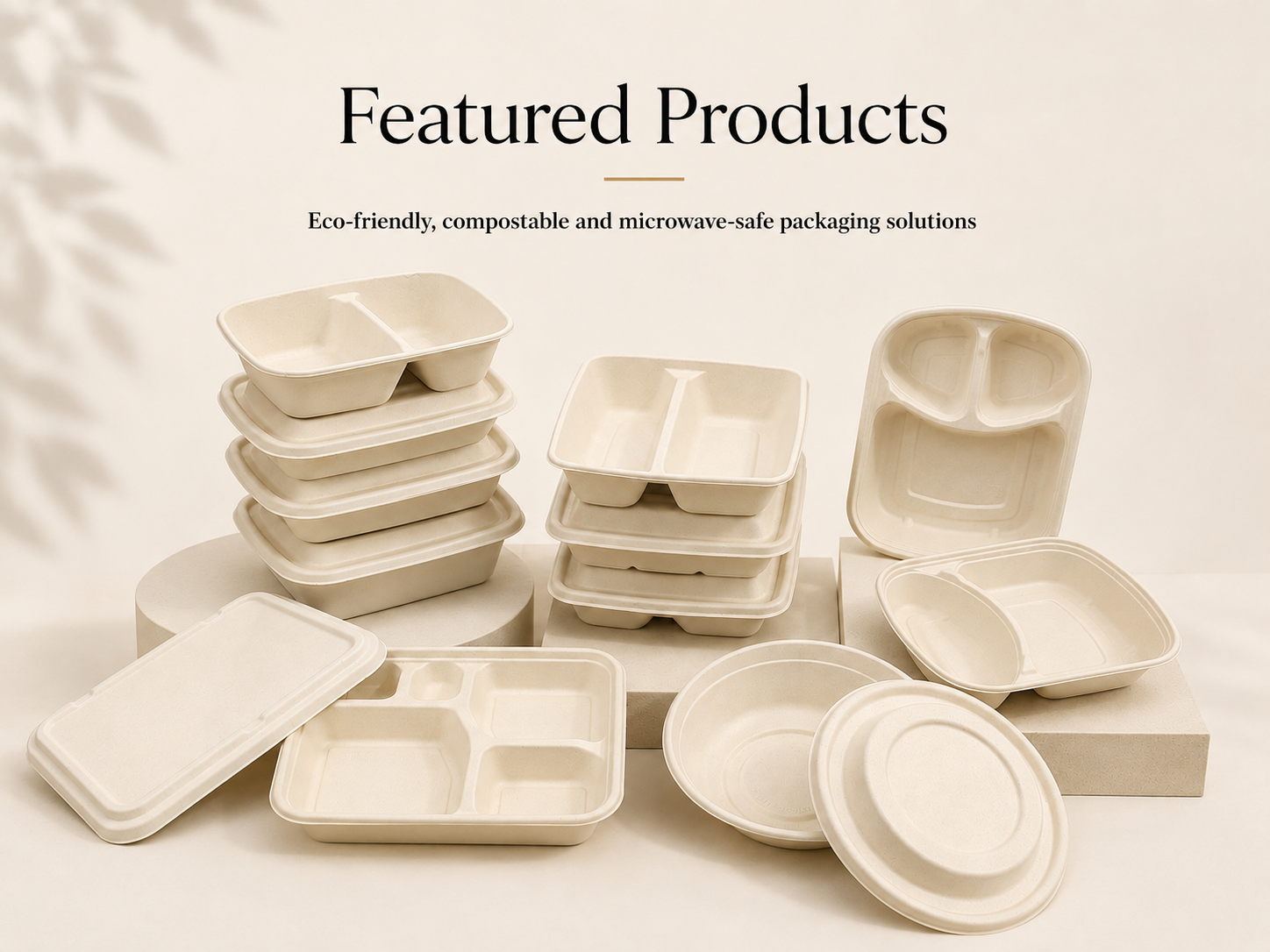 Featured Products
 +86 18024107061
 Contact via email