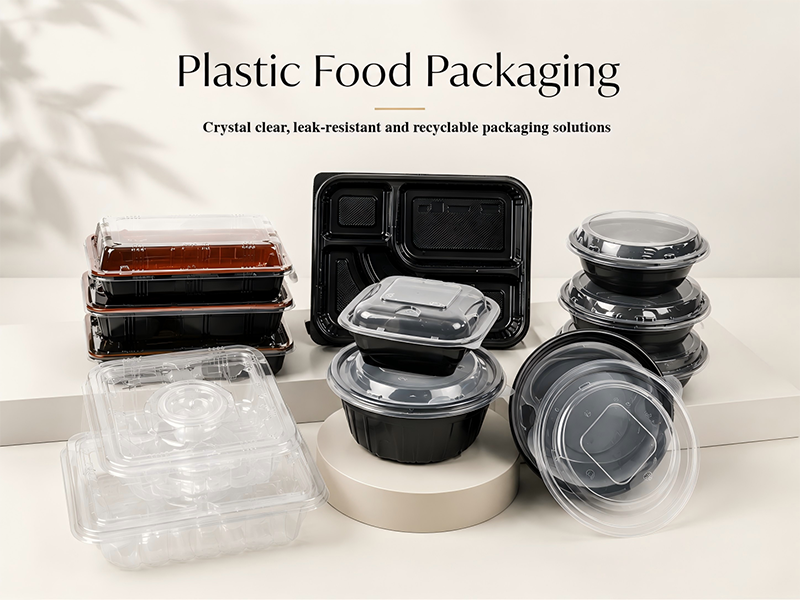
 Plastic Food Packaging
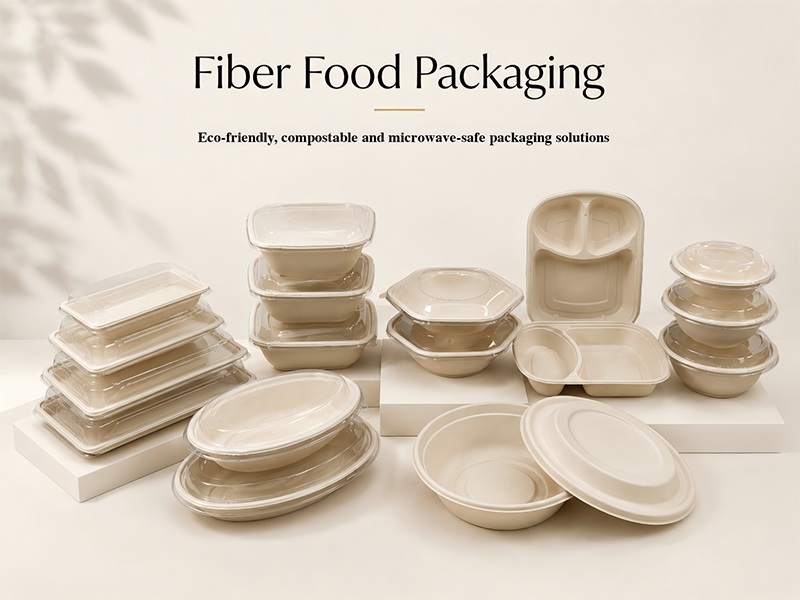 Fiber Pulp Food Packaging
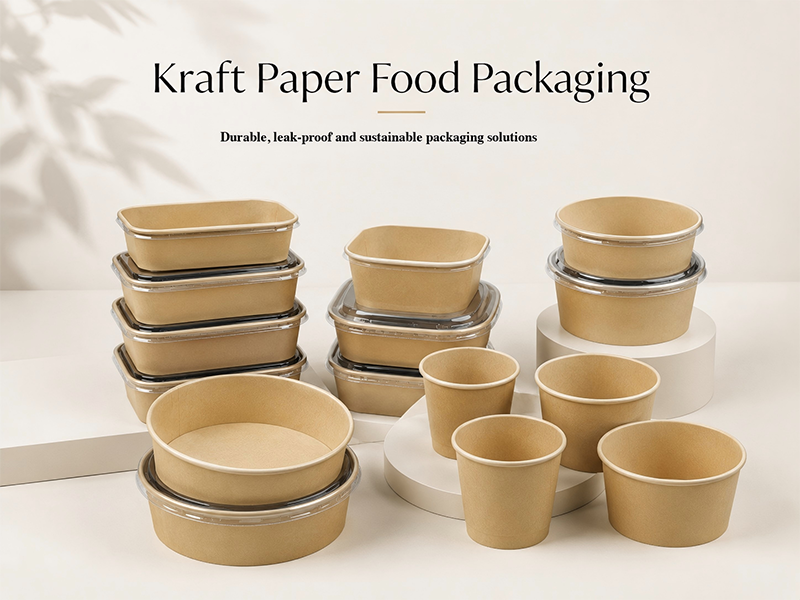 Kraft Paper Food Packaging
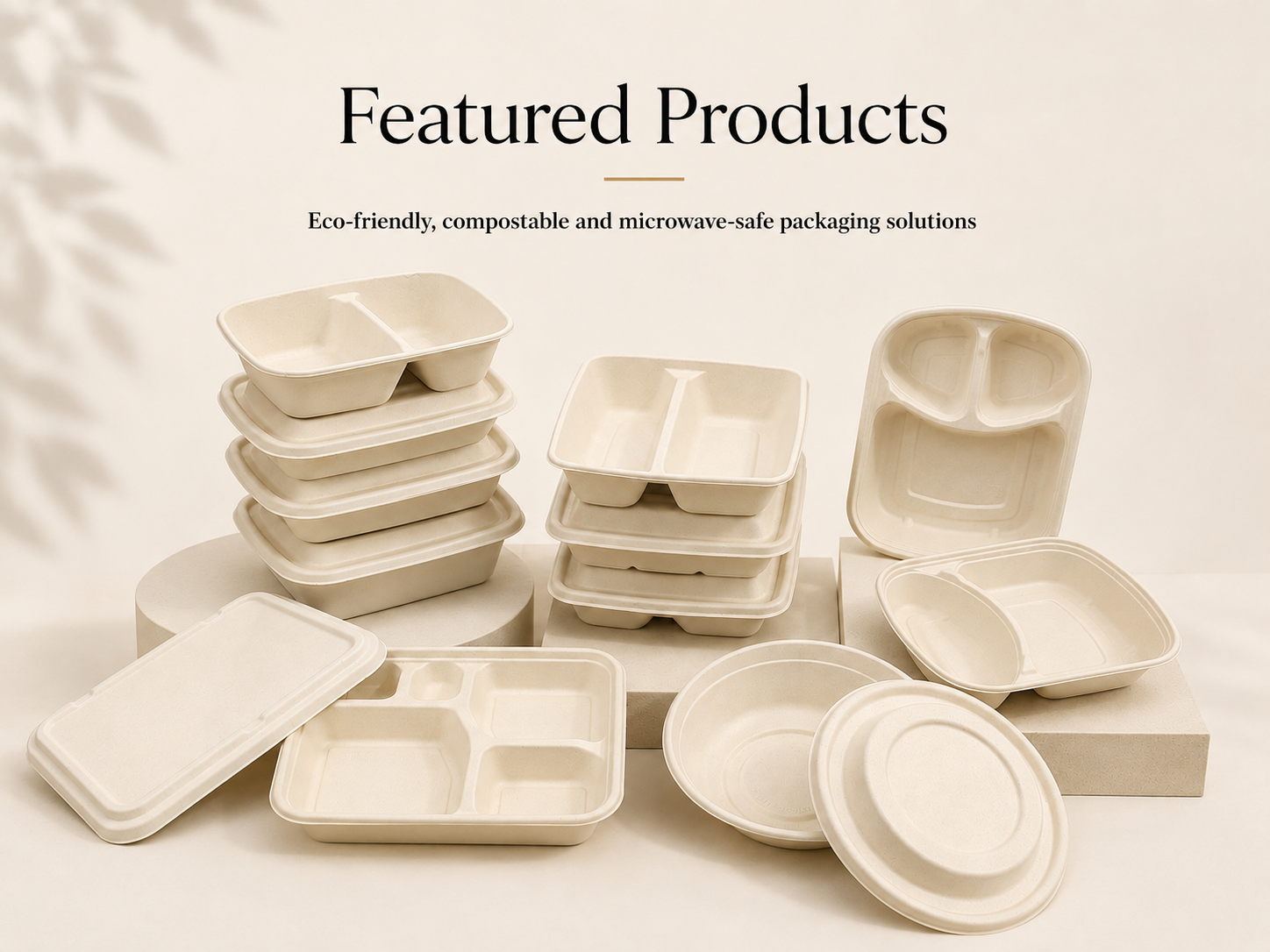 Featured Products
 +86 18024107061
- Home
- Products
- About Us
- Solutions
- News
- FAQ
- Contact Us
Leave Your Message
-
Contact Whatsapp
-
 Contact via email
Picking a dependable Kraft Paper Food Container supplier? It’s not just about price tags and pretty print. Food businesses need packaging that actually protects the meal, carries the brand, and holds up in transit. One leaking soup bowl—or a base that goes soft—can burn customer trust fast.
So this guide looks at ten suppliers through a practical buying lens. We’re talking paperboard strength, grease resistance, heat tolerance, lid fit, print quality, and customization. We also dig into MOQs, sample policies, production capacity, lead times, and how responsive they are. Those details really matter whether you’re a restaurant, caterer, meal service, or food manufacturer.
And yeah, real-world testing is still key. Fill samples with hot soup, oily noodles, or a chilled dessert. Wait thirty minutes and see if anything warps. Check the rim, seams, coating, and how well they stack. A Kraft Paper Container might look sustainable on paper, but how it performs comes down to materials and manufacturing controls. Suppliers should hand over clear food-contact documentation and relevant test records for your market.
Truth is, no single supplier works for every application. Some are great at printing but can’t handle big volumes. Others make sturdy containers with fewer design choices. And supplier info changes, so it’s easy to miss a promising company. Readers should double-check current certifications, material specs, pricing, and delivery terms directly. That little bit of extra verification saves budgets and cuts down on packaging surprises. The supplier overview below is meant to make that whole process clearer, more practical, and easier to weigh.
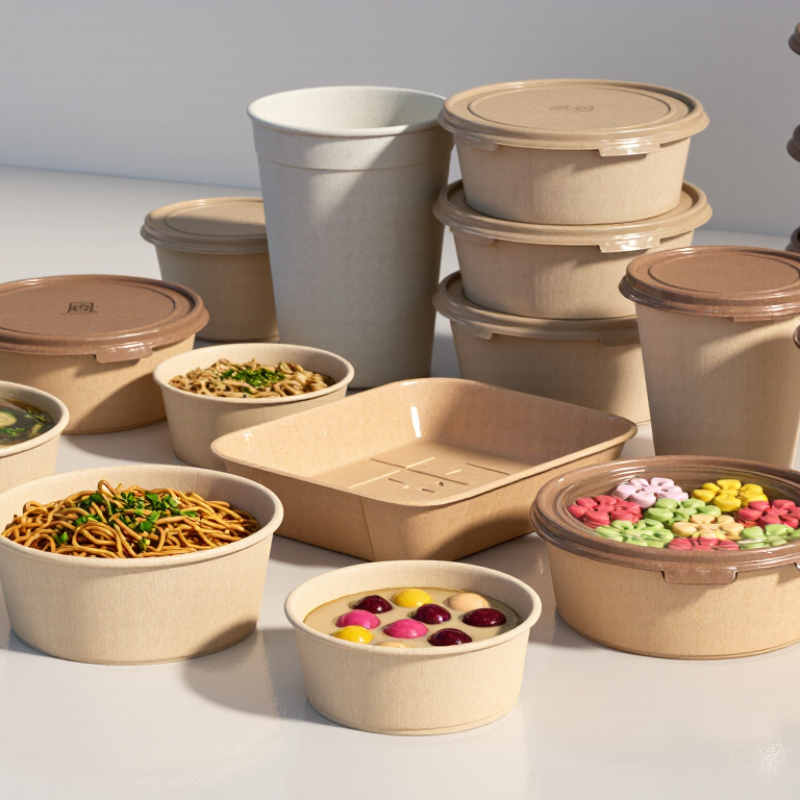
What Makes a Reliable Kraft Paper Food Container Supplier
A reliable supplier understands that appearance is only one part of container quality. The paper should feel firm, not soft or uneven. Ask for the paper weight, coating type, and food-contact test documents. These records should match the exact container, not a similar sample. Practical checks matter too. Fill a cup with hot soup and leave it for thirty minutes. Watch for leaking seams, soft walls, or coating separation.
A dependable supplier provides samples from regular production, not only hand-finished prototypes. Compare several units from one batch. Small differences can reveal weak process control. Check lid fit, stacking stability, printing alignment, and odor after heating. The supplier should explain how pulp sources, coatings, and adhesives are tracked. Clear traceability supports safer purchasing and faster problem solving.
Communication also separates a trustworthy supplier from a risky one. Quotes should state dimensions, material thickness, packing method, minimum order quantity, and delivery range. Good suppliers report delays early and offer practical corrections. They can usually share factory inspection details or arrange a remote production review. Still, no supplier is flawless. A low defect rate does not mean zero defects. Buyers should approve a written sample standard and inspect incoming cartons. Sustainability claims deserve the same care. Request evidence for recycled content or compostability, because attractive wording alone proves little.
| No. | Supplier Evaluation Dimension | Reliable Supplier Benchmark | Recommended Verification Evidence | Why It Matters |
|---|---|---|---|---|
| 1 | Food-Contact Material Safety | Uses paperboard, inks, adhesives, and coatings suitable for the intended food-contact application and destination market. | Food-contact declaration, migration test reports, material specifications, and applicable regulatory references such as FDA or EU food-contact requirements. | Helps reduce the risk of chemical migration, contamination, and regulatory non-compliance. |
| 2 | Paperboard Quality and Consistency | Provides consistent grammage, thickness, moisture content, stiffness, and surface quality across production batches. | Technical datasheet, certificate of analysis, incoming-material inspection records, and retained production samples. | Consistent board performance supports reliable forming, stacking, printing, and transport. |
| 3 | Grease and Moisture Resistance | Offers a coating or barrier appropriate to the food type, temperature, holding time, and expected oil or moisture exposure. | Kit or grease-resistance test results, water-resistance data, coating specifications, and application-condition testing. | Prevents leakage, staining, loss of strength, and premature container failure. |
| 4 | Leakage and Structural Performance | Validates seam strength, base integrity, compression resistance, and performance with hot, cold, dry, and liquid foods as applicable. | Finished-product inspection plan, leak-test records, compression-test results, and transport simulation reports. | Protects food quality and reduces customer complaints caused by damaged or leaking packaging. |
| 5 | Printing and Decoration Control | Maintains accurate color, sharp graphics, correct registration, and controlled ink coverage without compromising food-contact safety. | Approved artwork proof, color-control records, ink specifications, print inspection standards, and sample approval procedure. | Ensures consistent brand presentation and helps prevent artwork, labeling, and readability errors. |
| 6 | Sustainability Documentation | Clearly identifies fiber source, recycled content where used, coating type, and disposal limitations without making unsupported environmental claims. | Chain-of-custody certificate where applicable, recycled-content declaration, coating data, and recyclability or compostability test documentation. | Supports accurate environmental communication and helps buyers select materials compatible with local waste systems. |
| 7 | Customization and Engineering Support | Can provide dielines, prototypes, structural recommendations, lid or accessory compatibility, and design adjustments for the intended filling process. | Prototype samples, technical drawings, tolerance specifications, sample approval records, and documented revision control. | Improves fit, usability, production efficiency, and protection during delivery. |
| 8 | Quality Management System | Uses documented procedures for incoming inspection, production control, traceability, nonconformity handling, corrective action, and final inspection. | Quality manual, audit summary, inspection plan, corrective-action records, and relevant quality-management certification. | A controlled quality system makes product performance more repeatable and problems easier to trace. |
| 9 | Production Capacity and Lead-Time Reliability | Provides a realistic minimum order quantity, sampling schedule, production lead time, replenishment plan, and capacity statement. | Written quotation, production schedule, capacity confirmation, historical delivery records, and agreed order milestones. | Helps maintain packaging availability and prevents interruptions to food-service or retail operations. |
| 10 | Traceability, Packaging, and Customer Service | Uses batch identification, protective shipping cartons, storage guidance, responsive communication, and a defined complaint-resolution process. | Batch records, carton specifications, storage instructions, response-time policy, and documented complaint or replacement procedure. | Supports efficient stock control, damage reduction, product recalls, and long-term purchasing reliability. |
Note: Regulatory, recyclability, compostability, and food-contact requirements vary by destination market, food type, temperature, and coating system. All claims should be confirmed using current supplier documentation and independent test results where required.
Ask for paper weight, coating type, dimensions, and food-contact test documents. The documents must match the exact container. Not a similar sample.
Fill it with hot soup and leave it for thirty minutes. Check the seams, walls, and inner coating. Look for leaks or soft paper.
Hand-finished prototypes may hide production weaknesses. Request several units from one recent batch. Compare lid fit, stacking, printing, and odor after heating.
Test the container with hot meals, oily food, broth, and frozen items. Keep samples filled for suitable periods. Real food exposes weak seams quickly.
Compare the full delivered cost, not only the unit price. Include lids, printing plates, freight, customs, and damaged cartons. A low price can create costly dead stock.
Request food-contact declarations, migration reports, recycled-content evidence, and traceability records. Check whether testing matches your selling market. Attractive wording proves little.
Minimum orders may range from several thousand units to full pallets. Large quantities can reduce unit costs but increase storage pressure. Unused cartons are still expenses.
Send identical technical questions to several suppliers. Compare response accuracy and detail. Reliable suppliers explain delays early and provide practical corrections.
Yes, a smaller pilot batch can reveal sealing, size, and carton problems. Inspect ten pieces from different cartons. Keep written records.
No. I once assumed that. Coating quality and forming accuracy may matter more than thickness. The thickest wall can still soften under hot soup.
Choosing the right Kraft Paper Food Container supplier requires more than comparing prices. A reliable supplier should offer consistent product quality, clear food safety documentation, dependable production capacity, and responsive customer service. This guide explains how to evaluate suppliers according to different business needs, including takeaway restaurants, catering companies, retailers, and food manufacturers. It also reviews common products such as bowls, boxes, trays, cups, and containers with lids, along with customization options for sizes, shapes, printing, coatings, and packaging.
When comparing suppliers, buyers should examine material strength, leak resistance, pricing, minimum order quantities, delivery schedules, and relevant certifications. Sustainable paper sources, responsibly selected coatings, and compliance with applicable food-contact standards are also important considerations. The final section presents a practical purchasing process, from defining specifications and requesting samples to confirming quality requirements, negotiating terms, and arranging reliable delivery. By following these steps, businesses can select a supplier that balances performance, sustainability, customization, and overall value.