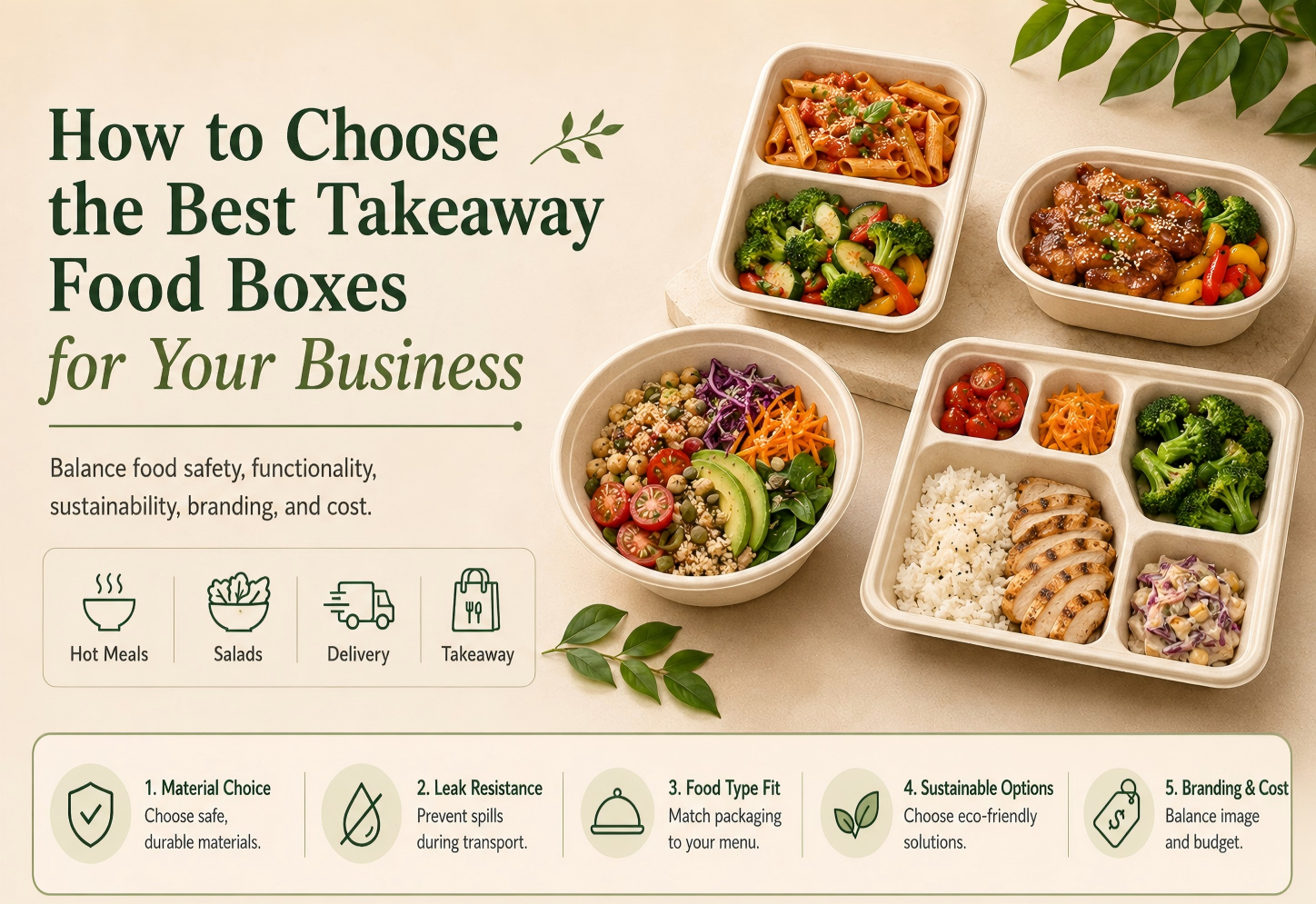
Choosing the right food packaging container supplier isn't just about comparing prices, you know? There's a lot more to it—things like the materials they use, how consistent their production is, whether they have all the proper food-contact documentation, and if they’re reliable when it comes to delivery. Just because a container looks sleek and attractive doesn't mean it'll hold up during stacking, filling, shipping, or refrigeration. Sometimes, the little details really matter—like how well the lid fits, the sealing pressure, wall thickness, or whether labels stick properly.
Walter Soroka, a packaging expert, once said, “Packaging is the science, art, and technology of enclosing and protecting products.” That’s definitely something to keep in mind when looking at suppliers such as Amcor, Berry Global, Sonoco, or Huhtamaki. Each of these companies has its own strengths—whether it's plastic, paperboard, flexible packaging, or molded fiber solutions. As a buyer, it’s a smart move to ask for technical datasheets, samples for approval, info about their factories, and clear quality records. Plus, it’s important to check if they can handle fluctuating volumes and regional delivery needs without a hitch.
Let’s be honest—no supplier is perfect. That’s something we should keep in mind. Sometimes a cheaper option might end up creating more waste, slow down shipping, or have inconsistent sealing. On the other hand, a premium supplier might still have issues with customization or minimum order quantities. At the end of the day, the best container food packaging partner strikes a good balance between protection, safety, cost, sustainability, and reliable communication. Practical steps like doing pilot runs, testing transit conditions, and getting feedback from actual production can make a huge difference.
Also, don’t forget to scrutinize their recyclability claims carefully. Sometimes the local recycling infrastructure might not match the package’s design. This guide is meant to give you an overview of some of the top food packaging container suppliers around the world and points out important questions you should ask before signing any long-term deals.
Types of Food Packaging Containers and Their Global Applications
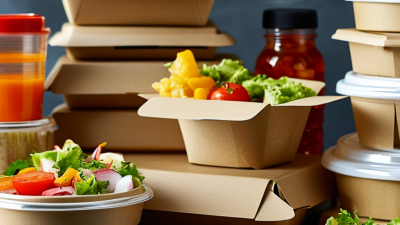
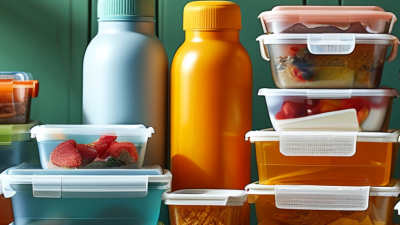
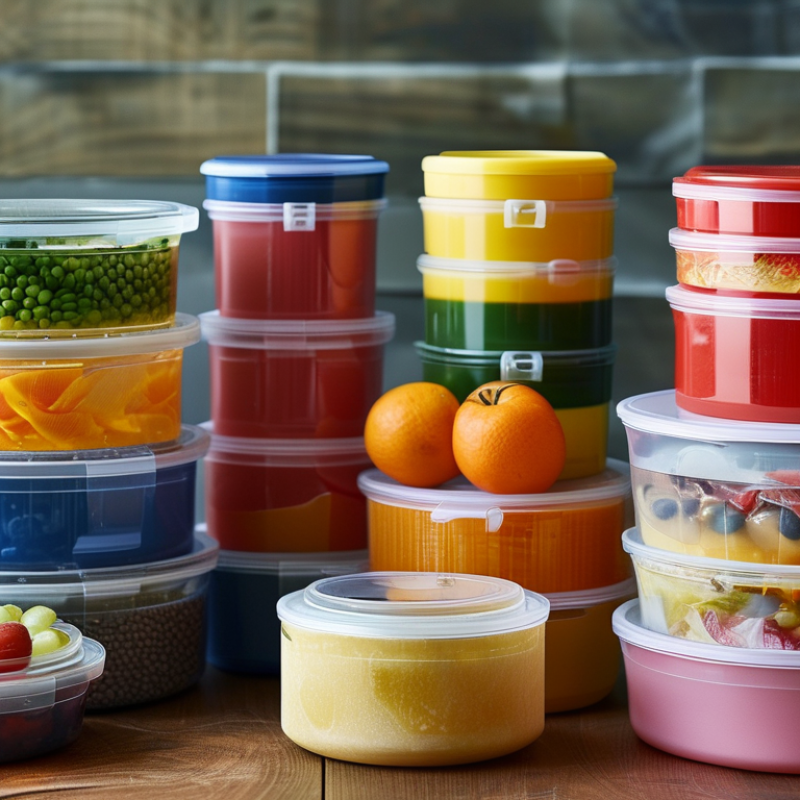
Food packaging containers vary by product, climate, transport distance, and retail format. Rigid plastic tubs suit sauces, dairy, and prepared meals because they resist impact and stacking pressure. Glass jars protect flavor and tolerate heat processing, but their weight raises freight emissions. Paperboard cartons work well for dry foods, especially when paired with moisture-resistant inner layers. A Food Container Box can combine these features for bakery items, frozen meals, or subscription deliveries.
Flexible pouches use less material and space than many rigid containers. The Smithers report, The Future of Global Food and Drink Packaging to 2028, identifies lightweighting and recyclable structures as major market priorities. However, pouch recycling remains limited in several regions. That detail matters. A package may be technically recyclable but practically rejected by local systems. I would not treat “recyclable” as a universal result.
The Grand View Research food packaging market report estimated the global market at about USD 348 billion in 2023. Its projected growth reflects demand for convenience, portion control, and safer transport. Exporters often select multilayer films for long shelf life, while local producers may prefer molded fiber or returnable containers. Temperature changes can expose weak seals. Small cracks appear first around corners. Supplier evaluations should include drop tests, migration testing, seal checks, and transit trials. Packaging that performs in a warehouse may fail inside a humid delivery truck.
Key Criteria for Evaluating International Packaging Suppliers
Choosing top food packaging container suppliers requires more than comparing prices. Buyers should examine safety controls, material consistency, production capacity, and export experience. The OECD’s Global Plastics Outlook reports that packaging represented about 40% of global plastic waste in 2019. This makes material selection and end-of-life planning important commercial decisions.
During supplier audits, request migration test results, food-contact declarations, batch records, and factory inspection reports. Verify whether the supplier can maintain wall thickness, closure fit, and sealing performance across large orders. The FAO reported that 14% of food is lost between harvest and retail. Reliable packaging can reduce damage, leakage, and temperature-related waste, although packaging alone cannot solve every supply-chain problem. That limitation deserves honest attention.
Tips: Ask for three recent production samples. Test them with your actual filling line. Check pallet dimensions, humidity protection, minimum order quantities, and lead times. Confirm the supplier’s traceability process, corrective-action history, and emergency communication plan. Review applicable import, labeling, recycling, and food-contact rules in every destination market. A low unit price may become expensive after rejected containers, port delays, or redesigned labels. Suppliers should also explain their recycled-content claims with testable evidence, not attractive wording. Mistakes still happen. The best supplier makes them visible early.
Leading Regions and Supplier Categories in the Global Market
Top Food Packaging Container Suppliers for Global Buyers?
East Asia remains a major sourcing region for molded plastic, glass, and metal food containers. Several factories offer high-volume production, automated inspection, and custom tooling. Southeast Asia is gaining attention for flexible pouches, paper cartons, and takeaway packaging. Labor costs may be competitive, but supplier consistency requires careful review. Keep samples nearby. Regional logistics can change quickly during peak seasons.
European suppliers often focus on recyclable structures, lightweight containers, and advanced barrier materials. Their technical documentation is usually detailed, which helps buyers check food-contact requirements. North American suppliers commonly serve large retailers, meal producers, and institutional kitchens. They may provide strong local warehousing and shorter delivery schedules. However, pricing can rise with specialized materials or smaller order quantities.
Supplier categories matter as much as location. Rigid-container manufacturers suit sauces, dairy products, and ready meals. Flexible-packaging converters support films, pouches, and lidding materials. Paper specialists produce cartons, bowls, sleeves, and molded fiber trays. Closure suppliers handle lids, caps, seals, and tamper-evident features. Some companies combine design, production, testing, and logistics. That convenience can reduce coordination, but it may limit independent quality checks. Buyers should request batch records, migration-test evidence, production samples, and realistic lead times. A polished sample is not enough. Factories can change materials without clearly explaining the impact. Procurement teams should question every assumption.
Materials, Manufacturing Standards, and Product Customization Options
Choosing a Food Pack Container requires more than comparing unit prices. Material selection affects shelf life, transport damage, recycling, and customer perception. Common options include PET, PP, HDPE, paperboard, aluminum, and multilayer structures. Each material suits different foods. High-barrier films can protect oily or oxygen-sensitive products, while rigid plastics offer dependable stacking strength.
Reliable suppliers should follow documented food-contact manufacturing procedures. Ask for material specifications, migration-test reports, batch traceability, and cleaning controls. Production areas should manage dust, moisture, and foreign-particle risks. Factory audits can reveal practical details that certificates may miss, such as uncovered storage or inconsistent lot labeling. Requirements vary by destination market, so compliance documents should match the intended sales region.
Customization may include container volume, wall thickness, cap design, sealing method, printing, embossing, and barrier performance. A supplier can usually provide a prototype before tooling begins. This step exposes awkward grips, weak corners, or lids that leak during vibration testing. Custom colors may also change material performance or recycling options. Recycled content can support sustainability goals, but it needs careful quality control. It is not automatically the best choice. Minimum order quantities, tooling fees, lead times, and inspection standards should appear in the written quotation. Small details often decide whether a customized package performs well beyond the sample stage.
Food Safety, Sustainability, and Regulatory Compliance Requirements
Global buyers should evaluate food container suppliers through safety evidence, not attractive catalogs. The OECD Global Plastics Outlook reports that packaging generated about 141 million tonnes of plastic waste in 2019. That figure makes material selection urgent, but paper is not automatically safer or greener.
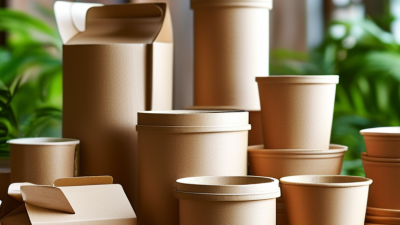
For Paper Container Food applications, request migration testing, ink declarations, coating specifications, and batch traceability. Food-contact materials must not transfer substances that endanger consumers or change taste. In the European market, suppliers should address Framework Regulation (EC) No 1935/2004 and Good Manufacturing Practice requirements. In the United States, food-contact substances require appropriate regulatory clearance under applicable food-contact rules. Ask for test conditions matching the product. Hot soup, acidic sauce, and frozen meals behave differently.
Sustainability claims also need practical proof. The UNEP report Turning off the Tap identifies packaging as a major driver of single-use plastic pollution. Yet a fiber container with a difficult-to-separate barrier may complicate recycling. This detail is often missed. Request recycled-fiber content, responsible forestry evidence, PFAS-related statements, recyclability guidance, and manufacturing energy data. Suppliers should explain where their claims stop. A certificate alone does not prove performance in every country. We have seen specifications fail when moisture exposure, sealing temperature, or transport humidity was ignored. Buyers should test filled containers through real storage and distribution conditions before approving volume orders.
Ordering, Quality Control, Logistics, and Supplier Selection Steps
Choosing a food packaging container supplier requires more than comparing unit prices. A strong ordering process starts with a clear specification sheet. Include container material, capacity, wall thickness, closure type, color tolerance, and intended food use. Ask for production samples, not only catalog images. A two-millimeter lid mismatch can cause leakage during filling. That small detail matters.
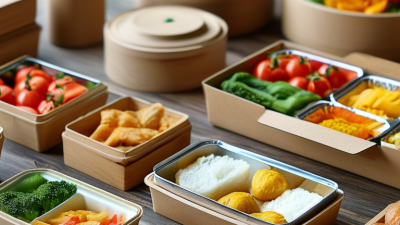
Food Container Packing should include documented quality controls. Request batch records, dimensional inspection reports, and food-contact compliance documents for the destination market. Independent migration testing may be necessary for sensitive applications. Check samples under real conditions: refrigeration, stacking, vibration, and hot filling. Keep an approved reference sample with signed tolerances. Do not rely on verbal promises. They fade.
Logistics planning should cover lead time, carton strength, pallet height, labeling, and moisture protection. Confirm whether the supplier can provide lot codes and loading photographs. Before shipment, use a pre-shipment inspection with agreed defect limits. I would also calculate landed cost, including tooling, testing, freight, duties, and possible storage. Supplier selection becomes clearer with a scorecard covering quality, communication, capacity, traceability, and recovery speed. A low price can hide delays. One weakness in many purchasing checklists is overvaluing the first successful sample. Repeat orders may expose inconsistent materials or slower responses, so review performance after every shipment.
Top Food Packaging Container Suppliers for Global Buyers
Recommended 100-point supplier evaluation model covering ordering, quality control, logistics, and supplier selection.
Quality and regulatory compliance receive the highest weighting because food-contact packaging must meet safety and market-entry requirements. Total landed cost includes unit price, tooling, freight, duties, and handling. Delivery reliability, production capacity, order flexibility, communication, and export documentation help reduce supply-chain risk for global buyers.
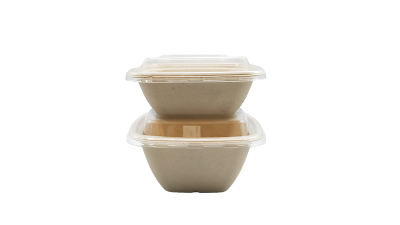
Eco-Friendly 5-Inch Square Pulp Food Bowls for Sustainable Light Meal Packaging
These 5-inch square pulp food bowls offer a practical and eco-friendly solution for sustainable light meal packaging. Made from unbleached pulp, the bowls are compostable and designed for convenient everyday food service. Available in 350ml and 500ml capacities, they are well suited to side dishes, appetizers, salads, pasta, poke bowls, noodles, and other small portions. Their compact square shape helps present food neatly while making efficient use of storage and serving space.
Each bowl can be paired with a durable PET or RPET lid to help protect food during takeaway and delivery. The secure cover supports reliable handling, while the ergonomic bottom design allows customers to hold and carry the container comfortably with one hand. Suitable for restaurants, cafés, caterers, and takeaway kitchens, these pulp bowls combine functional performance with a more responsible packaging choice. By using renewable fiber material and offering practical sizes for light meals, they help businesses serve food conveniently while supporting waste-conscious dining habits.
FAQS
Match the container with the food, climate, transport distance, and retail format. A rigid tub suits sauces, dairy, and prepared meals. Glass protects flavor but increases shipping weight. The best choice is not always obvious.
Flexible pouches often use less material and shipping space. However, local recycling systems may reject multilayer structures. “Recyclable” does not guarantee practical recycling. Check local collection rules first.
Paperboard cartons suit dry foods when moisture-resistant inner layers are included. They can protect cereals, bakery products, and powdered ingredients. Humidity remains a serious weakness. Test cartons in real storage conditions.
Request drop tests, migration testing, seal checks, and transport trials. Inspect corners carefully. Small cracks often begin there. A package that survives a warehouse may fail inside a humid delivery truck.
Ask for migration reports, ink declarations, coating details, and batch traceability. Testing should match the actual food and temperature. Hot soup, acidic sauce, and frozen meals create different risks. Generic documents may be insufficient.
No. Paper can contain coatings or barriers that complicate recycling. Request recycled-fiber details, forestry evidence, and barrier information. Ask whether PFAS-related substances are absent or controlled. Paper is not a complete sustainability answer.
Temperature changes can weaken seals and cause leakage. Frozen products, hot fillings, and humid transport require separate testing. Check sealing temperatures carefully. One overlooked setting can spoil an entire shipment.
Fill containers with the intended food and test real storage and delivery conditions. Include stacking, vibration, temperature changes, and moisture exposure. Review results before volume production. I would not rely on a certificate alone.
Conclusion
Global buyers can choose from a wide range of Food Packaging Container types, including cups, trays, boxes, pouches, jars, and rigid or flexible containers designed for fresh, frozen, dry, liquid, and ready-to-eat products. Selecting the right supplier requires evaluating product quality, production capacity, material performance, customization options, communication, pricing, and export experience. Suppliers may specialize by region, material, application, or manufacturing process, so buyers should compare capabilities rather than focus only on cost.
Important considerations include food-grade materials, hygienic manufacturing, reliable sealing, printing quality, and compliance with applicable food-contact and environmental requirements. Sustainable options may include recyclable, reusable, lightweight, or responsibly sourced materials, depending on the product and market. Before ordering, buyers should confirm specifications, request samples, review quality-control procedures, define inspection standards, and clarify packaging, delivery schedules, documentation, and after-sales support. A careful supplier-selection process helps reduce risks, maintain product safety, and build dependable international supply relationships.
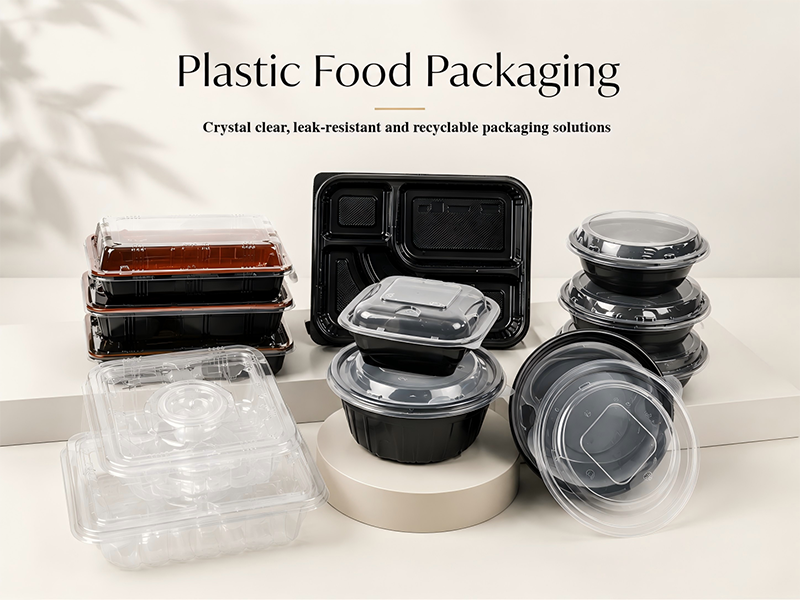 Recyclable Plastic Food Packaging
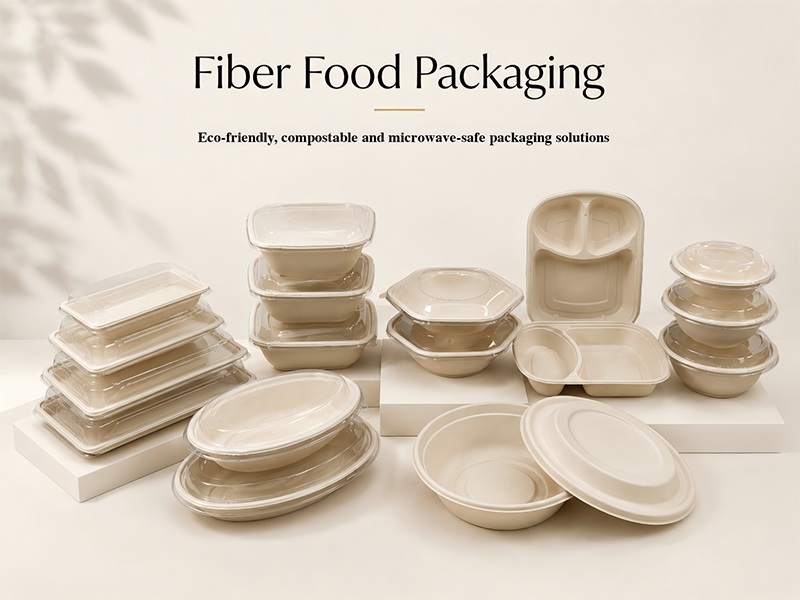 Compostable Fiber Food Packaging
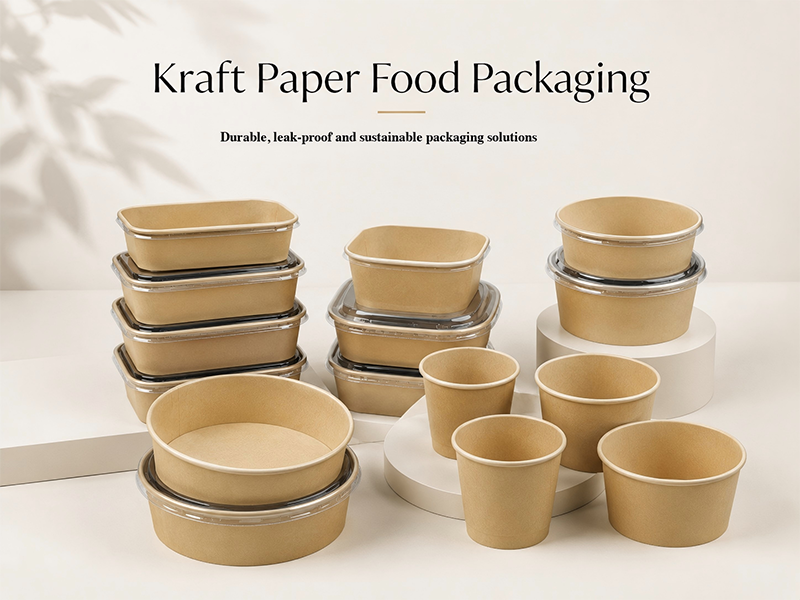 Recyclable Kraft Paper Food Packaging
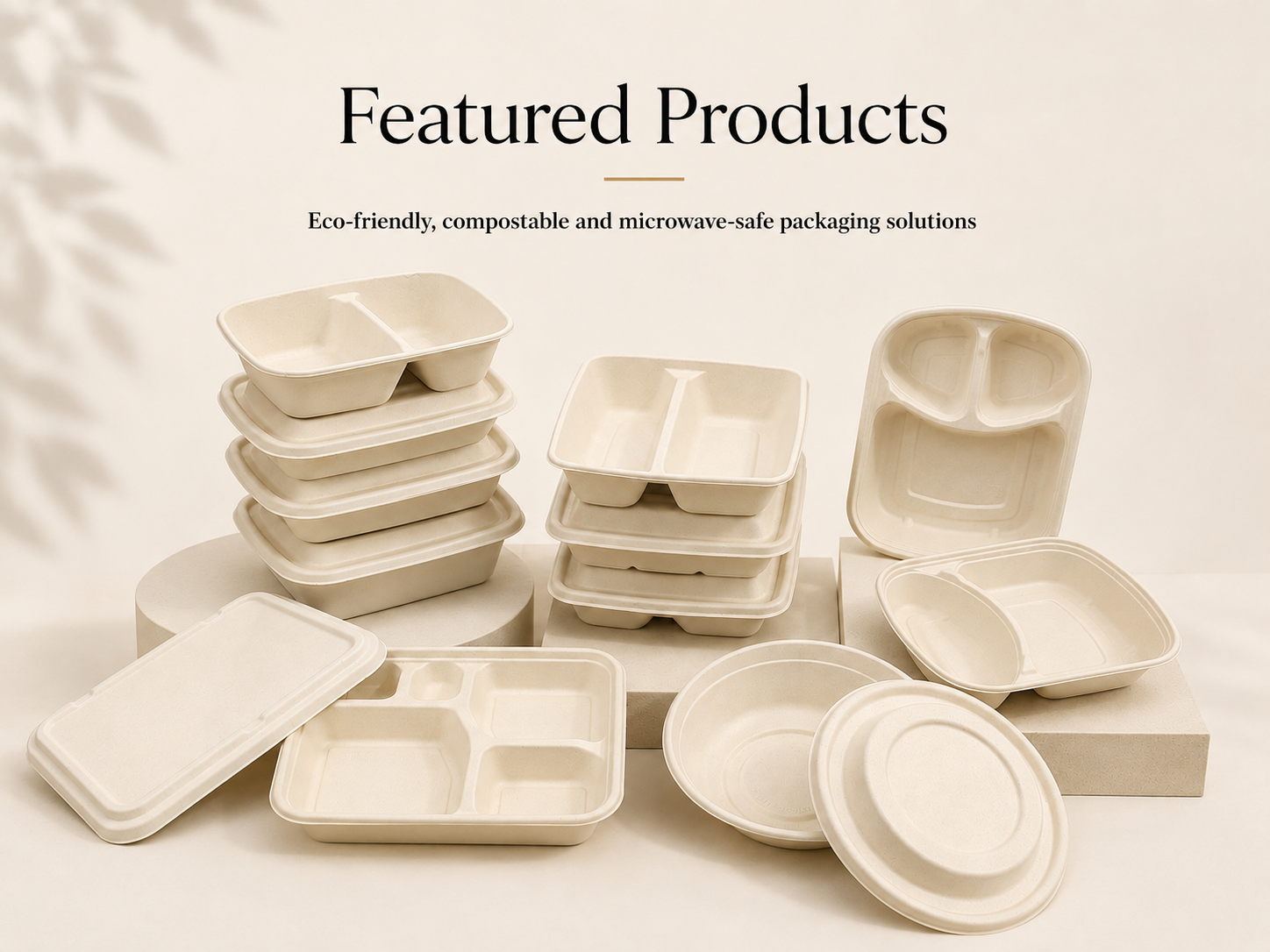 Featured Products
 +86 18024107061
 Contact via email