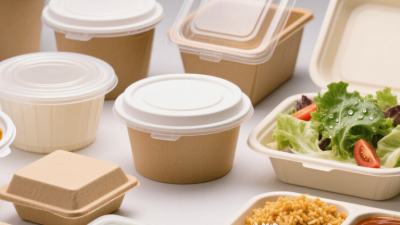
Picking the right Disposable Food Box isn’t usually just about shape or price. Global buyers have to juggle food safety, transport strength, presentation, and what happens at end of life. A box that looks elegant in a showroom can go soft next to hot noodles or get crushed under a stack of cartons.
This guide looks at ten practical types of Disposable Food Box—kraft paperboard, molded fiber, bagasse, corrugated takeaway boxes, hinged clamshells, and recyclable plastic formats, to name a few. Each one fits a different operating reality. A bakery might need grease resistance and a clear window. A delivery kitchen may care more about leak control, vent placement, and stable stacking. And a supermarket buyer? They’re often focused on material consistency, print quality, and reliable supply from companies like Huhtamaki, Sabert, and Graphic Packaging International.
Packaging expert Walter Soroka often said, “Packaging is the product’s silent salesman.” That still rings true when a branded box shows up warm, clean, and intact. But looks can’t replace proof. Before placing big orders, buyers should ask for food-contact documentation, migration testing, material specs, and performance samples. Regional recycling and compostability claims need a careful check too—sometimes a label sounds greener than the disposal system actually is.
Small details matter, honestly.
A weak lid hinge, trapped steam, or an oversized carton can mean more waste and more customer complaints. This comparison isn’t perfect; local infrastructure, food temperature, and purchasing volume can change the answer. Still, it gives you a grounded starting point for choosing a Disposable Food Box that performs beyond the product photo.
What Defines a Disposable Food Box?
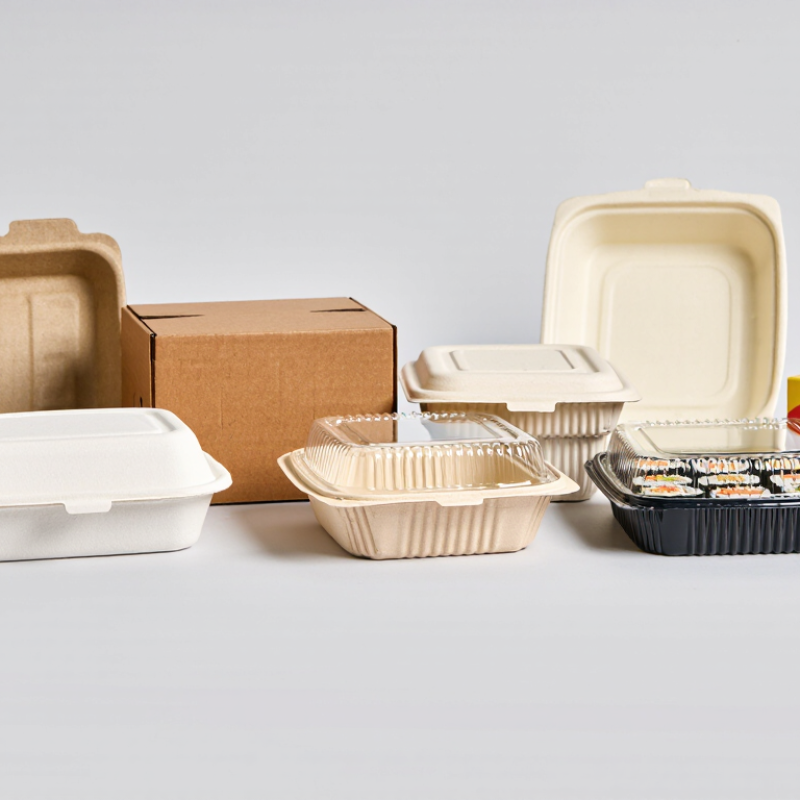
A Food Disposable Box is a container designed for one-time food service, transport, and disposal. It must protect food from leakage, crushing, heat, and outside contamination. Function comes first. A useful definition includes four details: food-contact safety, structural strength, barrier performance, and end-of-life options. Paperboard, molded fiber, plastic, and aluminum can all qualify when their design matches the meal.
The material alone does not define quality. A thin box may fail under oily noodles, while a vented lid can protect crisp fried food during a 30-minute delivery. Grand View Research reported continued growth in the global disposable food containers market, driven by takeaway meals and delivery demand. The report also identifies convenience and food safety as major purchasing factors. These findings matter for global buyers because a cheaper box can create higher costs through leakage, returns, and damaged food.
Sustainability requires closer inspection. The United Nations Environment Programme reports that packaging uses about 40% of global plastic production, showing why box design deserves scrutiny. A recyclable-looking Food Disposable Box may still be unsuitable where collection systems cannot process it. Buyers should check coating chemistry, temperature limits, compression strength, and verified food-contact documentation. Local recycling rules also matter. They vary widely. That weakness is easy to overlook. Suppliers should provide test records, material specifications, and clear disposal guidance rather than broad environmental claims.
Top 10 Disposable Food Box Types for Global Buyers
What Defines a Disposable Food Box?
Disposable food boxes are commonly differentiated by their material, closure style, capacity, heat resistance, leak protection, and intended food application. The chart compares representative nominal capacities frequently used in food-service packaging specifications; actual dimensions vary by supplier and design.
How Disposable Food Boxes Are Classified
Top 10 Disposable Food Box Types for Global Buyers
How Disposable Food Boxes Are Classified
Disposable food boxes are classified by material, structure, heat resistance, and end use. Common groups include paperboard meal boxes, molded-fiber containers, plastic takeaway boxes, foam alternatives, aluminum trays, bagasse boxes, hinged clamshells, compartment boxes, folding cartons, and soup containers. A Food Box Disposable product should match the meal, not only the target price.
Material affects moisture control. Paperboard suits dry meals, while coated paper handles sauces more effectively. Molded fiber offers a firm, textured surface for hot food. Aluminum tolerates high heat, but it is unsuitable for some microwave applications. According to Smithers’ packaging market analysis, global packaging demand is expected to exceed 1 trillion US dollars before 2028. This scale increases pressure on buyers to verify material claims and supplier data.
Structure matters at the delivery stage. A hinged box reduces assembly time, while a compartment design separates rice, vegetables, and protein. For soup, buyers should inspect seal performance and stacking strength. UNEP’s 2024 Food Waste Index Report estimated 1.05 billion tonnes of food waste in 2022. Weak packaging can worsen that loss through spills and damage. I have seen buyers focus heavily on unit cost, then overlook lids, ventilation, and carton compression. That judgment deserves review.
Small details matter. Test samples under real temperatures, transport vibration, and storage humidity before placing large orders.
The Top Ten Food Box Types by Material and Design
Top 10 Disposable Food Box Types for Global Buyers
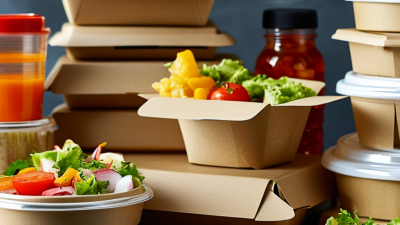
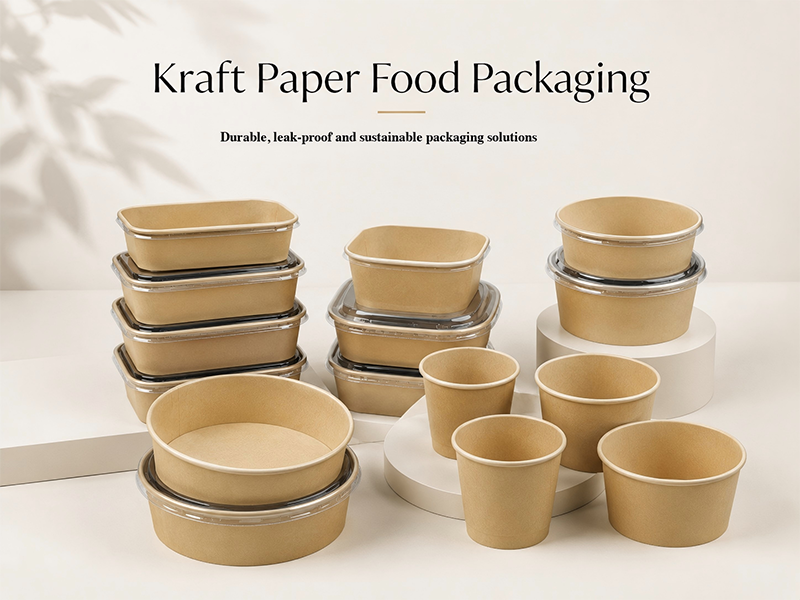
Food box selection starts with material, then moves to design. Kraft paper clamshells suit sandwiches and dry pastries, while coated paperboard folding cartons handle noodles, rice, and light sauces. Corrugated takeaway boxes provide stronger stacking during delivery. They also protect food from minor impacts.
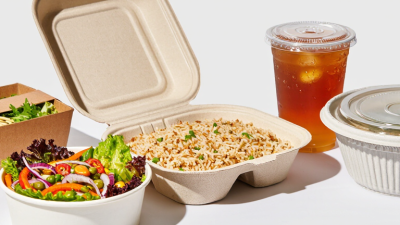
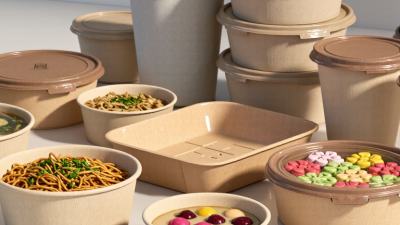
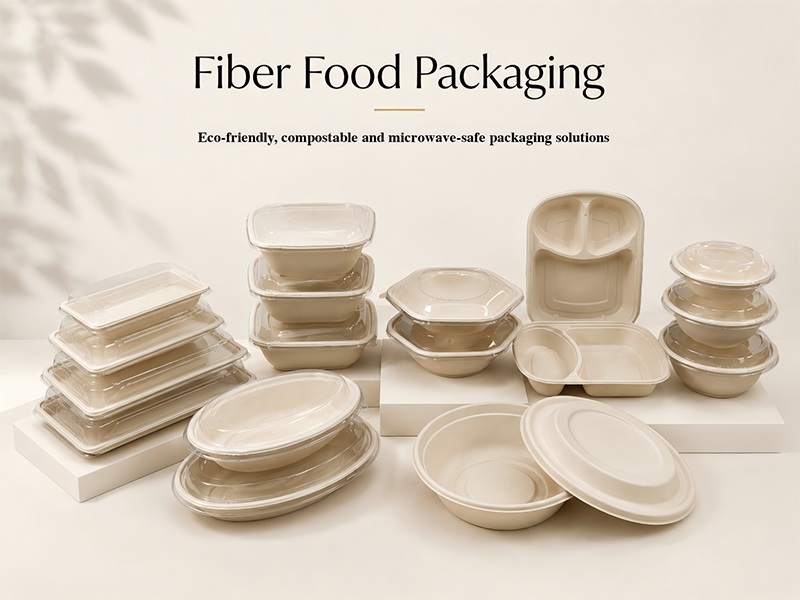
Molded fiber clamshells offer a firm, natural-looking structure for hot meals. Bagasse hinged boxes resist grease and work well for combo meals. PLA-lined paper boxes support cold or moderately warm foods, but buyers should verify temperature limits. Aluminum foil trays manage heat efficiently and pair with paperboard lids for catering. They are practical, though less comfortable for microwave use unless clearly specified.
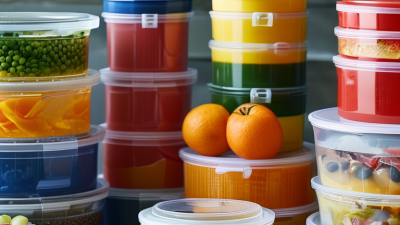
PP rectangular containers tolerate repeated handling and fit soups, salads, and prepared meals. PET clear hinged boxes display bakery products attractively, but they suit cooler foods better. Pulp trays with sleeves create a neat presentation for snacks and portioned meals. No design wins every test. A deep box may prevent spills but waste storage space. A vented lid reduces condensation, yet it can weaken heat retention. During sourcing, check food-contact documentation, closure strength, leak resistance, nesting efficiency, and local waste-processing conditions. Compostable claims can be misunderstood when suitable facilities are unavailable. Even experienced buyers sometimes focus on unit price and overlook freight volume. That mistake can quietly reshape the final cost.
Key Uses for Each Disposable Food Box Type
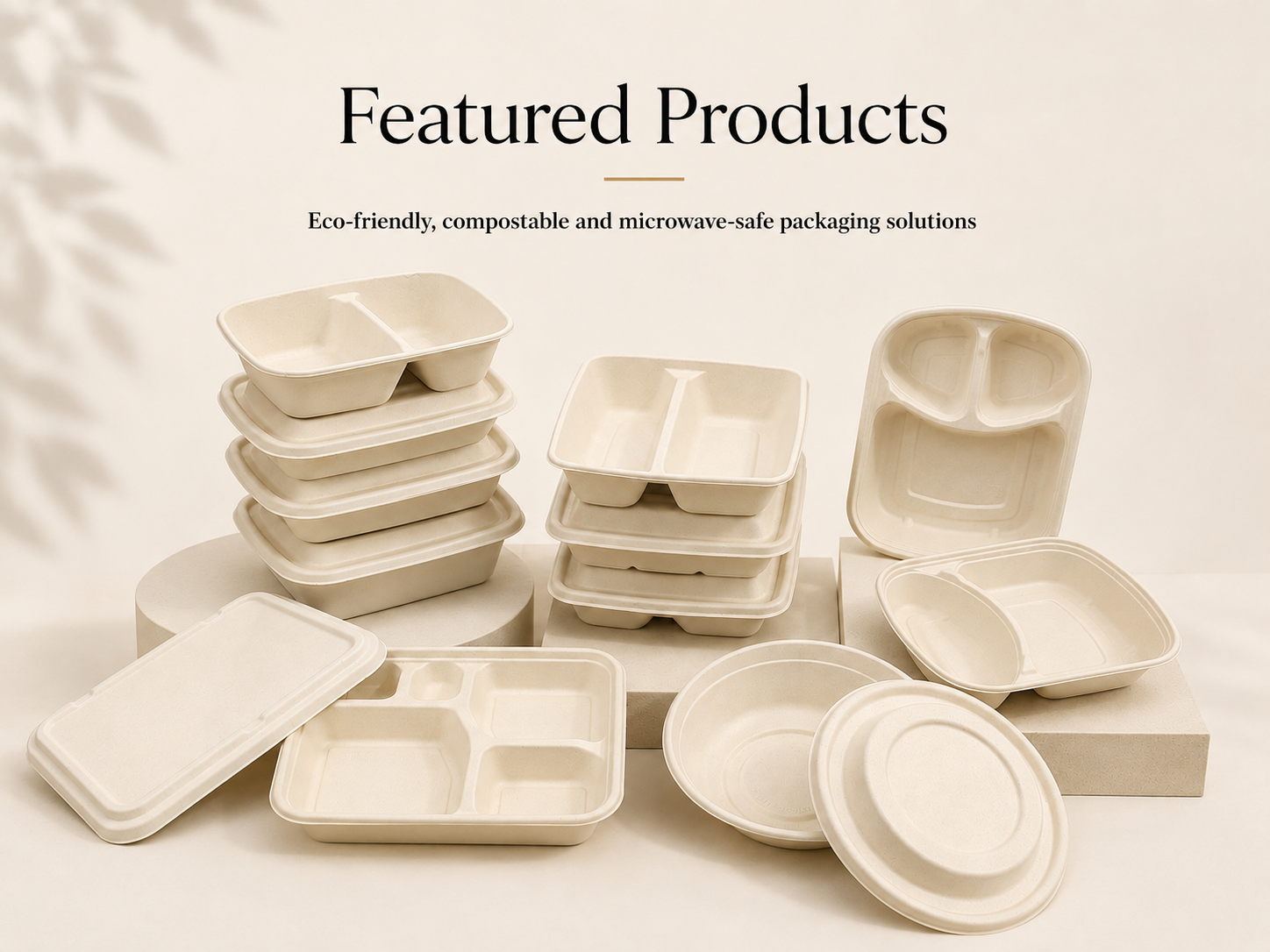
Disposable food boxes serve different meals, temperatures, and delivery distances. A hinged clamshell suits burgers, rice dishes, and bakery items because it opens quickly and resists spills. A compartment box keeps sauces, vegetables, and protein separated. It works well for lunch sets and portion-controlled catering. A shallow meal tray supports plated meals during events and airline-style service. For soups, noodles, and stews, a lidded bowl needs a secure rim and enough headspace. Small paper cups handle sauces, fruit, and samples. They are useful, but weak lids can cause messy transport.
A deli box displays salads, sandwiches, and cut fruit clearly. Clear PET or PP versions help staff check freshness without opening the pack. Paperboard boxes suit dry pastries, fries, and takeaway meals with moderate moisture. Molded fiber boxes fit hot food and offer a more natural texture. However, steam can soften them. Aluminum trays tolerate oven reheating and suit casseroles, roasts, and bulk portions. They need compatible lids and careful handling around sharp edges. For lightweight snacks, a folded carton reduces material use and stacks efficiently. The right Food Container Box Disposable depends on temperature, grease, sealing, and disposal facilities.
In purchasing work, I test filled samples before approving volume orders. I check leakage after tilting, lid fit after cooling, and strength under stacking. These simple tests reveal problems that a product photo hides. I also ask whether local facilities actually accept the selected material. A recyclable claim means little without suitable collection systems. No box is perfect. A cheaper option may create more waste through leakage or double packaging. That trade-off deserves a second look.
How Global Buyers Compare Cost, Safety, and Performance
Global buyers often compare ten disposable food box types: paperboard cartons, molded-fiber boxes, plastic clamshells, hinged containers, two-compartment boxes, soup cups, meal trays, bowls, sushi boxes, and bakery boxes. Cost starts with unit price, but freight, storage space, nesting efficiency, and minimum order quantities also matter. A lightweight box may reduce shipping expense. It may also deform under hot food.
Safety requires more than a clean appearance. Buyers should request food-contact documentation, migration test results, and temperature limits. Material performance changes with oil, moisture, acidity, and heat. Molded fiber can suit dry meals, while leak-resistant containers often perform better for soups or sauces. Recycled content can support procurement goals, but it does not automatically prove safety. Requirements differ by market, so local compliance checks remain necessary.
Performance becomes clear during practical trials. Place 800 grams of rice and curry inside the box, tilt it for ten minutes, and check the seams. Stack filled units overnight. Test closing strength after refrigeration. These simple checks reveal weak hinges, soggy corners, and unstable bases. From purchasing evaluations, I have found that a low-cost two-compartment box can reduce packing time, yet its divider may fail with heavy portions. My own comparisons are not perfect; transport vibration and supplier consistency can change results. Buyers should record sample results, repeat tests, and compare the full delivered cost rather than the printed unit price.
Sourcing Standards, Regulations, and Supplier Considerations
Global buyers compare more than shapes when selecting a Disposable Food Packaging Box. Clamshells, trays, bowls, and hinged containers may look similar. Their compliance risks are not similar. A supplier should identify food-contact rules in the destination market. Requirements can differ for plastic, paper, coatings, inks, and adhesives. Ask for current declarations of compliance and migration test reports. Check whether testing covers the actual material, temperature, and food type.
Supplier evaluation should begin with traceability. Request the factory address, production flow, batch coding, and retention samples. A dependable supplier can explain resin grades or fiber sources without vague claims. Review food-safety procedures, sanitation records, and calibration logs. Independent audits add value, but they do not replace product testing. Confirm dimensions, wall thickness, seal performance, and stacking strength with samples. Put approved specifications into the purchase contract. Small changes matter.
Packaging laws may also affect labels, recycling marks, recycled content, and compostable claims. These claims need evidence under the destination market’s rules. Ask who owns each test report and when it expires. Do not rely on a certificate copied from another product. That shortcut causes trouble. A pre-shipment inspection can catch weaker cartons, but it is not foolproof. Humidity, transport time, and cold-chain conditions deserve testing. A material change should trigger a fresh review, even when the box looks unchanged.
FAQS
Kraft paper clamshells suit sandwiches and dry pastries. They provide simple handling and a firm shape.
Molded fiber clamshells suit hot meals. Bagasse hinged boxes resist grease and support combination meals. Performance can vary.
PP rectangular containers tolerate repeated handling. They fit soups, salads, and prepared meals. Check closure strength carefully.
No. PET clear hinged boxes display bakery products well. They generally suit cooler foods better.
Check food-contact documents, migration results, temperature limits, leak resistance, and closure strength. Appearance alone proves little.
Place 800 grams of rice and curry inside the box. Tilt it for ten minutes, then inspect the seams.
Compare unit price, freight volume, storage space, nesting efficiency, and minimum order quantities. Freight can quietly change the result.
Not always. Compostable claims may disappoint without suitable local processing facilities. Verify local waste conditions before purchasing.
Deep boxes reduce spills but use more storage space. Vented lids reduce condensation but may lose heat faster.
No design wins every test. My comparisons are not perfect, because vibration and supplier consistency can change results.
Conclusion
A Disposable Food Box is a single-use container designed to package, protect, transport, and serve food safely and conveniently. This article explains how these boxes are defined and classified by material, structure, capacity, closure style, and functional design. It introduces ten common types, including paperboard, corrugated fiber, molded pulp, plastic, foam-free insulated, aluminum, bagasse, bamboo-fiber, compartment, and clear display boxes. Each type is connected to practical uses such as takeaway meals, delivery orders, bakery products, fresh produce, catering, and temperature-sensitive foods.
For global buyers, selecting the right Disposable Food Box requires more than comparing unit prices. Important considerations include food-contact safety, heat and moisture resistance, leak protection, stacking performance, recyclability, storage efficiency, and shipping costs. Buyers should also review material specifications, quality-control procedures, testing documents, labeling requirements, and supplier production capacity. A reliable sourcing decision balances cost, performance, sustainability goals, and applicable regulations in the target market.
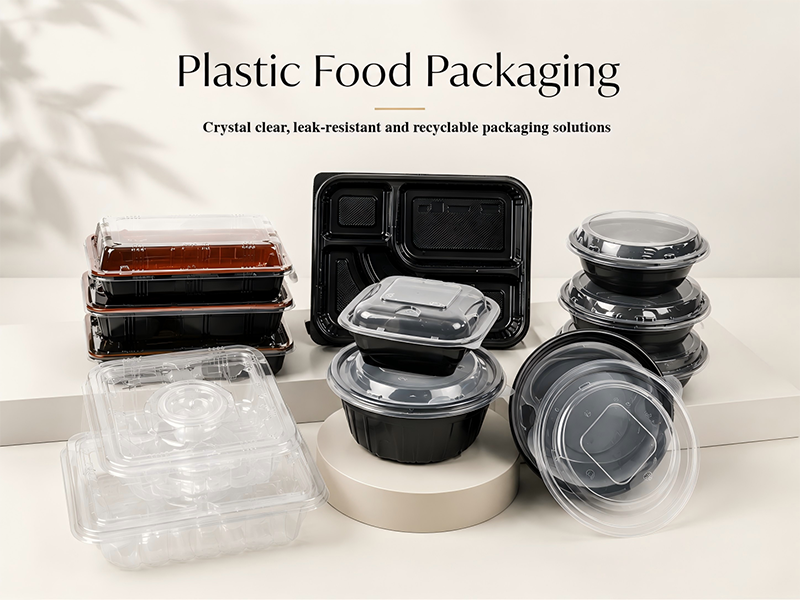 Plastic Food Packaging
 Fiber Pulp Food Packaging
 Kraft Paper Food Packaging
 Featured Products
 +86 18024107061
 Contact via email