When you're shopping for sugarcane bagasse packaging from China, you'll see plenty of plates, bowls, and food containers that look like they're made from pressed plant fiber. But here's the thing – just because something looks natural doesn't automatically mean it's PFAS-free. There are coatings, processing aids, and other additives that can sneak in during manufacturing, and those might leave traces in the final product. So yeah, the details really matter.
If you're an importer, a restaurant owner, or a food-service distributor, you're probably wondering: “PFAS in Sugarcane Bagasse Food Packaging — what exactly should I ask suppliers?” Well, here's the thing. You want a clear, straight answer on whether they're intentionally adding PFAS at all — not just for the final product, but also for any coatings, and honestly, the whole production process too. And don't just take their word for it — ask for current test reports for the specific item you're buying, not some generic company certificate. Dig into the details: which lab ran the tests, what method did they use, when were the samples taken, and what are the detection limits? Because, you know, every report has its limits—literally. Well, it's really about the samples and substances we actually tested—not, you know, every chemical under every possible use condition or anything like that.
So, when you're checking out a sugarcane bagasse food container, you really want to look at what the supplier says versus what you're actually planning to use it for. I mean, are we talking hot soup, something greasy, or zapping it in the microwave? That makes a big difference. And here's the thing – make sure the product they tested is the exact same one they're quoting you. Like, not just the same model, but the finish and any printed design on it. Because sometimes they'll test one version and then quote you another, and that's just asking for trouble. You know, it's a good idea to keep all your written answers and product specs in one place, and then actually go back and revisit them whenever materials or suppliers shift. I get it, that sounds like a bit of a hassle, but honestly, it's worth it. Because here's the thing: 'PFAS-free' can be interpreted a bunch of different ways unless the supplier actually defines what they mean and backs it up with solid evidence. Sure, a careful review won't magically erase every single uncertainty, but it does give you a way more solid footing when you're making sourcing decisions.
Sugarcane Bagasse Packaging: How the Fiber Is Turned into Food Containers
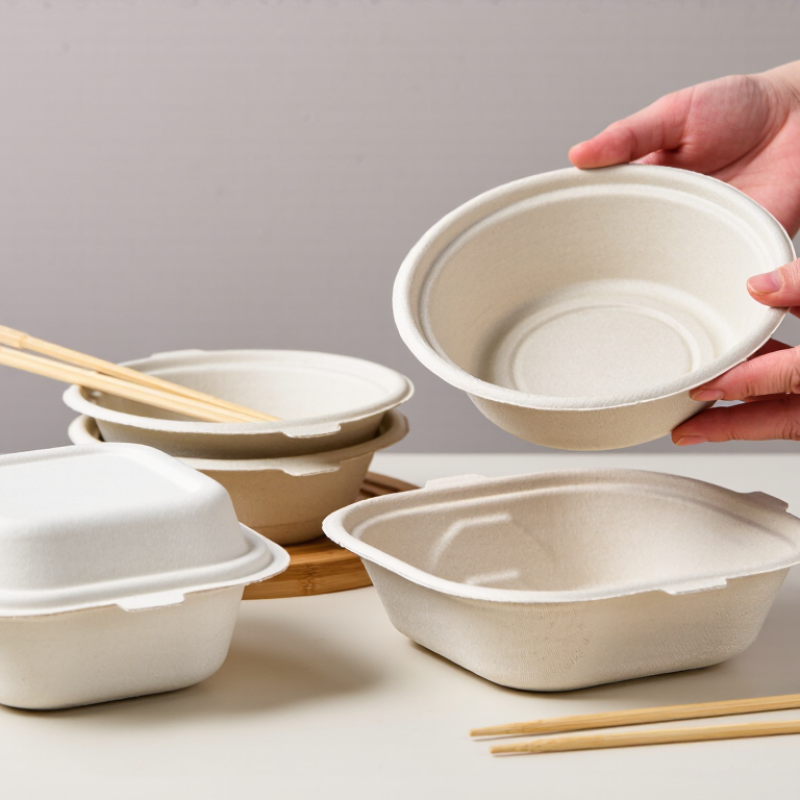
Sugarcane bagasse is the fibrous residue left after stalks are pressed for juice. Instead of treating it as waste, manufacturers can turn it into pulp for food containers. The dry fibers are cleaned, mixed with water, and refined into a soft, workable slurry. It feels a little like wet paper pulp.
The slurry is shaped in a mold. Screens help drain away water, while heat and pressure set the container’s form. A Sugarcane Bagasse Bowl may then be trimmed around its rim and checked for thin spots or rough edges. Small differences can occur because natural fibers do not behave exactly alike. The process is practical, but not magic.
The fiber itself does not confirm whether a finished container is PFAS free. Added coatings or processing aids may affect that answer, so buyers should review product-specific documentation and test information. A useful check is whether the information covers the finished food-contact item, not just the raw bagasse. That detail is easy to miss. Finished containers should also be assessed for strength, leakage, and performance with the foods they are meant to hold.
Sugarcane Bagasse Packaging: From Fiber to Food Container
The bars show the order of common manufacturing steps, not measured time or material quantities. Bagasse fiber alone does not prove that a finished container is PFAS-free: check the product’s coatings and additives, and request relevant testing or documentation.
PFAS Risk in Molded Fiber: Added Grease Barriers Matter More Than Plant Origin
Sugarcane bagasse is a plant fiber, but that alone cannot confirm a package is PFAS-free. During molding, manufacturers may add grease-resistant treatments to keep oil from soaking through. Those added barriers matter more than whether the base fiber came from sugarcane, bamboo, or another plant.
Look closely at the food-contact surface. A bowl holding hot, oily noodles faces a different challenge from a dry bakery tray. Ask the supplier whether a grease barrier is used, and request current test reports for the finished product. “PFAS-free” can mean different things unless the testing scope is clear. A targeted test may check selected compounds, while broader screening can help identify fluorine that needs further investigation. Neither claim should be treated as proof without details.
I would not rely on a material description alone. That is easy to do. Check whether reports identify the tested item, test method, and detection limits; packaging recipes can change. Even careful testing has limits, and a vague certificate may leave important questions unanswered. If the use is greasy or prolonged, ask for evidence on the exact molded-fiber item and its barrier, not just its raw bagasse pulp.
FDA’s 2024 Update: 35 PFAS Food-Contact Notifications Were No Longer Effective
In 2024, the FDA reported that 35 food-contact notifications for PFAS grease-proofing substances were no longer effective. These substances had been used to resist oil and grease in paper and paperboard packaging. The change followed manufacturers’ voluntary phaseout of those uses. It did not mean every PFAS had been removed from every food package.
That distinction matters. Sugarcane bagasse packaging is made from plant fiber, but the material alone cannot confirm whether a finished item is PFAS-free. Coatings, additives, and processing choices can differ. A tray that looks clean and feels dry offers no reliable proof about its chemical composition.
For buyers assessing bagasse plates or takeout boxes, request a current, product-specific statement from the supplier. Ask whether it covers the finished article, not only the raw fiber, and what testing or documentation supports the claim. Testing has limits, too; results depend on the method and the substances measured. It is easy to treat “no added PFAS” and “PFAS-free” as interchangeable, though they may describe different evidence. Ask for specifics. A clear answer should identify the scope of the claim and its supporting records.
EPA Method 1633 Measures 40 PFAS in Environmental Samples, Not Packaging
A “PFAS-free” claim cannot be confirmed just by citing EPA Method 1633. The method measures 40 specified PFAS in environmental samples, including water, soil, sediment, and biosolids. Packaging is not among its stated sample matrices. That matters. A result from a water or soil test cannot, on its own, verify a food container.
For Sugarcane Bagasse Containers, ask for testing conducted on the finished packaging, with the sample preparation and analytical method clearly identified. EPA Method 1633 can offer useful context, but it is not a packaging certification.
The OECD’s 2018 report compiled 4,730 PFAS-related CAS numbers, while Method 1633 targets 40 compounds. That gap means a non-detect result only addresses the compounds tested, not every substance that may fall within the broader PFAS group. Total-fluorine screening can flag fluorine, but it cannot identify specific PFAS.
I would read the test scope carefully. “Not detected” is not the same as “none present”; reporting limits and test coverage matter. (U.S. EPA, Method 1633; OECD, 2018)
Total Fluorine Screening and Targeted PFAS Testing: What Results Can Show
Total fluorine screening provides a broad first look at Sugarcane Food Packaging. It measures fluorine in a sample but does not identify which compounds contain it. A detected level may come from PFAS or another fluorine source. This screen is useful, but it cannot answer every question.
Targeted PFAS testing looks for named compounds and reports their measured levels, often alongside detection limits. The findings depend on the test list and laboratory method. A result with no detections means the tested compounds were not found above the stated limits; it does not establish that every PFAS is absent. That distinction matters.
For a more useful assessment, test representative packaging samples and record the production lot, sample area, and food-contact side. Keep the laboratory’s method and reporting limits with the results. Small details matter. A reassuring result can still leave gaps if the sample was unrepresentative or the target list was narrow. I would describe exactly what was tested, rather than rely on a simple “PFAS-free” label.
Assessing Chinese Suppliers: Request Test Reports, Declarations, and Batch Records
When assessing Chinese suppliers of Sugarcane Pulp Packaging, request evidence tied to the exact product, not a general company statement. Ask for a PFAS test report that identifies the tested material, sampling date, laboratory, and analytical method. Check whether the sample included the finished item, including coatings, grease barriers, inks, and lids where applicable. A report for plain pulp may not represent a coated food container.
Paperwork matters. Request a signed declaration describing what “PFAS-free” means and which substances or screening limits it covers. Then compare the declaration with the report: product names, specifications, and dates should align. Ask for batch records showing when the goods were produced and which raw-material lots were used. This helps connect a test result to the shipment you will actually receive, rather than to a similar sample from months earlier.
Look closely at scope and gaps. A non-detect result does not necessarily mean every PFAS compound was tested; detection limits matter. Request clarification when the report omits methods or gives only a broad product category. Still, gaps happen. Supplier records can be incomplete, and that is worth discussing before an order is placed. Keep copies of the reviewed documents and confirm that production changes trigger updated records or testing.
Choosing Round Kraft Paper Containers for Sushi, Salads, and Takeaway Meals
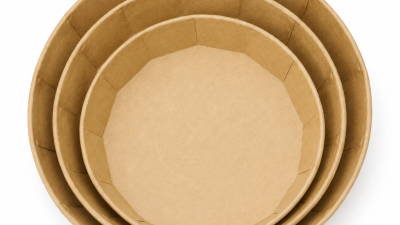
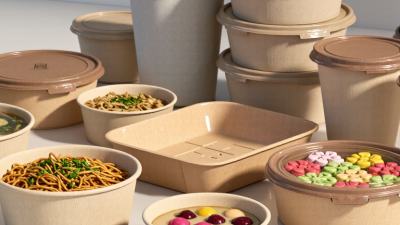
Choosing the right round kraft paper container can make takeaway meals easier to serve, carry, and enjoy. For sushi, salads, rice dishes, or noodles, a sturdy paper bowl offers a practical alternative to bulky reusable tableware. Durable kraft paper keeps the container lightweight and disposable, while its grease-resistant, leak-proof construction helps protect bags and surfaces during delivery. Its natural appearance also suits food businesses looking for simple, polished packaging that lets the meal take center stage.
For a flexible serving range, round kraft containers are available in three sizes: PH-61, PH-63, and PH-65. This choice makes it easier to match portions, from a side salad or sushi serving to a more substantial takeaway meal. Secure PET lids help keep food in place during transport and provide a clear view of the contents, which is especially useful for displaying fresh salads and neatly arranged sushi. A carefully developed container structure adds functionality for everyday foodservice use, helping restaurants and caterers pack orders efficiently while keeping presentation and convenience in mind.
Conclusion
Sugarcane bagasse food containers are made by processing leftover sugarcane fibers into pulp, then shaping and drying the pulp in molds. The plant-based material itself does not establish whether a finished product is PFAS-free: added coatings or grease-resistant treatments are more relevant. Buyers should therefore look beyond the raw fiber and ask how the finished packaging is treated. PFAS in Sugarcane Bagasse Food Packaging: What Should Buyers Ask Suppliers? is a useful starting point for those questions.
A 2024 update noted that 35 PFAS food-contact notifications were no longer effective, but this does not by itself verify the composition of every product. EPA Method 1633 measures 40 PFAS in environmental samples, not packaging, so it should not be treated as a packaging test. Total-fluorine screening can indicate whether fluorine is present, while targeted PFAS testing can identify specific compounds within a test’s scope. Buyers assessing suppliers in China can request relevant test reports, written declarations about treatments and materials, and batch records that connect documentation to the products supplied.
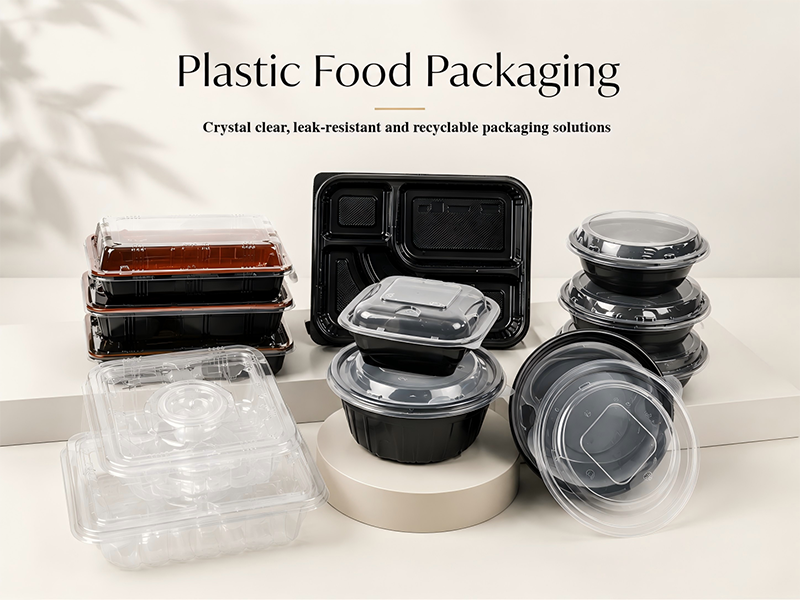 Plastic Food Packaging
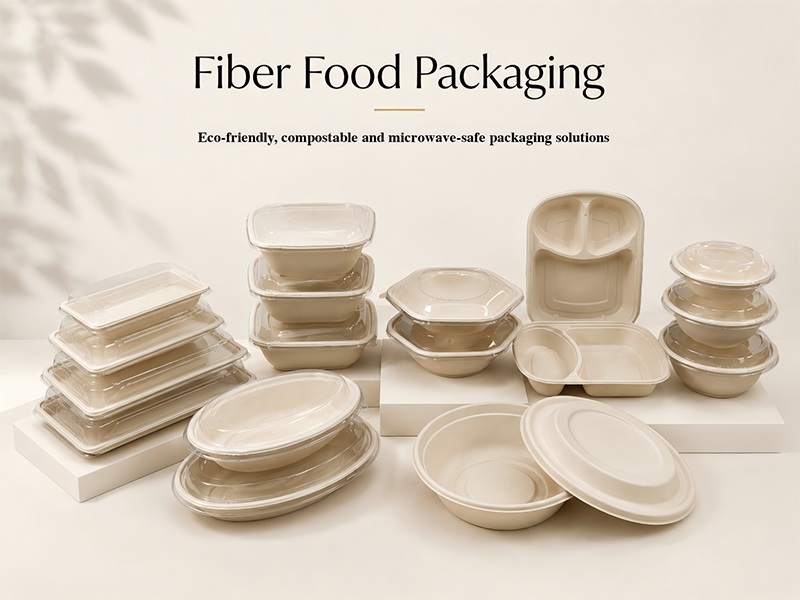 Fiber Pulp Food Packaging
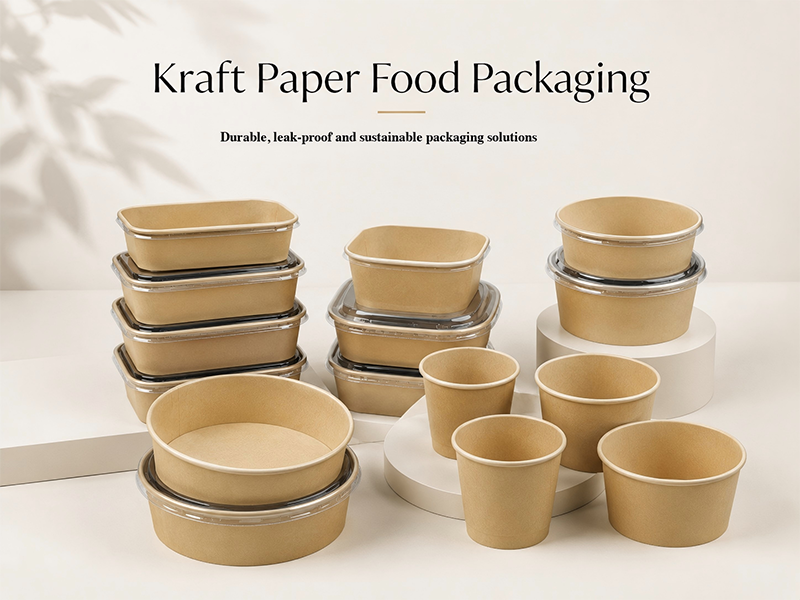 Kraft Paper Food Packaging
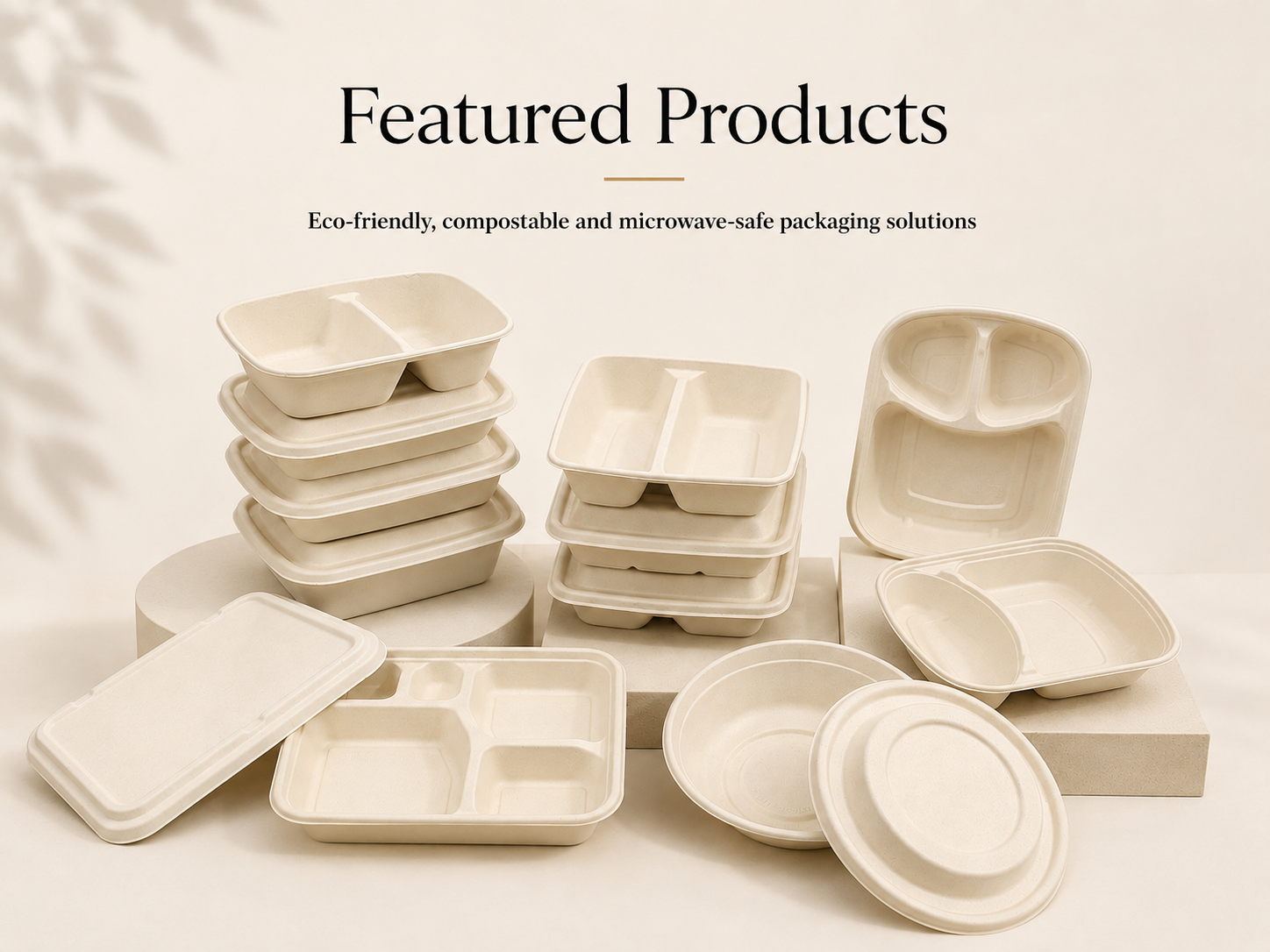 Featured Products
 +86 18024107061
 Contact via email