Leave Your Message
0%

Picking the right material for food packaging containers? Honestly, it's not just about the price. Top suppliers in China have to balance a ton of factors—food safety, keeping the product safe, manufacturing speed, recycling targets, and regulations that never stop changing. Like, a clear plastic lid might be great for showing freshness, but a multilayer pouch often wins when it comes to protecting oil, aroma, and moisture. So yeah, every choice has its trade-offs.

The OECD’s Global Plastics Outlook came out with a pretty striking number: back in 2019, packaging was responsible for roughly 40% of all plastic waste worldwide. That kind of stat goes a long way toward explaining why regulators are now digging into everything from reducing materials in the first place to recycled content, chemical migration, and what actually happens to products at the end of their life. And over in Europe, the EU’s Packaging and Packaging Waste Regulation is piling on even more pressure for suppliers to step up their recyclability and packaging efficiency game. Here's the thing about China's food-contact standards—they're pretty strict about controlling raw materials, additives, and migration performance. For suppliers, that can be a real game-changer. You might have to move from ordinary polypropylene to something more high-performance, or even switch from plastic to paper with a functional barrier. It's not always straightforward, but that's just what compliance demands.

So, how do packaging regulations actually influence the materials used for food containers? Jane Muncke, the managing director at the Food Packaging Forum, put it pretty bluntly: “Food packaging is a significant source of human exposure to chemicals.” That warning makes compliance a bit more practical. It’s not just about picking something that looks sustainable and calling it a day—suppliers have to test whatever actually touches the food. And then there’s the whole traceability thing: they need to track materials from resin pellets all the way to the finished container. You'd be surprised how much the little things count—hot soup, oily sauces, sitting in a freezer, or getting jostled around in transit over and over again.

Honestly, no single material nails every test. That's the tricky part. A recyclable option might need stronger barriers. A safer one could cost more. And some supplier claims? Yeah, those still need a closer look. In this intro, we'll explore how top Chinese manufacturers weigh their material choices, interpret the rules, and ultimately make calls that keep both the food and their reputation safe.

How Do China Top Suppliers Choose Food Container Materials

Understanding the Role of Materials in Food Container Selection

How Do China Top Suppliers Choose Food Container Materials

Understanding the Role of Materials in Food Container Selection

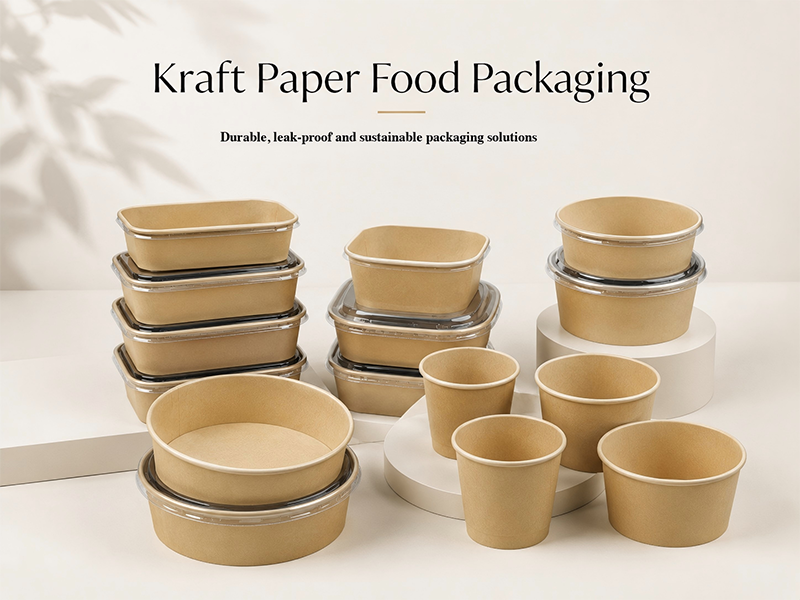
For leading suppliers, material choice begins with the food itself. A hot noodle dish needs heat resistance and a secure seal. A chilled salad needs moisture control. Dry pastries require protection from grease and crushing. Paper Food Packaging Containers may look simple, but their fiber structure, coating, and lid fit affect real performance. Good suppliers study serving temperature, storage time, transport distance, and filling equipment before recommending a material. Appearance comes later.

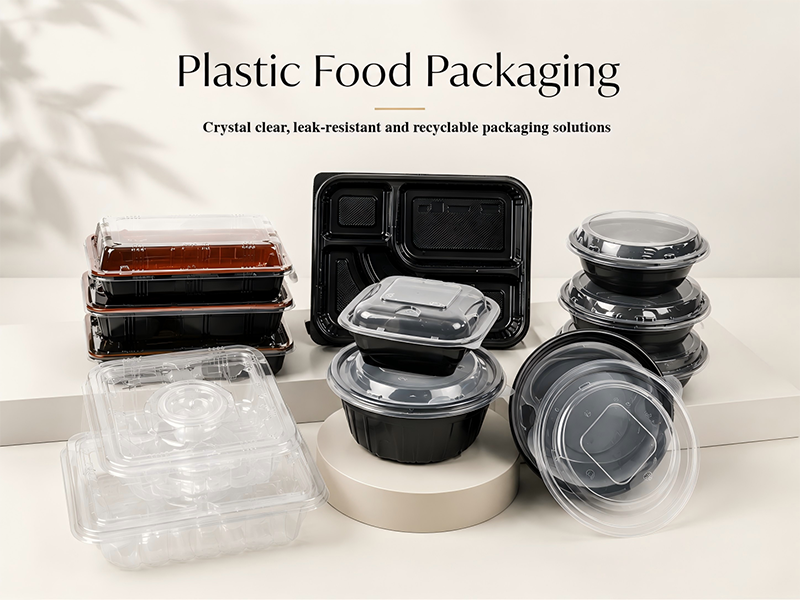
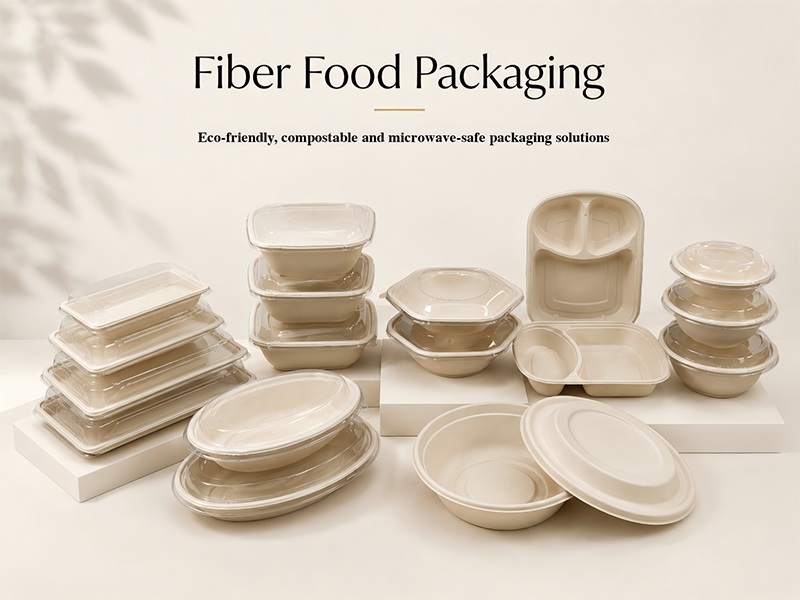
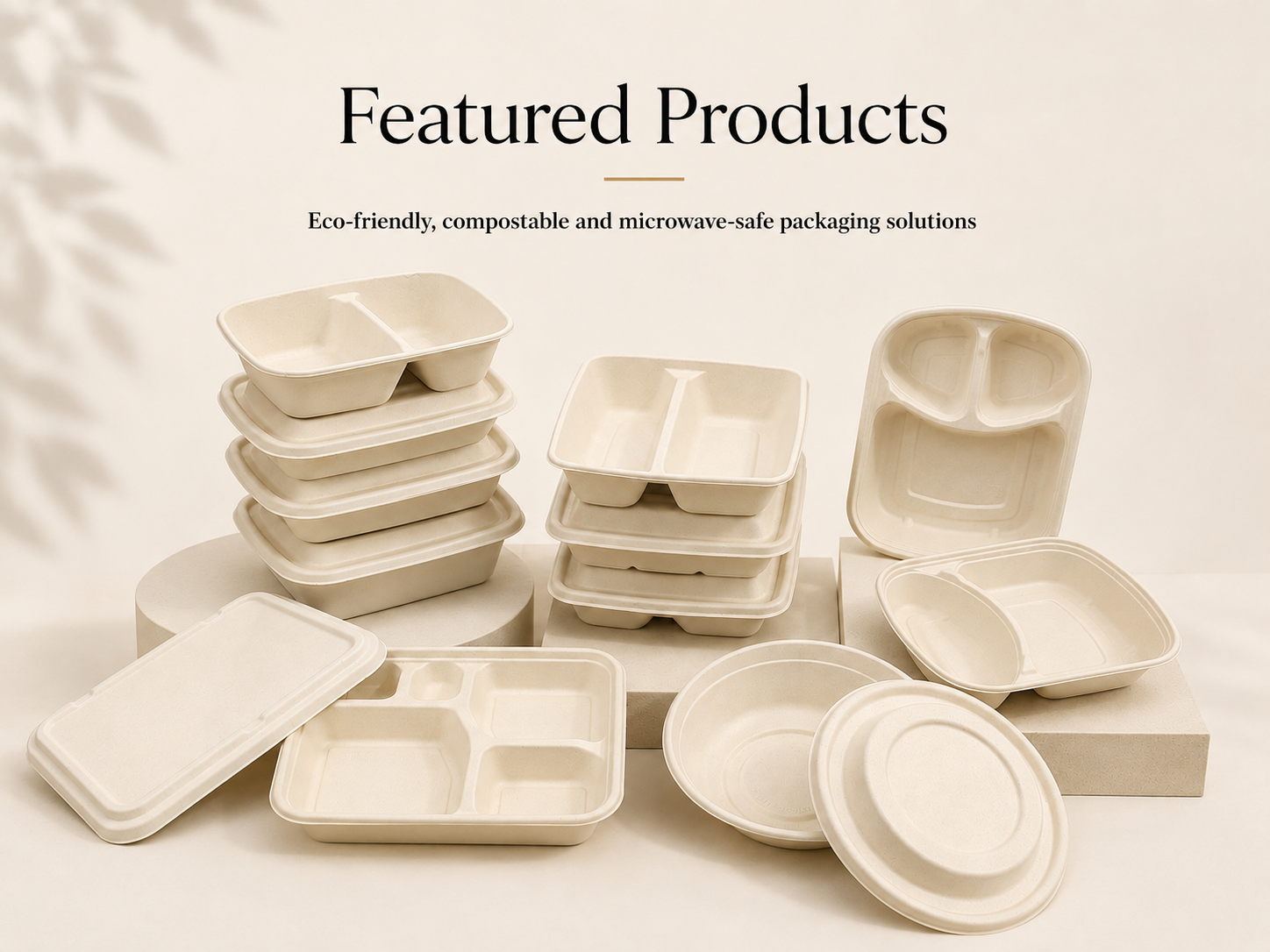
Each material involves practical trade-offs. Food-grade paper can offer a lighter feel and a natural appearance. Its barrier layer must still resist oil and moisture. Molded fiber can provide firmness, but uneven edges may affect sealing. Plastic containers can perform well with liquids, although weight, recycling systems, and customer expectations require careful review. Recycled content may also need additional testing for food-contact use. These details matter.

In factory trials, experienced teams check leakage, compression, heat exposure, and stacking stability. They may fill containers, close them, and leave them overnight. A sample that passes a short test can still fail during long-distance delivery. I have seen attractive designs weaken when condensation formed under the lid. That result is easy to overlook. Suppliers should document test conditions, material specifications, and production changes. They should also question their own assumptions when actual use differs from the laboratory sample.

Identifying Food Safety and Regulatory Requirements

How Do China Top Suppliers Choose Food Container Materials?

Top suppliers do not choose food container materials by price alone. They begin with the food type, filling temperature, storage time, and delivery conditions. A container for oily sauce needs different resistance from one holding dry grains. Material selection also depends on sealing pressure, freezing, and microwave exposure. During supplier reviews, I check food-contact documentation, batch traceability, and production specifications. These records make technical claims easier to verify.

Regulatory requirements differ by destination market. Suppliers should confirm applicable limits for overall migration, specific substances, heavy metals, inks, adhesives, and recycled content. Migration tests should match real use, including heat, acidity, and fatty foods. An impressive certificate is not enough. The test sample must match the final material, thickness, color, and manufacturing process. This detail is often missed. We sometimes focus too heavily on documents and not enough on factory consistency. Regular testing and retained samples provide stronger evidence.

Tips: Ask for the material declaration and recent test reports. Confirm the laboratory’s competence. Review food-contact symbols and usage temperatures. Keep purchase samples from each production lot. If a supplier cannot explain a material’s limits clearly, pause the order and investigate further.

Comparing Common Materials Used in Food Containers

Material choice shapes food safety, shelf life, cost, and waste. Experienced suppliers begin with the food itself. Moist sauces need strong moisture barriers. Hot meals require heat-resistant structures. Dry snacks often need oxygen and humidity control.

Plastic remains common because it is light, sealable, and adaptable. OECD’s Global Plastics Outlook reports that packaging represented about 40% of global plastic use in 2019. However, material efficiency is not enough. A thin container that leaks can create more food waste. FAO estimates that 14% of food is lost between harvest and retail. That makes protection a practical sustainability issue.

Paperboard offers a firm surface and a familiar appearance. Without a suitable coating, it can weaken around soup or oil. Aluminum provides excellent light and oxygen protection, but its energy footprint deserves careful review. Glass is inert and highly transparent, yet it is heavy and breakable during transport. Compostable materials may support specific waste systems, but they do not automatically decompose everywhere. Local infrastructure matters.

Suppliers compare barrier performance, sealing temperature, transport distance, and disposal conditions. Disposable Food Packaging Containers should also pass migration, durability, and food-contact evaluations. Laboratory figures can look convincing. Real kitchens are messier. Condensation, uneven filling, and rushed sealing still expose weak designs. A balanced specification usually beats the cheapest material.

Evaluating Durability, Heat Resistance, and Barrier Performance

How Do China Top Suppliers Choose Food Container Materials

Top food-container suppliers select materials by studying the product, filling process, and delivery conditions. A container for hot soup needs different performance from one holding dry snacks. Durability matters during stacking, transport, and repeated handling. A thin lid may look efficient, yet it can warp under pressure or crack in cold storage. Drop tests, compression checks, and seal inspections reveal weaknesses early. Small failures matter.

Heat resistance requires practical testing, not assumptions. Suppliers may assess containers after hot filling, reheating, or short-term freezer storage. Polypropylene can perform well in many heated applications, while paper-based structures often need protective coatings. However, coating performance depends on temperature, moisture, and contact time. One test is never enough. Production trials should match real kitchen conditions, including uneven heating and sudden temperature changes.

Barrier performance protects freshness and product quality. Moisture barriers help prevent soggy snacks, while oxygen barriers slow flavor loss and oxidation. Grease resistance is essential for oily meals and sauces. Suppliers examine film thickness, layer bonding, seal strength, and leakage after handling. For Eco Friendly Food Packaging Containers, renewable or reduced-material options still need credible barrier data. A greener structure that fails during transport creates avoidable waste. That trade-off deserves more reflection. Sometimes, a slightly heavier container delivers safer performance and less food loss.

Balancing Production Cost, Sustainability, and Market Demand

How Do China Top Suppliers Choose Food Container Materials

For Chinese food-container suppliers, material selection starts with the product, not a sustainability slogan. Hot soup needs heat resistance, while fresh produce needs ventilation and moisture control. Polypropylene often supports repeated heating and efficient molding. Paperboard can reduce plastic use, but coatings may complicate recycling. Aluminum offers strong barriers, yet its forming and energy costs remain significant.

Cost pressure is real. The OECD Global Plastics Outlook reports that only 9% of plastic waste was recycled globally in 2019. This figure pushes suppliers to consider recycled content, mono-material designs, and thinner walls. However, lightweighting cannot weaken seals or increase food loss. A cheaper container that leaks during transport creates waste and damages buyer trust. Small details matter, including lid fit, stacking strength, and factory scrap rates.

Market demand is becoming more specific. UNEP’s 2023 Turning off the Tap report says plastic pollution could be reduced by 80% by 2040 through reuse, recycling, and material reduction. Suppliers therefore test paper, recycled polymers, and reusable formats against real production conditions. The answer is not always perfect. Some “green” materials need extra layers or higher temperatures, reducing their environmental advantage. Experienced teams compare cost, carbon impact, shelf life, and local recycling access before changing a proven design. Mistakes still happen. That is why pilot runs and third-party food-contact testing remain essential.

How Do China Top Suppliers Choose Food Container Materials - Balancing Production Cost, Sustainability, and Market Demand
Material Typical Food-Container Applications Indicative Material Cost
(USD/kg)
Typical Temperature Range Recyclability or Compostability Production Cost Position Market Demand Main Sustainability Consideration Key Purchasing Trade-Off
Polypropylene (PP) Reusable meal-prep boxes, microwaveable takeaway containers, deli tubs and lids $1.00–$1.60 Approximately −20°C to 120°C, depending on grade and design Widely recyclable where polypropylene collection and reprocessing systems exist Low High Lightweight and durable, but recycling performance depends on local collection, sorting and food-residue control Strong balance of price, heat resistance and durability; less suitable when a premium paper-based appearance is required
Polyethylene Terephthalate (PET) Clear cold-food trays, fruit containers, salad boxes and beverage-related packaging $1.10–$1.70 Approximately −40°C to 60°C for common food-packaging formats Widely recyclable in established PET collection systems; clear PET is generally valuable to recyclers Low to medium High High clarity and lightweighting can reduce material use; multilayer structures may reduce recyclability Excellent product visibility and supply availability, but limited for high-temperature filling or microwave use
High-Density Polyethylene (HDPE) Cold-food tubs, bottles, containers for sauces, dairy products and food ingredients $1.00–$1.60 Approximately −40°C to 80°C, depending on grade and container design Widely recyclable where HDPE collection is available Low Medium to high Good strength-to-weight ratio and chemical resistance; opaque appearance can limit recycled-material sorting value Cost-effective and robust, but provides less transparency than PET and is not ideal for oven applications
Polystyrene (PS) Lightweight chilled-food trays, bakery packaging and selected disposable food containers $1.20–$1.80 Approximately −20°C to 70°C; foamed formats have more limited heat performance Technically recyclable, but collection and economic recycling availability are limited in many regions Low Declining Low weight reduces transport emissions, but low recycling rates and restrictions on some disposable formats create market risk Low manufacturing cost and good insulation versus weaker regulatory and sustainability acceptance
Paperboard with Water-Based or Polymer Coating Takeaway boxes, bakery cartons, meal sleeves and dry-food cartons $1.20–$2.20 Generally suitable for ambient and hot-food service; exact performance depends on coating and moisture exposure Paper fiber can be recyclable when coatings and food contamination allow; some formats require specialized processing Medium High Renewable fiber content can reduce fossil-plastic use, but coatings, inks and food contamination affect end-of-life recovery Strong consumer appeal and printable surface, balanced against moisture resistance and higher material or converting costs
Bagasse Fiber Plates, bowls, clamshells and takeaway containers for hot or greasy foods $1.50–$3.00 Commonly suitable for hot-food service; exact temperature limits vary by molded-fiber formulation Often industrially compostable when certified and processed under suitable conditions; local acceptance varies Medium to high High Uses agricultural residue fiber and can reduce reliance on virgin plastic; coatings may affect compostability Good sustainability positioning and rigidity, but higher tooling, moisture-barrier and freight costs can reduce price competitiveness
Molded Pulp Protective food trays, egg packaging, produce inserts and selected takeaway formats $1.30–$2.80 Generally intended for ambient or refrigerated applications unless specially treated Usually recyclable as paper fiber when clean and compatible with local systems; coatings can change the result Medium Medium to high Fiber-based structure can use recycled or renewable feedstock, but water, energy and barrier treatments must be managed Useful for low-plastic designs, but lower moisture and grease resistance may require liners or coatings
Aluminum Ready-meal trays, foil containers, baking trays and shelf-stable food packaging $2.20–$3.80 Approximately −40°C to 250°C or higher, depending on alloy and coating Highly recyclable when collected; recycling can retain material value through multiple cycles High Medium to high Primary aluminum is energy-intensive, while recycled aluminum generally requires substantially less energy than primary production Excellent heat performance and barrier protection, offset by higher raw-material costs and energy-intensive primary production
Glass Jars, bottles, premium sauces, baby food and reusable food-storage containers $0.80–$1.50 per kg of glass material Approximately −20°C to 250°C or higher, depending on glass type and thermal-shock design Highly recyclable where collection and color sorting systems are available High Medium Inert and reusable, but heavy weight increases transport emissions and breakage risk Strong barrier properties and premium perception, balanced against weight, freight cost and handling requirements
Data note: Cost figures are indicative bulk-material ranges and vary by resin grade, recycled content, order volume, energy prices, exchange rates and contract terms. Temperature ranges are general packaging guidelines rather than product-specific certifications. Actual recycling and composting outcomes depend on local collection infrastructure, food contamination, coatings and applicable regulations.

Testing Material Quality Before Large-Scale Manufacturing

How Do China Top Suppliers Choose Food Container Materials

Before large-scale manufacturing, experienced suppliers test more than appearance. They examine resin composition, wall thickness, odor, leakage, heat resistance, and migration performance. A container may look strong yet deform beside a hot filling line. Small samples can hide weak corners.

The OECD’s Global Plastics Outlook reports that packaging represented about 40% of global plastic waste in 2019. This pressure makes material selection more important, not easier. For Biodegradable Food Packaging Containers, suppliers should verify compostability claims through recognized laboratory methods. They should also check moisture resistance, seal strength, and shelf stability. Testing should follow documented procedures, preferably through ISO/IEC 17025-accredited laboratories. Food-contact testing must match the intended temperature, food type, and storage period. One test is never enough.

Tips: Request the full material specification, batch number, and test conditions. Keep retained samples from every pilot batch. Compare results after repeated heating and cooling cycles. Do not trust a glossy certificate alone. A failed pilot feels expensive, but mass production multiplies that cost quickly. Some teams still test only one production sample, which is a weak habit. Sampling across different batches gives a more realistic picture. No laboratory result predicts every kitchen, either. Field feedback should remain part of the review.

FAQS

How should suppliers choose a food container material?

They should study the food, filling temperature, storage conditions, and delivery distance. Soup needs moisture protection. Dry snacks need oxygen and humidity control.

Why is plastic commonly used for food containers?

Plastic is lightweight, sealable, and adaptable to many shapes. However, a thin container may leak or increase food waste.

What are the main weaknesses of paperboard containers?

Paperboard provides a firm, familiar surface. Without suitable coating, soup, oil, and condensation can weaken it.

When is glass a suitable material?

Glass is inert, transparent, and useful when product visibility matters. It is also heavy and can break during transport.

How can suppliers test heat resistance?

They can test hot filling, reheating, freezer storage, and sudden temperature changes. One test is never enough. Real kitchens are uneven.

What does barrier performance protect against?

Moisture barriers help prevent soggy snacks. Oxygen barriers slow flavor loss, while grease resistance supports oily meals and sauces.

What tests should be completed before mass production?

Suppliers should check wall thickness, odor, leakage, seal strength, heat resistance, and food-contact safety. They should test samples from different batches.

Are environmentally preferable materials always the best choice?

No. Reduced-material or compostable structures still need reliable barrier and sealing performance. Local disposal systems matter, and greener materials can sometimes fail sooner.

Conclusion

Selecting the right material is one of the most important decisions for food container manufacturers. How Do Packaging Regulations Influence Material Selection for Food Containers? They require suppliers to consider food-contact safety, chemical stability, labeling rules, and the conditions in which containers will be used. Materials such as plastics, glass, paper-based composites, and metals each offer different advantages in strength, transparency, weight, recyclability, and protection against moisture, oxygen, or odors. The best choice depends on the product, filling process, storage environment, and customer expectations.

Top suppliers also compare durability, heat resistance, sealing performance, and barrier protection while balancing production cost with sustainability and market demand. A material that is inexpensive may not provide enough protection, while a highly durable option may increase weight or manufacturing expenses. Before large-scale production, suppliers should conduct tests for leakage, temperature tolerance, migration safety, mechanical strength, and shelf-life performance. This careful evaluation helps ensure that the final container is safe, practical, consistent, and suitable for both manufacturers and consumers.

Alexander

Alexander

Alexander is a dedicated marketing professional at Foshan City Harvest Packaging Co., Ltd., a pivotal manufacturing and service hub nestled in Guangdong Province. With a profound expertise in food packaging solutions, Alexander plays a crucial role in promoting the company's commitment to......
Previous How to Choose Quality Molded Fiber Food Containers in 2026?