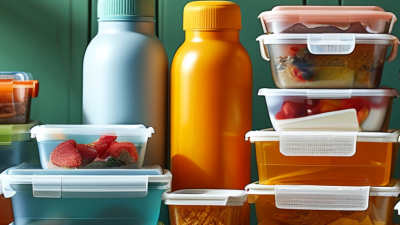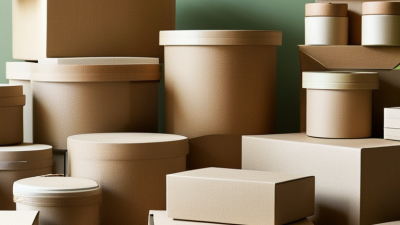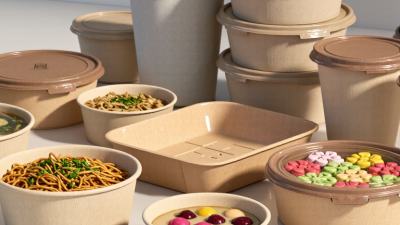
Choosing Food Packaging Boxes is not a simple matter of selecting attractive colors and a low price. Each box must protect the food, support safe handling, and fit your daily production rhythm. A bakery may need grease-resistant cartons, while a meal-preparation company may require stronger Boxes Lunch Boxes for transport and stacking. The right choice begins with the product itself.
Packaging consultant Kevin Kelly, formerly associated with Emerald Packaging, says, “Good packaging protects the product, communicates its value, and avoids unnecessary material.” This principle is useful, but it is not complete. Real decisions also depend on moisture, temperature, filling speed, storage space, and customer expectations. A beautiful box can still fail when sauce leaks through its seams. That mistake can be expensive.
Reliable buyers should request samples before placing large orders. Test them with the actual food, not an empty display sample. Check the folding quality, print clarity, closure strength, and performance after refrigeration or reheating. Ask suppliers about material composition, food-contact suitability, production consistency, and quality-control procedures. Clear documentation matters.
Experience matters here.
A small restaurant may value flexible minimum orders more than premium finishes. A growing brand may need stable supply and repeatable colors across several product sizes. Sustainable claims also deserve careful review. “Eco-friendly” sounds convincing, yet the real impact depends on material sourcing, manufacturing, transport, and disposal conditions.
There is no perfect box. There is only a more responsible fit for your product, budget, workflow, and customers. Reflect on every compromise before choosing Food Packaging Boxes.
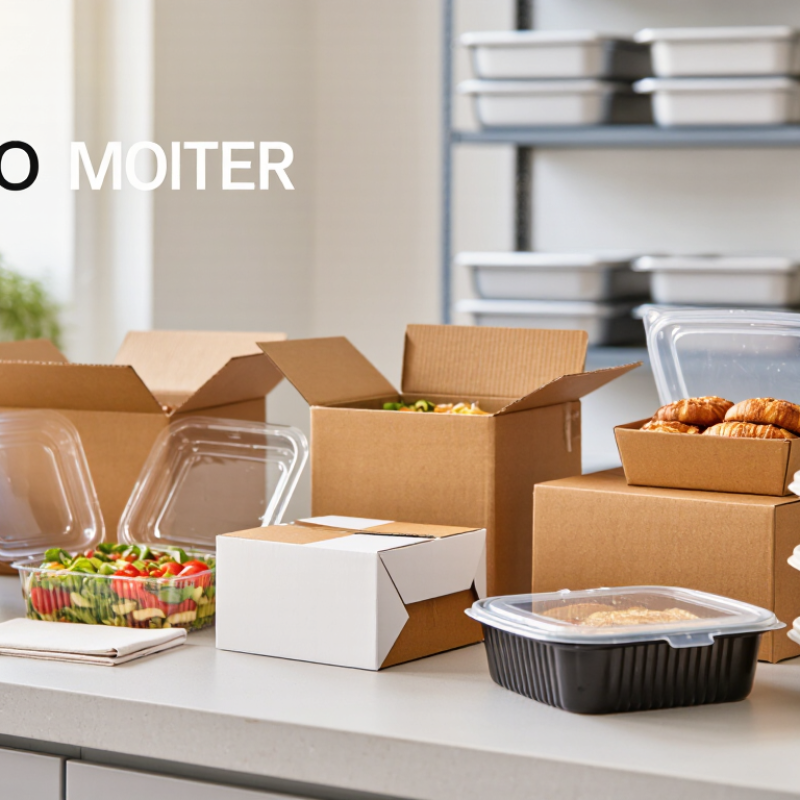
Choosing Food Packaging Boxes starts with understanding the product, not the box design. A dry pastry needs different protection than a chilled sauce. Consider moisture, grease, temperature, weight, and expected shelf life. A warm product may soften weak board and damage printed surfaces. Test the box with the actual food, including sauces and oils.
Measure the product carefully. Leave enough space for safe filling, but avoid excessive movement during delivery. I once tested a box that looked suitable, yet its corners collapsed after repeated handling. That mistake showed me the value of realistic trials. Check stacking strength, closure security, storage conditions, and customer opening habits. Confirm that the materials meet applicable food-contact requirements in your selling region.
Tips: Place a filled sample in the box for 24 hours. Shake it gently, stack several units, and inspect the corners. Test refrigeration or heat when needed. Record leaks, stains, crushed edges, and difficult closures. Small flaws matter. Ask staff to pack the box quickly, because real work is rarely perfect. Consider recycled or recyclable materials, but verify their performance before making environmental claims. A practical box should protect the food, fit your process, and remain reliable from storage to the customer’s hands.
Choosing food packaging boxes starts with the product, not the logo. Hot soup needs leak resistance and stable seams. Dry pastries need breathability and crush protection. For Disposable Food Packaging Boxes, test the box with real portions, sauces, oil, and delivery time.
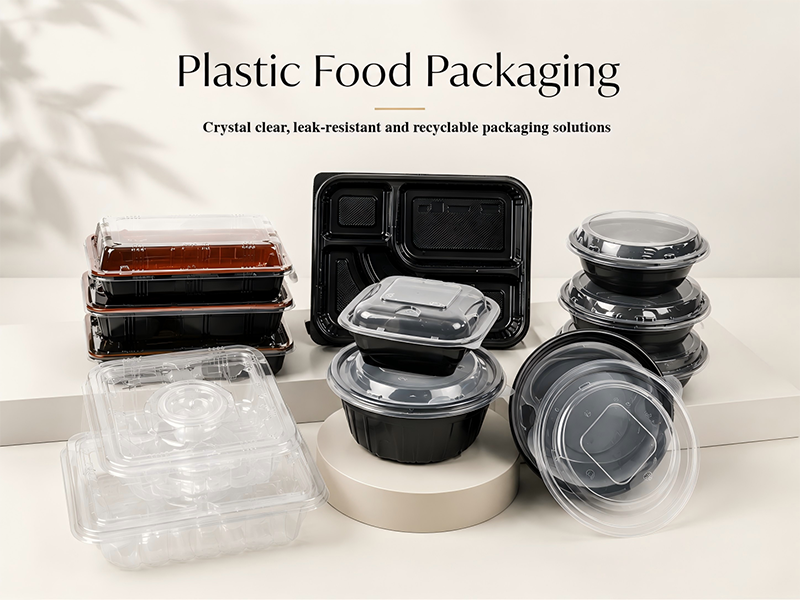
Corrugated fiberboard offers strength and efficient stacking, but exposed fibers soften quickly. Paperboard with a food-safe coating handles grease better, although recycling can become harder when layers cannot separate. Molded fiber suits bakery items and takeaway meals, yet its rough surface may absorb moisture. Plastic boxes, such as polypropylene or PET, resist leaks and show the food clearly. They can perform well, but material recovery depends on local systems. The box must also meet applicable food-contact requirements, including migration and temperature limits.
The 2024 UNEP Food Waste Index Report estimated 1.05 billion tonnes of food waste in 2022. Packaging cannot solve waste alone, but preventing spills and crushing can protect more food during delivery. A 2024 Smithers market analysis also identifies barrier performance, convenience, and sustainability as major packaging development pressures. Measure before choosing.
Check the closure by turning a filled box upside down for ten seconds. Then stack five boxes and inspect the bottom one. I once underestimated steam from fried food; the coating softened faster than expected. That mistake matters. Ask suppliers for food-contact declarations, coating details, and test results. A cheaper box may create more waste through soggy bases, returned meals, or damaged products.
This comparative benchmark rates common food-packaging materials from 1 to 5, where 5 indicates stronger overall performance. Corrugated fiberboard and paperboard are lightweight and widely recyclable, while molded pulp offers a fiber-based option for dry foods. PET provides strong moisture and grease resistance, and aluminum delivers excellent barrier protection but usually requires more energy to produce. Always confirm food-contact compliance with the applicable local regulations before production.
Choosing food packaging boxes begins with the product, not the artwork. Measure the food, sauce containers, inserts, and required headspace. A box that is 20% too large can increase material use, shipping volume, and movement during delivery. A tight fit can crush pastries or split a damp carton.
The U.S. Environmental Protection Agency reported 82.2 million tons of containers and packaging in municipal solid waste in 2018, representing 28.1% of the total. This figure makes right-sizing more than a design preference. It becomes an operational decision.
Test several prototypes with real food, condensation, and stacking pressure. I once underestimated headspace for a lidded meal tray. The box closed, but the corners weakened after refrigeration. That mistake was avoidable.
Structural design should match the handling journey. Use locking tabs for quick assembly, reinforced corners for stacked meals, and grease-resistant food-contact materials where necessary. Avoid oversized windows or complex inserts unless they protect the product.
According to McKinsey’s 2020 global packaging survey, more than 60% of consumers said they would pay more for sustainable packaging. Still, consumer interest does not excuse poor performance. Eco Friendly Food Packaging Boxes should reduce unnecessary board while protecting freshness and appearance.
Review the design after delivery tests. Real conditions often expose assumptions.
Protection starts with the product, not the box. Check moisture, temperature, weight, and impact sensitivity. A crisp snack needs a dry, rigid interior. Fresh produce needs ventilation and controlled compression. FAO reported that 13.2% of food was lost between harvest and retail in 2021. Packaging cannot solve every loss, but poor packaging can increase it.
Measure the full supply chain. Record pallet height, stacking time, vehicle vibration, and storage humidity. Use an inner liner when grease or moisture may weaken paperboard. Select a box that fits closely, but leaves room for protective cushioning. Excess space encourages movement. Too little space creates crushing pressure. ISTA recommends laboratory simulation for common transport hazards, including drops, vibration, and compression. A small trial shipment is still valuable.
Test before ordering thousands. Inspect corner damage, seal failure, odor transfer, and product shifting. I once assumed thicker board meant better protection. It did not. The closure failed first. That mistake showed why box design must be tested as a system. UNEP estimated 1.05 billion tonnes of food waste in 2022. Better storage and transport decisions can reduce avoidable damage, though packaging also creates material impacts. Compare recycled content, recovery options, and total material use. A lighter box may be efficient, but only if it arrives intact.
How to Choose Food Packaging Boxes for Your Business?
Your box should communicate the brand before the first bite. Start with packaging features that support your positioning. A rigid box can suggest quality, while a simple kraft structure may feel natural and practical. According to McKinsey & Company’s 2023 global packaging survey, 60% to 70% of consumers consider sustainability an important packaging factor. However, appearance still influences trust. Use color, texture, and opening style together, not separately.
For an environmentally focused identity, consider Biodegradable Food Packaging Boxes with clear material information. The Sustainable Packaging Coalition recommends evaluating the full packaging system, including sourcing, production, use, and disposal. A compostable-looking finish is not enough. Customers may question vague claims. Keep the message specific. Mention fiber content, disposal guidance, or reduced material use where evidence supports it. Reliability matters more than fashionable wording.
Test the box with real products. A sauce container may leak, crush corners, or stain uncoated paper. I have seen attractive samples fail during delivery tests. That mistake is useful, but expensive. Smithers’ 2024 packaging market analysis highlights continued demand for lightweight and sustainable formats, yet performance cannot be sacrificed. Check stacking strength, moisture resistance, print consistency, and opening comfort. The first mock-up is rarely right. Your packaging should look distinctive on a shelf and remain dependable in a customer’s hands.
A practical comparison of common food packaging formats, material features, and branding applications.
| Packaging Format | Common Material | Key Functional Features | Branding & Print Potential | Typical Sustainability Considerations | Relative Cost Level | Best Branding Goal |
|---|---|---|---|---|---|---|
| Folding Carton | Paperboard, often coated or uncoated | Lightweight, easy to die-cut, suitable for dry and lightweight foods; can be designed with tuck or locking flaps. | Excellent surface for offset, digital, or flexographic printing; supports custom shapes, windows, embossing, and foil details. | Paperboard is commonly recyclable where local facilities accept it. Plastic coatings and mixed-material windows may affect recyclability. | Low to medium | High-impact shelf presentation and strong visual storytelling |
| Corrugated Shipping Box | Linerboard with a fluted paperboard center | Provides cushioning and stacking strength; suitable for shipping multipacks, subscription orders, and larger food assortments. | Supports kraft-style graphics, one- or two-color printing, labels, inserts, and inside-lid messages. | Widely recyclable when clean and dry. Recycled fiber content and water-based inks can support sustainability messaging. | Medium | Reliable delivery experience and practical, eco-conscious positioning |
| Rigid Setup Box | Thick paperboard wrapped with printed paper | Highly rigid, premium feel, and strong product protection; usually supplied pre-formed rather than flat. | Suitable for premium graphics, soft-touch coatings, foil stamping, magnetic closures, ribbons, and layered unboxing details. | Uses more material and storage space than folding cartons. Recyclability depends on coatings, magnets, ribbons, and other components. | High | Luxury presentation, gifting, and memorable unboxing |
| Kraft Paper Food Box | Bleached or unbleached kraft paperboard | Lightweight and easy to fold; commonly used for bakery items, takeaway meals, snacks, and dry foods. | Natural brown or white surfaces create a simple visual identity; works well with minimal graphics, stamps, labels, and one-color logos. | Uncoated paper is generally easier to recycle. Grease barriers, wax, plastic layers, and food residue may change disposal requirements. | Low | Natural, handmade, local, or sustainability-focused brand character |
| Window Box | Paperboard with a transparent film window | Allows customers to view the product while providing structure and basic protection from handling. | Combines product visibility with printed panels; useful for showing color, texture, shape, or product arrangement. | A plastic film window may need to be removed before recycling or may reduce recyclability if it cannot be separated easily. | Medium | Product transparency and impulse appeal at retail |
| Grease-Resistant Food Box | Food-grade paperboard with a grease barrier | Helps contain oils and sauces; suitable for fried foods, pastries, sandwiches, and prepared meals. | Offers space for printed menus, usage instructions, QR codes, promotional messages, and repeat-purchase reminders. | Barrier composition should be checked with the supplier. Food contamination can prevent recycling even when the base material is paper. | Low to medium | Convenience, freshness, and consistent food-service presentation |
| Display Box | Paperboard or corrugated board with an open-front design | Supports product organization and visibility on counters, shelves, and promotional displays. | Large printable panels provide room for headlines, product benefits, color blocking, and point-of-sale communication. | Paper-based structures are generally recyclable when free from excessive coatings, adhesives, and food contamination. | Medium | Maximum shelf visibility and promotional communication |
| Mailer Box | Corrugated board with integrated locking flaps | Ships flat, assembles without separate tape in many designs, and provides a secure closure for direct-to-consumer orders. | Supports exterior graphics, interior printing, thank-you messages, inserts, and QR-based customer engagement. | Often recyclable if made primarily from paper-based components; avoid unnecessary plastic fillers and mixed-material decorations. | Medium | Branded e-commerce delivery and repeat-customer engagement |
Selection note: Confirm food-contact compliance, product dimensions, moisture and grease resistance, stacking strength, printing requirements, minimum order quantity, and local recycling guidance before placing an order.
Packaging selection should begin with sustainability, not appearance. Ask where the box will be discarded. OECD’s Global Plastics Outlook reports 353 million tonnes of plastic waste in 2019. Only 9% was recycled. This exposes a practical problem: a recyclable claim means little without local collection and reprocessing. Choose fiber packaging with clear material identification, minimal coatings, and realistic recycling routes. Avoid mixed laminates when a simpler structure protects the product.
Regulations vary by market. Check food-contact rules, chemical restrictions, labeling duties, and extended producer responsibility fees before ordering. The EU Packaging and Packaging Waste Regulation, adopted in 2025, introduces phased requirements for recyclability, packaging minimization, and recycled content. Requirements can change. Recheck them before each major shipment. A small compliance mistake can make an entire packaging run unusable.
Supplier standards deserve equal attention. Request ISO 14001 certificates, food-safety controls, migration-test results, and batch traceability records. For paper fibers, ask for independent chain-of-custody evidence. Also verify recycled-content claims through purchase records or laboratory documentation. UNEP’s Turning off the Tap report estimates that global plastic pollution could fall by 80% by 2040 through reuse, recycling, and reduced consumption. Yet reuse may add washing impacts and transport emissions. The best option is not always the most fashionable one. Trial the box in real storage conditions, measure damage, and revise the specification when evidence disagrees with assumptions.
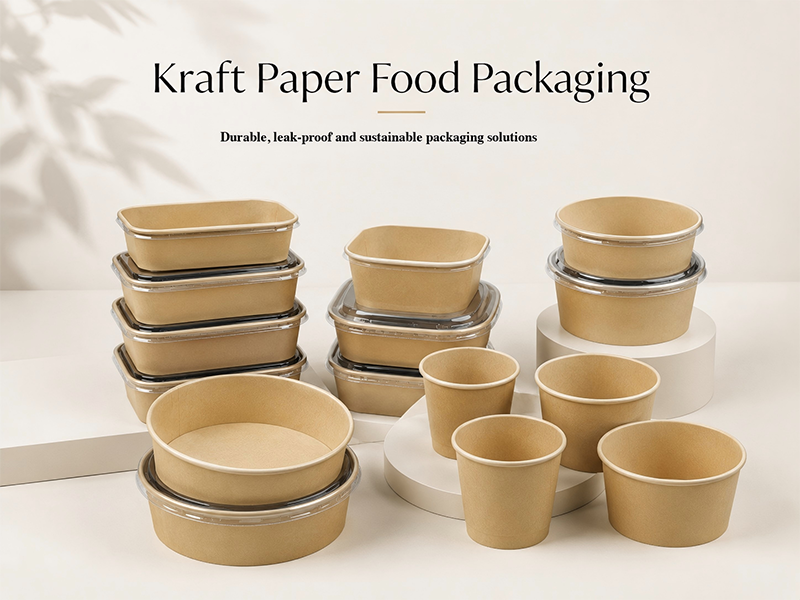
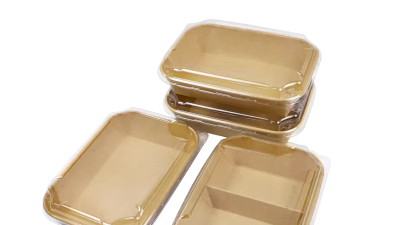
Choosing PHR rectangle kraft paper food containers from China suppliers offers foodservice businesses a practical combination of quality, flexibility, and cost efficiency. These containers are designed for takeaway meals such as rice dishes, pasta, salads, snacks, deli foods, and ready-to-eat portions. Available in several sizes, including PHR750, PHR1000, PHR1000-2, and PHR1200, they can accommodate different serving requirements without changing the overall packaging style. The durable kraft paper base provides a natural, appealing appearance, while the food-safe PET or RPET lid allows customers to view the contents clearly before purchase.
China-based manufacturers can support regular foodservice and retail operations with versatile production capabilities and dependable supply options. The containers are suitable for stacking during storage, transport, and display, helping businesses use space efficiently and reduce handling concerns. Their sturdy construction also offers reliable resistance to common food liquids and oils, helping maintain package integrity during takeaway service. With a secure lid fit and clean rectangular design, these boxes present meals neatly while supporting convenient carrying. They are well suited to restaurants, catering providers, meal-preparation companies, supermarkets, and other buyers seeking functional packaging in multiple capacities.
Start with the food, not the box design. Check moisture, grease, temperature, weight, and shelf life. Different foods need different protection.
Real sauces, oils, and steam can reveal weaknesses. A box may look strong but fail after repeated handling. Test actual portions.
Fill the box and store it for 24 hours. Shake it gently, stack several boxes, and inspect corners, seams, stains, and crushed edges.
Turn a filled box upside down for ten seconds. Check whether the lid opens, leaks appear, or food touches the closure.
Corrugated fiberboard supports stacking but softens when wet. Coated paperboard resists grease better. Molded fiber suits bakery foods but may absorb moisture.
Polypropylene and PET can resist leaks and display food clearly. However, local recovery systems may not accept every plastic type. Check locally.
Leave enough room for safe filling, but avoid excessive movement. Loose products can shift, spill, or crush during delivery.
Request food-contact declarations, coating details, temperature limits, and test results. Confirm compliance in every selling region. Do not rely on appearance alone.
Test refrigeration or heat when necessary. Warm food may soften weak board and damage printed surfaces. Chilled foods may create condensation.
Recycled or recyclable materials may help, but performance comes first. A soggy base can cause spills, returns, and more waste. My assumptions need testing.
Choosing the right Food Packaging Boxes is an important decision for protecting products, controlling costs, and presenting a consistent brand image. Start by identifying your product’s needs, including its size, weight, shape, temperature sensitivity, moisture exposure, and expected shelf life. Then compare food-safe materials and box styles to find a suitable balance of strength, appearance, usability, and budget. Accurate sizing and practical structural designs can reduce wasted space while making packing and opening more efficient.
Packaging should also be evaluated for protection during storage, handling, and transportation. Features such as secure closures, inserts, coatings, and stacking strength may help preserve product quality. At the same time, consider how colors, printing, finishes, and convenient opening methods support your branding goals. Finally, review sustainability options, relevant food-packaging requirements, and supplier quality standards to ensure the boxes are responsibly produced, reliable, and appropriate for your business operations.