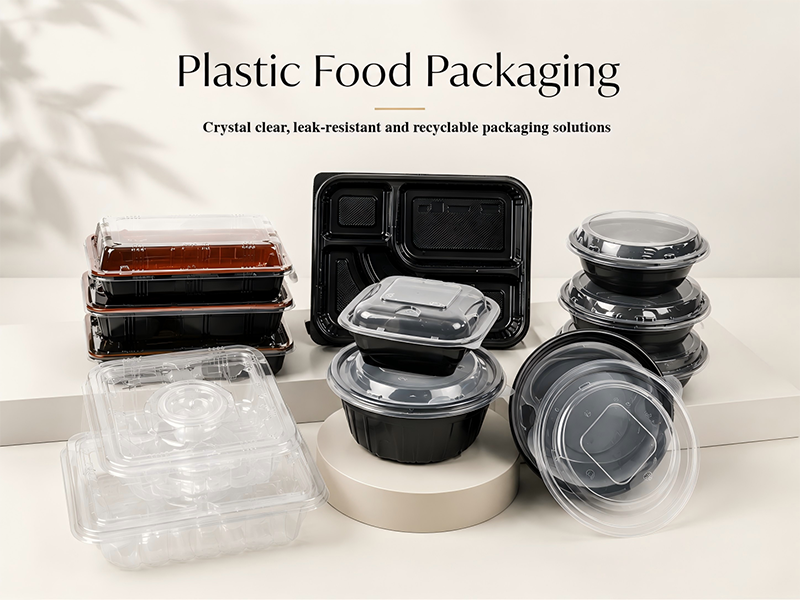
 Plastic Food Packaging
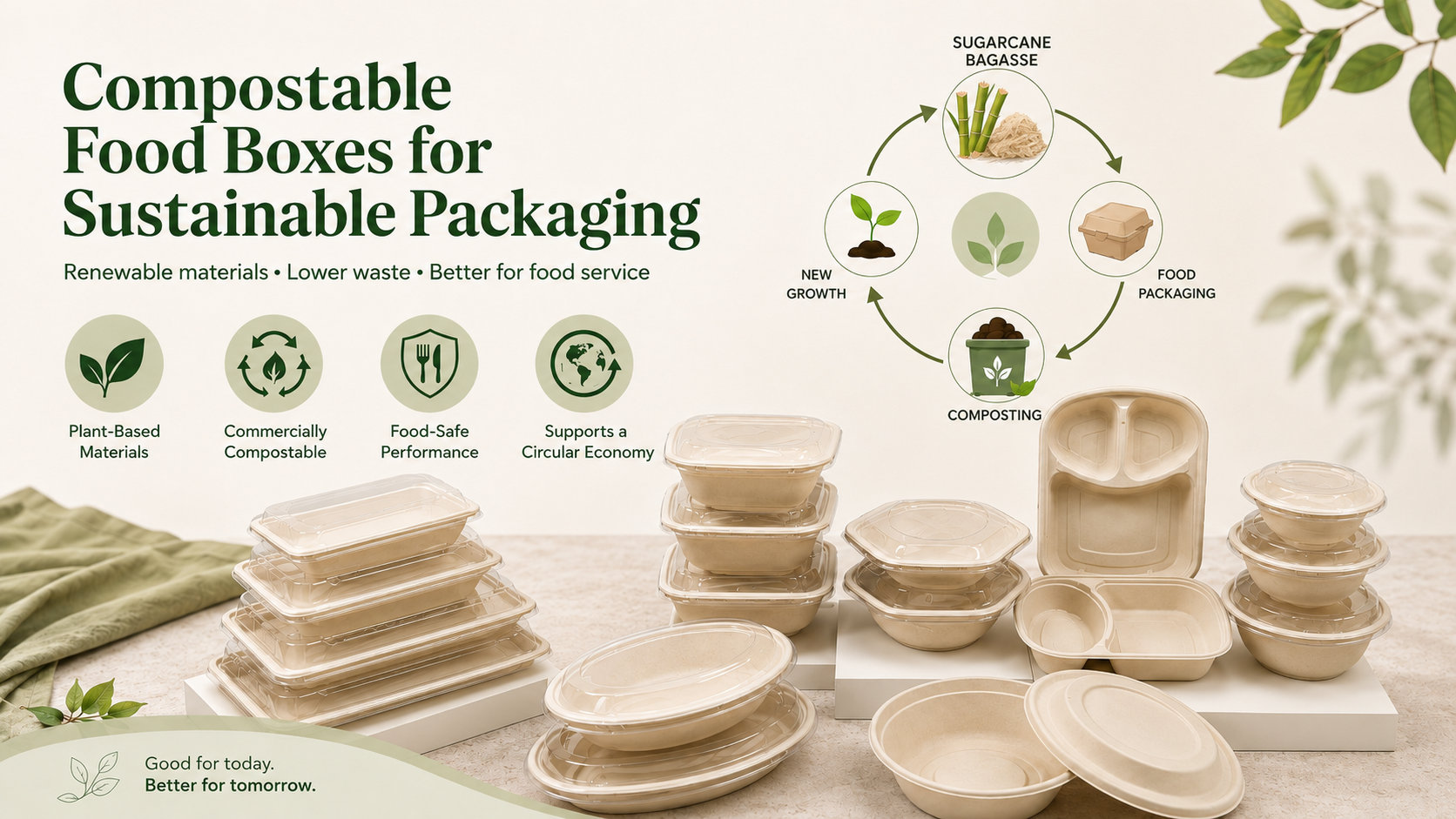
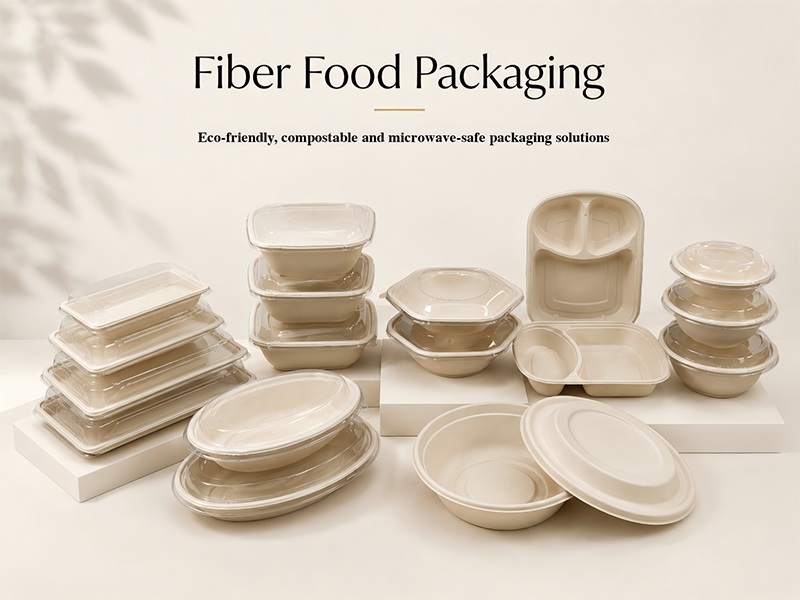 Fiber Pulp Food Packaging
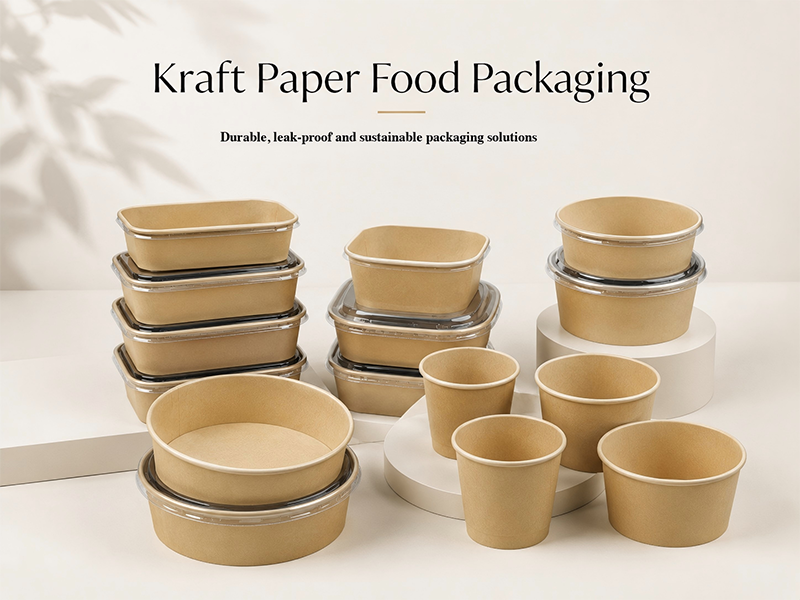 Kraft Paper Food Packaging
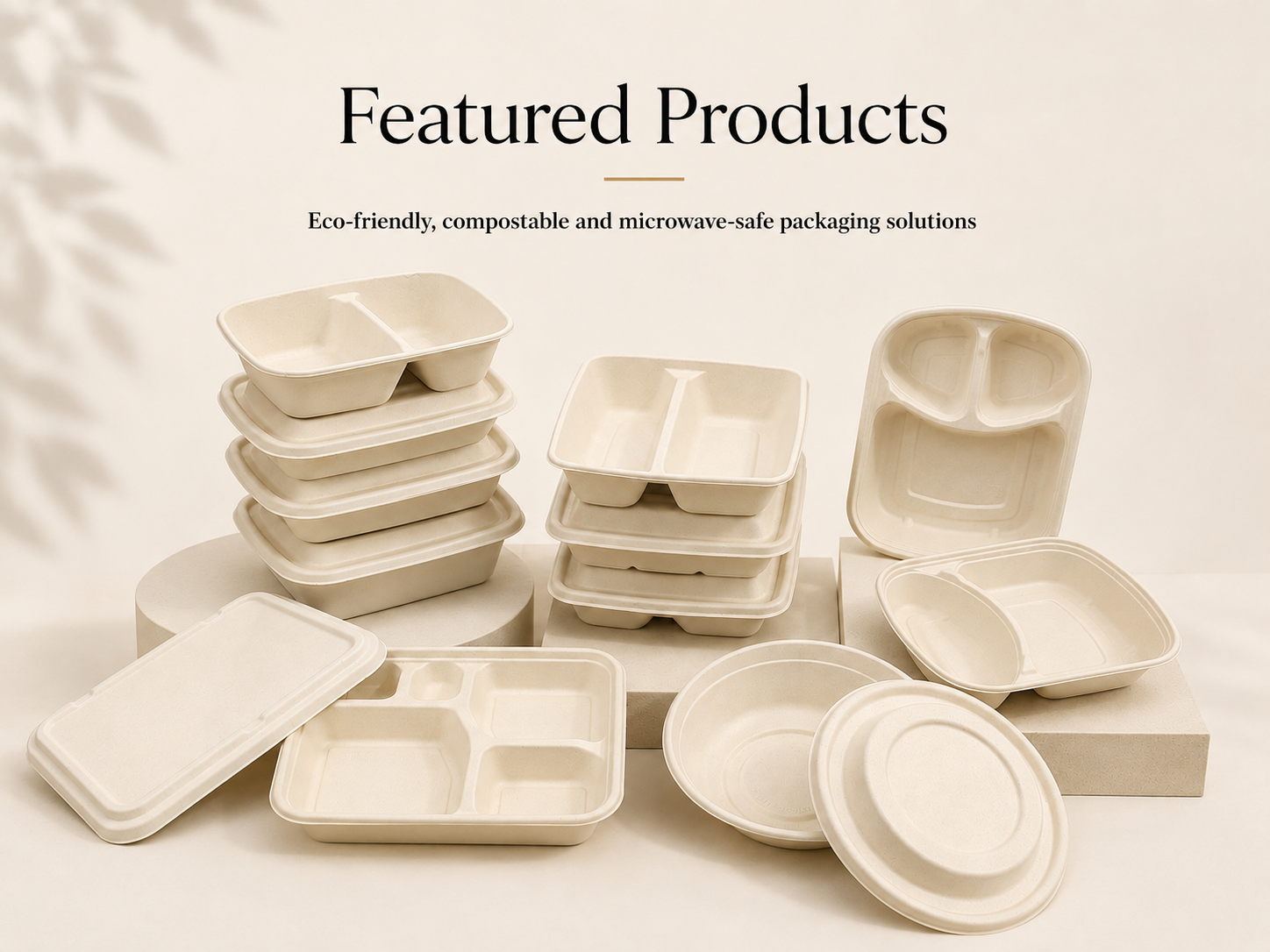 Featured Products
 +86 18024107061

- Home
- Products
- About Us
- Solutions
- News
- FAQ
- Contact Us
Leave Your Message
-
Contact Whatsapp
-
 Contact via email
So, choosing quality molded Fiber Food Containers in 2026? Honestly, it takes more than just checking the recycled content. The real question is: what factors actually affect the quality of molded fiber food containers? This guide walks through material selection, forming accuracy, barrier performance, food safety, and supply consistency.
Dr. Susan M. Selke, a researcher in packaging sustainability, put it like this: “Packaging has to protect the product—if it doesn’t, any environmental benefit is lost.” And you know what? That idea still holds up. A container might look natural and feel sturdy, but then hot soup comes along and softens the rim. Another one might handle dry snacks just fine, only to soak up oil in a matter of minutes. It’s the little things that matter.
Honestly, quality really starts with clean, traceable fibers and getting the pulp prep under control. Things like water content, fiber length, and refining conditions? They can all change how strong the wall ends up being. And mold design matters too—it affects corner thickness, how well things stack, and whether the lid fits right. A manufacturer you can trust should actually measure these things, not just eyeball them and call it good.
Honestly, barrier coatings are one of those things that deserve a closer look. You want them to hold up against grease and moisture, sure—but they also need to work with however the package is supposed to be disposed of. And the performance has to match real life: microwaving, refrigeration, getting bounced around during shipping. Also, not every 'eco-friendly' claim actually means the same thing.
A good way to test it? Keep it simple.
Fill it. Stack it. Shake it.
Then, after a few hours, take another look at the container. Is the base starting to sag? Has the lid come loose? Does the surface smell a little off? Little things like that can reveal weaknesses that marketing language tends to gloss over. Fiber Food Containers are improving quickly—honestly, they are—but the industry still has some assumptions worth questioning. At the end of the day, better data, honest testing, and consistent production are what will define dependable choices in 2026.
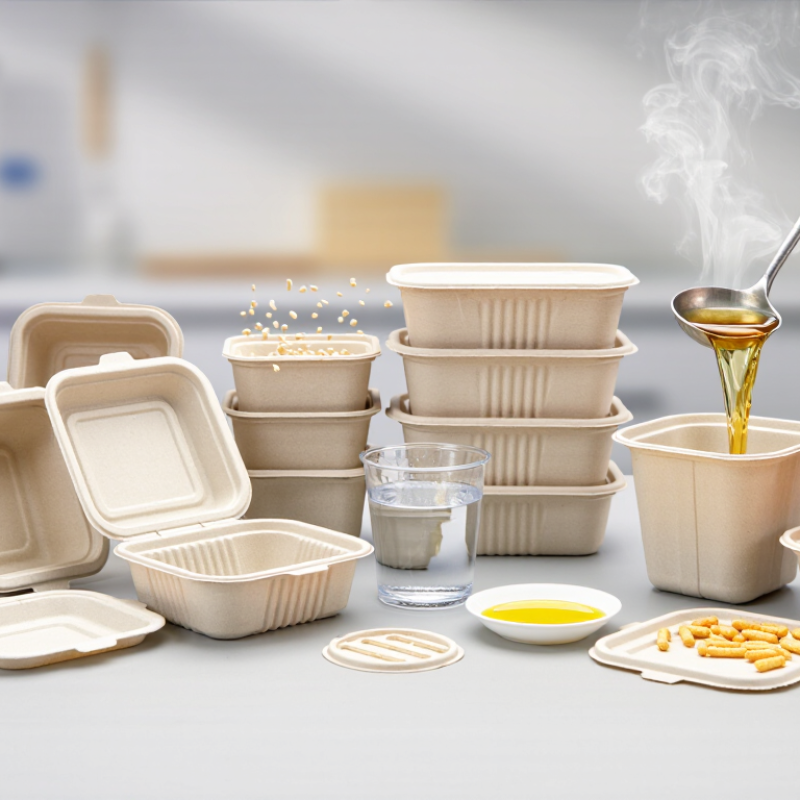
Molded fiber food containers are rigid packages shaped from natural or recycled fibers. Common feedstocks include recycled paper, bagasse, bamboo, and wheat straw. UNEP’s 2023 report states that packaging consumes about 36% of all plastic produced globally. This explains growing interest in Fiber Pulp Food Packaging, especially for takeaway meals and fresh produce.
Manufacturing begins with fiber pulping and water mixing. The slurry enters a shaped mold, where vacuum pressure removes excess water. Heat pressing then improves strength, surface smoothness, and dimensional accuracy. Drying follows, sometimes with a thin barrier coating for grease or moisture resistance. The details matter. Too much moisture can soften a lunch box within minutes.
Smithers’ recent molded fiber packaging outlook identifies foodservice as a major growth application through the decade. However, market growth does not automatically mean better containers. The OECD’s Global Plastics Outlook reported that only 9% of global plastic waste was recycled in 2019, so replacing plastic should still involve practical testing. A container should resist leakage, tolerate stacking, and remain stable with hot food. I would not treat one successful microwave test as proof of quality. Real meals contain oil, steam, sauces, and uneven heat. That is the trap. Buyers should request food-contact documentation, compression results, moisture testing, and clear information about coatings. A clean-looking tray can still fail at the fold.
| Evaluation Dimension | What Molded Fiber Food Containers Are | How They Are Made or Tested | Quality Indicators to Check | Why It Matters in 2026 |
|---|---|---|---|---|
|
Basic Material Fiber source |
Containers formed from plant-based cellulose fibers, commonly recycled paper, post-consumer paperboard, bagasse, bamboo, or other agricultural fibers. | Fibers are mixed with water to create a pulp slurry. The slurry is formed against a mold and then dried or pressed into shape. | Clearly identified fiber source; consistent color and texture; no visible plastic fragments, strong odor, or excessive dust. | A traceable fiber source supports responsible sourcing, recycling claims, and accurate end-of-life labeling. |
|
Forming Process Product structure |
The container is produced by distributing wet fiber over a shaped mold, creating a three-dimensional item with walls, corners, rims, and compartments. | Typical steps include pulping, screening, refining, slurry preparation, vacuum forming, pressing, drying, trimming, and inspection. | Even wall thickness, sharp definition of compartments, stable rims, smooth edges, and no warping after conditioning. | Precise forming improves stacking, lid fit, filling-line performance, and resistance to deformation during transport. |
|
Barrier Performance Water and oil resistance |
Uncoated molded fiber is naturally absorbent. A barrier treatment may be required for wet, oily, or high-moisture foods. | Resistance can be provided through fiber selection, refining, surface treatment, or a coating. Testing should use the intended food, temperature, and contact time. | No leakage, softening, delamination, or visible staining during the specified holding period. Confirm whether the barrier is repulpable or compostable. | Barrier performance must match the actual application rather than relying only on general terms such as “water resistant.” |
|
Food Contact Safety Material compliance |
Food-contact suitability depends on the fibers, additives, inks, release agents, coatings, and recycled-material controls used in production. | Suppliers should maintain a documented food-contact compliance program and provide declarations, test reports, and supporting material information where required. | Food-contact declaration; controlled raw materials; migration testing appropriate to the food type, temperature, and contact duration. | Compliance requirements vary by destination market, so documentation should be reviewed before purchase and periodically updated. |
|
Thermal Suitability Hot and cold foods |
Molded fiber containers can be designed for many chilled, ambient, and hot-food uses, but performance varies by fiber structure and barrier system. | Samples are evaluated under the intended temperature, filling weight, holding time, stacking load, and reheating conditions. | No collapse, excessive softening, odor transfer, coating failure, or loss of lid fit under the stated use conditions. | “Microwaveable” or “freezer suitable” should be confirmed by application-specific testing rather than assumed from the material name. |
|
Mechanical Strength Handling and stacking |
Strength comes from fiber bonding, wall geometry, drying conditions, rim design, and sometimes reinforcing features or coatings. | Useful checks include compression, stacking, drop, flexing, rim-strength, and filled-container handling tests. | Reliable shape retention, secure closure, low cracking risk, and sufficient compression strength for the planned transport stack. | Strength should be assessed with the actual lid, food load, humidity, and distribution conditions because moisture can reduce fiber stiffness. |
|
Dimensional Accuracy Fit and consistency |
Dimensions include external size, internal capacity, wall thickness, rim profile, compartment volume, and lid interface. | Production samples are measured against approved drawings or control samples. Mold wear and drying variation are monitored during production. | Consistent length, width, height, capacity, rim flatness, and lid engagement across multiple production lots. | Accurate dimensions reduce filling errors, improve automated packing, and help prevent leakage caused by poor lid alignment. |
|
Surface and Odor Consumer experience |
A suitable container should have a clean fiber surface with no unacceptable odor, loose fibers, sharp edges, or visible contamination. | Visual inspection, odor evaluation, cleanliness checks, and sample conditioning are performed before shipment and during incoming inspection. | Smooth trimmed edges, uniform appearance, low lint, no stains, no mold, and no odor transfer to the food. | Surface quality affects food presentation, user comfort, and acceptance of the package as a premium alternative to conventional packaging. |
|
End-of-Life Route Recycling and composting |
Fiber packaging may be recyclable, industrially compostable, home compostable, or suitable for another waste route depending on coatings, additives, contamination, and local systems. | End-of-life claims should be supported by recognized testing and assessed against the requirements of the target market and available waste infrastructure. | Clear disposal instructions; transparent coating information; evidence for compostability or repulpability claims; no misleading “biodegradable” wording. | The most sustainable option is determined by material design, manufacturing impacts, food contamination, collection systems, and actual local processing capacity. |
|
Printing and Decoration Branding without company data |
Molded fiber can use embossing, debossing, molded-in details, or suitable surface printing, depending on the finish and barrier system. | Decoration is applied during forming or after drying. Ink selection, adhesion, rub resistance, and food-contact suitability must be verified. | Legible markings, strong ink adhesion, no set-off, no unacceptable odor, and compliance of inks and coatings with the intended use. | Minimal decoration can preserve recyclability and reduce material use while still providing handling, sorting, or disposal information. |
|
Quality Documentation Supplier control |
Reliable molded fiber packaging requires controlled specifications for raw materials, molds, process conditions, inspection, and batch release. | Review product specifications, drawings, tolerances, test methods, batch records, corrective-action procedures, and retained samples. | Lot traceability, inspection records, change-control process, consistent sampling plan, and documented handling of nonconforming products. | Strong documentation makes performance claims verifiable and helps manage regulatory, quality, and supply-chain risks. |
|
Best-Fit Applications Use-case matching |
Common uses include takeaway meal trays, plates, bowls, produce packaging, food-service portions, and protective inserts. | The final design is selected according to food type, portion size, holding time, temperature, stacking method, transport conditions, and disposal route. | A documented application test using the real food product and intended operating conditions before full-scale purchase. | Choosing by application prevents over-specification, unexpected failure, and environmental claims that do not reflect real-world use. |
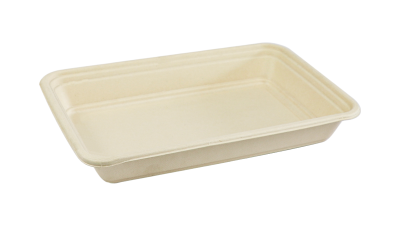
As sustainable packaging continues to develop toward 2028, foodservice operators are placing greater emphasis on renewable materials, practical performance, and responsible resource use. The CRT1500 rectangular pulp food container responds to these priorities with a sturdy structure made from natural bamboo pulp and sugarcane pulp. Its 1500 ml capacity provides generous space for salads, fried rice, snacks, bento meals, and other takeaway dishes, while the rectangular shape supports efficient storage and presentation.
Designed for both convenience and everyday catering demands, the container is supplied with a polypropylene lid that helps secure food during transport. Its heat-resistant performance makes it suitable for hot meals such as rice, steak, hot salads, noodles, and prepared lunch combinations. This versatility allows one container format to serve a broad range of menus while helping food businesses simplify packaging selection and improve operational efficiency.
The use of plant-based pulp also supports packaging strategies that seek alternatives to conventional petroleum-based food containers. For restaurants, caterers, delivery kitchens, and takeaway counters, the CRT1500 combines renewable material content with dependable capacity, stackable handling, and practical protection for meals served at different temperatures.
Fill the container with its intended meal and apply realistic stacking pressure. Check corners carefully. Measure deformation after fifteen and thirty minutes. A quick squeeze can mislead.
Even rims support better lids and reduce leakage. Place several empty containers together. Poor nesting wastes storage space and creates unstable stacks.
Test soup, sauces, oily meals, and cold foods. Use serving temperatures. Check for soft spots, seepage, warping, and lid release. Real meals matter.
Record results after fifteen, thirty, and sixty minutes. Keep food weight and temperature consistent. A container may look strong initially, then soften later.
Request material details, additive information, coating data, and production controls. Ask for migration testing with suitable food simulants. Cold-food evidence cannot validate hot-food use.
Fill samples with oily dressing for several hours. Repeat with hot and acidic foods. Look for dark spots, soft edges, odors, and surface transfer.
Moisture can weaken fiber and affect stacking strength. Test containers after condensation forms. A dry room-temperature test may show too much confidence.
No. They do not replace food-contact evidence or performance data. Review grease resistance, water absorption, seal integrity, and odor transfer. Claims can remain vague.
Yes. Inspect units with dents, crushed corners, or distorted lids. Shipments are rarely gentle. I once trusted an attractive tray too quickly; that was careless.
Repeat the tests using identical food weights and conditions. Compare supplier records with your own samples. Some evaluation methods remain imperfect. Check again.
Choosing quality molded fiber food containers in 2026 requires more than comparing appearance and price. These containers are commonly produced by forming plant-based fibers with water, heat, and pressure, so the final performance depends on the material source, fiber length, additives, molding precision, and drying process. What Factors Affect the Quality of Molded Fiber Food Containers? Key considerations include structural strength, resistance to cracking or deformation, stable shape, stackability, and reliable performance with hot, cold, wet, or oily foods.
Buyers should also verify food-contact safety, odor and migration control, and the effectiveness of grease, moisture, or heat barriers. Environmental claims should be supported by appropriate compostability or recyclability certifications and clear disposal guidance. Finally, evaluate suppliers according to consistent quality control, production capacity, delivery reliability, customization options, available sizes, minimum order quantities, and total cost. A well-balanced choice should meet practical food-service needs while offering credible safety, environmental, and economic value.