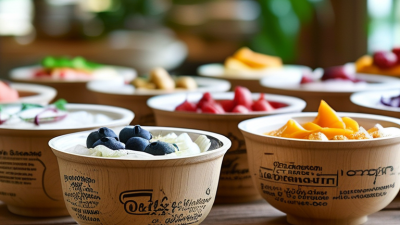
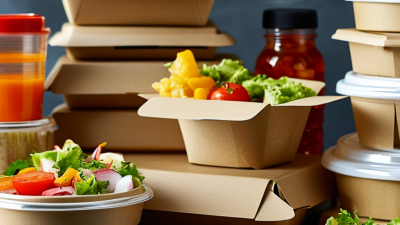
Picking out a disposable food container in 2026 isn’t just about comparing prices or going for the prettiest design. You really gotta think about what the container does — it needs to protect the food, make handling safe and easy, and actually work well in real-world situations. For example, a soup container should handle hot liquids without leaking during delivery. Meanwhile, a salad box has to stay its shape even when stored in the fridge chilled. Those little details? They really matter.
Dr. Robert Brackett, a well-known expert in food safety and packaging, once said, “Packaging isn't just an afterthought; it’s a key part of the entire food system.” That’s a good thing to keep in mind. When choosing, you should look into what materials are used, how well they handle different temperatures, how secure the closures are, if they resist grease, and whether the suppliers can trace their products. It’s wise to ask for food-contact safety documentation and even test some samples before committing to a big order. Just because a food container looks super durable on a website doesn’t mean it’ll hold up when filled with hot curry. Remember, marketing images aren’t actual performance tests.
And don’t forget about sustainability — it’s not a one-size-fits-all deal. Materials like fiber, paperboard, PLA, and recycled plastics all have their own pros and cons. Just because a container is labeled "eco-friendly" doesn’t mean it’ll break down easily or doesn’t need specific disposal methods. The local waste systems and facilities can really change what actually happens after use. I wouldn’t say one material is always better than another — that’s too simplistic.
All in all, picking the right container boils down to matching it with the menu, delivery distance, storage conditions, and what your customers expect. Double-check if the lids fit consistently across different batches. It’s a good idea to chat with experienced suppliers like Genpak or Huhtamaki, and verify their claims with their published data. Mistakes happen — the goal is to minimize them by testing things out, relying on real evidence, and being honest in your reviews.
What Are Disposable Food Containers and Why Do They Matter in 2026?
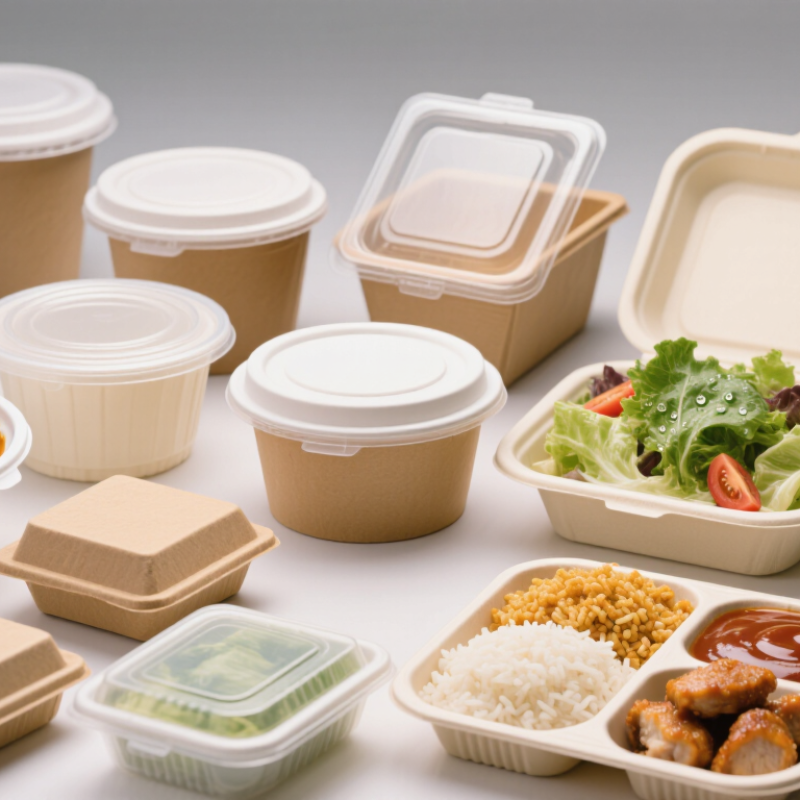
Disposable food containers are single-use vessels for carrying, serving, or storing prepared food. They include paper bowls, molded-fiber trays, plastic boxes, and aluminum dishes. A Disposable Food Container Box must protect food from leaks, heat, crushing, and contamination during short journeys.
Their importance is practical and environmental. In a busy takeaway kitchen, a weak lid can spill soup into a delivery bag within minutes. A poor seal can also expose rice, noodles, or salads to dust and handling. The Food and Agriculture Organization reports that 13.2% of food is lost between harvest and retail. Reliable containers can help prevent additional waste after cooking. Still, packaging is not a complete solution.
The OECD Global Plastics Outlook reports that packaging created about 40% of global plastic waste in 2019. Meanwhile, the UNEP Food Waste Index Report 2024 estimates 1.05 billion tonnes of food were wasted in 2022. These figures make material selection more serious in 2026. Buyers should check recycled content, food-contact safety, temperature limits, and local recovery systems. “Compostable” sounds simple. It is not. Many facilities cannot process it, so the container may still be landfilled. I have found that the cheapest option often becomes expensive after leaks, returns, and wasted meals. The better choice balances protection, cost, and realistic disposal conditions.
Which Materials Are Used in Disposable Food Containers?
Choosing a Food Packing Container Disposable option starts with its material, not its appearance.
Paperboard and molded fiber suit dry meals, bakery items, and takeaway bowls. They feel natural and print well. However, moisture can soften weak fiber structures. Coatings may also complicate recycling. I have seen attractive fiber boxes lose strength under hot, oily food.
Polypropylene handles heat, sauces, and repeated temperature changes better than many common plastics. PET offers clarity and rigidity, but it is less suitable for very hot foods. Aluminum provides strong heat resistance and an excellent barrier against light and oxygen. It is lightweight, yet production requires substantial energy. Bagasse, made from sugarcane residue, can perform well for short-service meals, although its quality varies between suppliers.
The OECD’s Global Plastics Outlook reports that packaging created about 40% of global plastic waste in 2019. That figure deserves attention. The U.S. Environmental Protection Agency reported 82.2 million tons of containers and packaging in municipal solid waste during 2018. These reports show why material selection needs more than a “compostable” label. Check food-contact compliance, temperature limits, grease resistance, and local recovery systems. A container may be technically recyclable but rarely accepted nearby. That is an uncomfortable gap. Test the filled container for leakage, lid fit, stacking pressure, and holding time before ordering at scale.
How to Match Container Types With Different Foods
Choosing disposable food containers in 2026 starts with the food, not the shape. A container that protects soup may damage fried food through trapped steam. Match the material, closure, and depth to the meal’s temperature, moisture, and serving size.
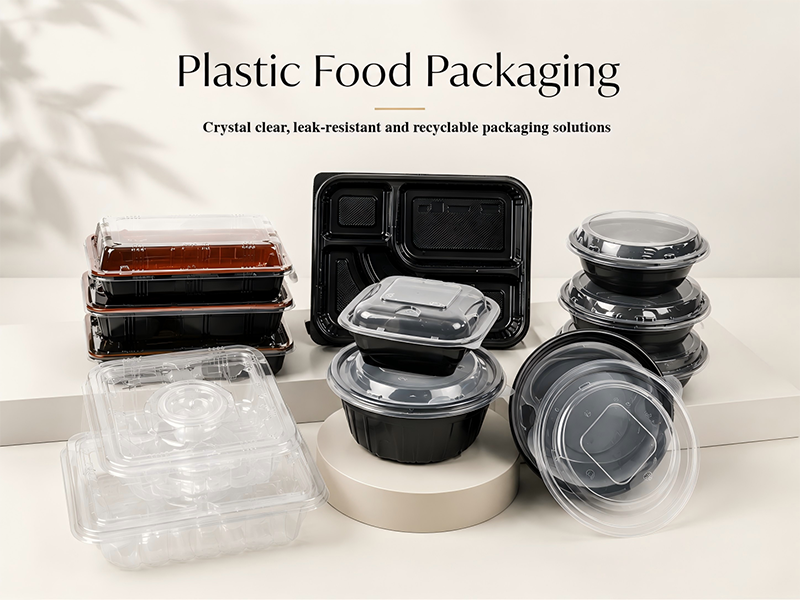
For soups, curries, and sauces, choose leak-resistant containers with secure lids and enough headspace. A Round Disposable Plastic Food Container works well for noodles, rice dishes, and layered meals because its curved walls reduce corner leakage. Check its stated temperature range before adding hot food. For salads, use shallow containers with separate compartments when dressing could wilt leafy vegetables. Ventilation may help, but an unreliable vent can create spills.
Fried chicken, fries, and pastries need airflow more than tight sealing. Use containers with small vents or slightly loose closures, if the design allows safe transport. Otherwise, condensation softens the crust quickly. Bakery items need firm bases and enough height to protect decoration. Cold desserts require containers that remain stable during refrigeration without becoming brittle.
I usually test a filled container over a short delivery route. Tilt it, stack it, and inspect the lid afterward. Small tests reveal problems that product descriptions miss. I once selected a deep container for a saucy meal, then found it awkward for customers to eat from. That mistake still matters: capacity is not the same as usability. Also review food-contact documentation, temperature guidance, and local disposal requirements before purchasing in volume.
How to Compare Safety, Durability, and Heat Resistance
Choosing disposable food containers in 2026 requires more than checking price and appearance. Safety, durability, and heat resistance should guide the decision. A Rectangular Disposable Plastic Food Container must be made from clearly identified, food-contact-safe material. Look for supplier test documents, production details, and temperature guidance. Vague claims are not enough. Check the container for unusual odor, rough edges, discoloration, or weak seams before use.
Heat resistance depends on the food, heating method, and exposure time. A container may handle warm rice but deform beside boiling soup. Never assume microwave suitability without clear instructions. Pouring hot food into a thin container can also soften its base. Durability matters during delivery and storage. Test the lid seal, corner strength, and stacking stability. A small drop test may reveal weakness, although it cannot replace formal quality testing. I sometimes focus too much on heat performance and overlook lid pressure. That mistake is easy to repeat.
Tips: Compare the stated temperature range with your real serving conditions. Fill one sample with hot food and observe warping, leakage, and lid movement. Leave it briefly, then inspect the base. Choose thicker walls for heavy meals, but remember that thickness alone does not prove safety. Keep records of supplier documents and sample results. Recheck them when materials or production batches change.
How to Choose Disposable Food Containers in 2026?
Comparing Safety, Durability, and Heat Resistance
How to read the chart: Polypropylene generally offers the highest heat tolerance among common disposable options. Molded fiber and paperboard can handle hot food when their coatings and construction are suitable. PET and PLA are better suited to cold or moderately warm food.
Safety: Select containers specifically labeled for food contact and confirm suitability for microwave, oven, freezer, or hot-liquid use. Temperature resistance alone does not prove food-contact compliance.
Durability: For heavier or liquid foods, compare wall rigidity, leak resistance, lid fit, and resistance to tearing or puncture. Coatings, seams, and container design can significantly affect performance.
The values shown are approximate typical upper-use temperatures in °C for common disposable container materials. Actual limits vary by product design, coating, thickness, and manufacturer testing. Always follow the product specification and applicable food-contact regulations.
How to Evaluate Sustainability and Disposal Options
Choosing disposable food containers in 2026 means examining their end, not just their first impression. In my own packaging checks, a container felt sustainable until I found no nearby facility could process it. That discovery changed my questions. Can the lid be separated? Does the material have a clear identification mark? Will grease or sauce make recovery impractical? A simple label helps.
Evaluate disposal options where meals are sold. Recycling rules differ between cities, buildings, and collection contractors. Compostable packaging may require a commercial composting site, not a backyard bin. “Compostable” does not always mean compostable at home. Check accepted-material lists before ordering large quantities. Ask the waste operator about lids, sleeves, coatings, and food residue. Small details matter. If the answer is vague, treat the claim cautiously. I have learned that attractive sustainability language can hide an inconvenient disposal route.
Choose containers that match real customer behavior. If diners rarely separate parts, a one-piece design may perform better than a theoretically superior system. Reduce excess material, but protect food from leaks and early disposal. Keep supplier documentation, test samples with hot and oily meals, and place disposal instructions near collection points. Independent certifications can add confidence, yet they cannot replace local verification. This process is not perfect. Facilities change, labels confuse people, and some recyclable items still become waste. Review the choice annually using actual contamination and collection data rather than assumptions.
How to Choose the Right Size, Design, and Cost
Choosing disposable food containers in 2026 starts with the meal, not the container. Measure twice. A 500-milliliter box suits a light salad, while rice dishes often need 750 milliliters or more. Leave space for sauces, toppings, and steam. An overfilled box leaks when staff close the lid, especially during delivery. For soups, choose a deeper shape with a secure, compatible lid. Test one filled container by shaking it gently over a sink. This small check often reveals weak seals.
Design affects both service speed and customer experience. Clear walls help customers identify food without opening the lid. A broad opening makes packing and eating easier, but it may reduce stacking stability. Use matching bases and lids from a documented compatible system. Mixing sizes can create gaps, even when they appear compatible. Look for food-contact documentation, temperature limits, and storage guidance. Vent holes may protect crisp foods, while sealed lids better retain moisture. The right choice depends on the menu. Not appearance alone.
Cost should include lids, storage space, labor, waste, and damaged orders. A cheaper box is not cheaper after three leaking deliveries. Compare the cost per complete serving set, not the unit price. Request samples and record leakage, cracking, and stacking results over several service days. I once chose a thinner container to reduce spending. It saved little and warped under hot food. That decision needed more testing. Also check whether local facilities accept the chosen material, because disposal claims can be overly broad. Keep a simple review sheet. Update it when portions, menus, or delivery distances change.
What Food Container Regulations Should Buyers Check in 2026?
How to Choose Disposable Food Containers in 2026?
In 2026, buyers should check food-contact regulations before comparing prices or designs.
Rules differ by country, state, and intended market. A container approved for dry snacks may fail when used with hot soup. Confirm the material, food type, temperature range, and contact time in writing. Ask suppliers for current declarations of compliance and independent migration-test reports. These documents should match the exact container, lid, coating, and colorant.
Check restrictions on substances that can transfer into food.
Pay close attention to PFAS, heavy metals, plastic additives, and recycled content requirements. Paper containers are not automatically safer. Their inner barrier may need separate testing. For recycled materials, request evidence that the process supports food-contact use. Also review labeling duties, recycling claims, compostability language, and required disposal instructions. Vague environmental wording can create compliance problems.
A certificate alone is not enough.
Test reports may cover only one size or production batch. Ask whether the factory controls temperature, hygiene, traceability, and batch records. Keep samples from every approval round. Small changes matter. A thicker lid, darker ink, or new coating can alter test results. I would also check the destination market again before shipment, because regulations can change during a product cycle. A careful checklist still has blind spots, especially when suppliers provide translated documents or incomplete test conditions. Verify the details with a qualified local compliance specialist.
FAQS
They are single-use vessels for carrying, serving, or storing prepared food. They include paper bowls, molded-fiber trays, plastic boxes, and aluminum dishes. A good container limits leaks, heat damage, crushing, and contamination.
Reliable packaging can prevent spills and protect meals during short deliveries. A weak lid may release soup into a delivery bag within minutes. Packaging helps reduce waste, but it cannot solve every environmental problem.
Paperboard and molded fiber suit dry foods, bakery items, and takeaway bowls. Polypropylene handles heat and sauces well. PET offers clarity and rigidity, but it suits cooler foods better. Aluminum resists heat, light, and oxygen. Bagasse can work well, though quality varies.
No. Many local facilities cannot process compostable packaging. The container may still go to landfill. Check nearby collection systems before relying on the label. That gap is uncomfortable.
Match the container with the food’s temperature, moisture, serving size, and texture. Soups and sauces need secure lids, leak resistance, and enough headspace. Salads benefit from shallow designs and separate dressing compartments. Fried foods need airflow to limit trapped steam. Different foods need different designs.
Choose curved walls, secure closures, and materials rated for the food’s temperature. Leave enough headspace in soups and sauces. Test the filled container by tilting it gently. Check the lid after stacking and movement. Product descriptions can miss small failures.
Test leakage, lid fit, stacking pressure, holding time, and food-contact documentation. Use real meals, not empty containers. Try a short delivery route with hot and cold foods. A small trial can expose expensive mistakes.
Fried foods need small vents or slightly loose closures when safe transport allows. Tight sealing traps steam and softens crisp surfaces. Pastry containers need firm bases and enough height. Decorations need room. I once chose a deep container that was difficult to eat from. Capacity is not usability.
Conclusion
Choosing the right Disposable Food Container in 2026 requires more than comparing prices. Buyers should first consider the food being served, including its temperature, moisture, acidity, oil content, and expected holding time. Common options include paper, molded fiber, plastic, aluminum, and compostable materials, each offering different levels of strength, insulation, leak resistance, and heat tolerance. The container should fit the portion size and support practical features such as secure lids, easy stacking, ventilation, and convenient transport.
Sustainability is also an important part of the decision. Evaluate whether the material can be reused, recycled, composted, or safely disposed of in the intended location, while avoiding misleading environmental claims. Buyers should also review manufacturing quality, food-contact safety, durability, and performance under heating or refrigeration. Finally, check applicable 2026 regulations, labeling requirements, and local disposal rules before purchasing. A balanced choice combines food compatibility, safety, functionality, environmental responsibility, and total cost rather than focusing on one feature alone.
 Recyclable Plastic Food Packaging
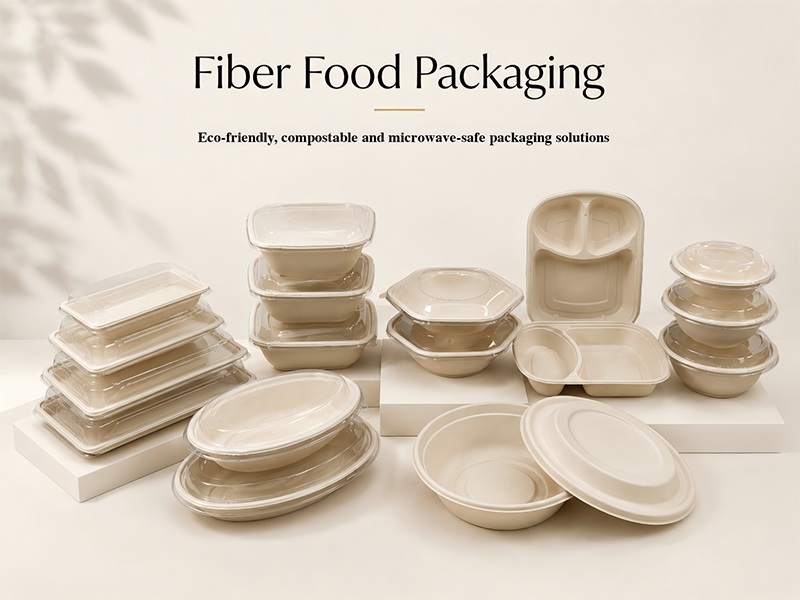 Compostable Fiber Food Packaging
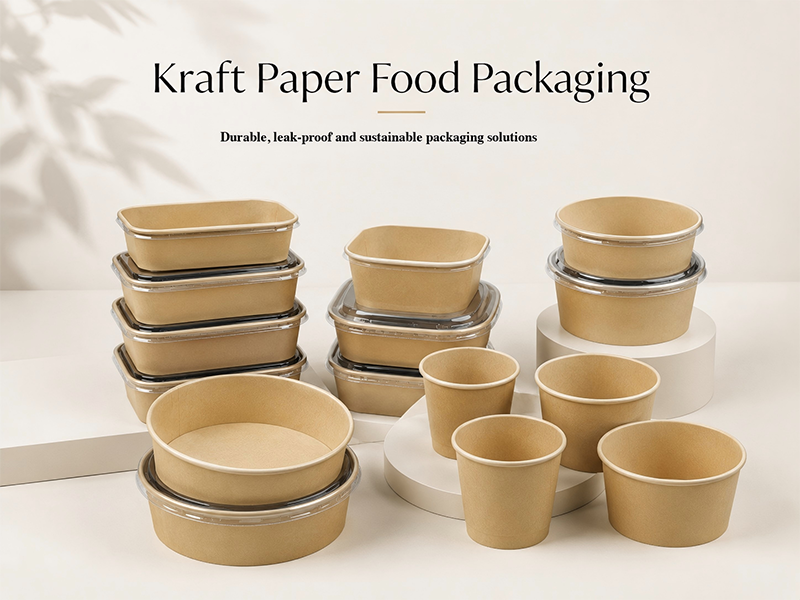 Recyclable Kraft Paper Food Packaging
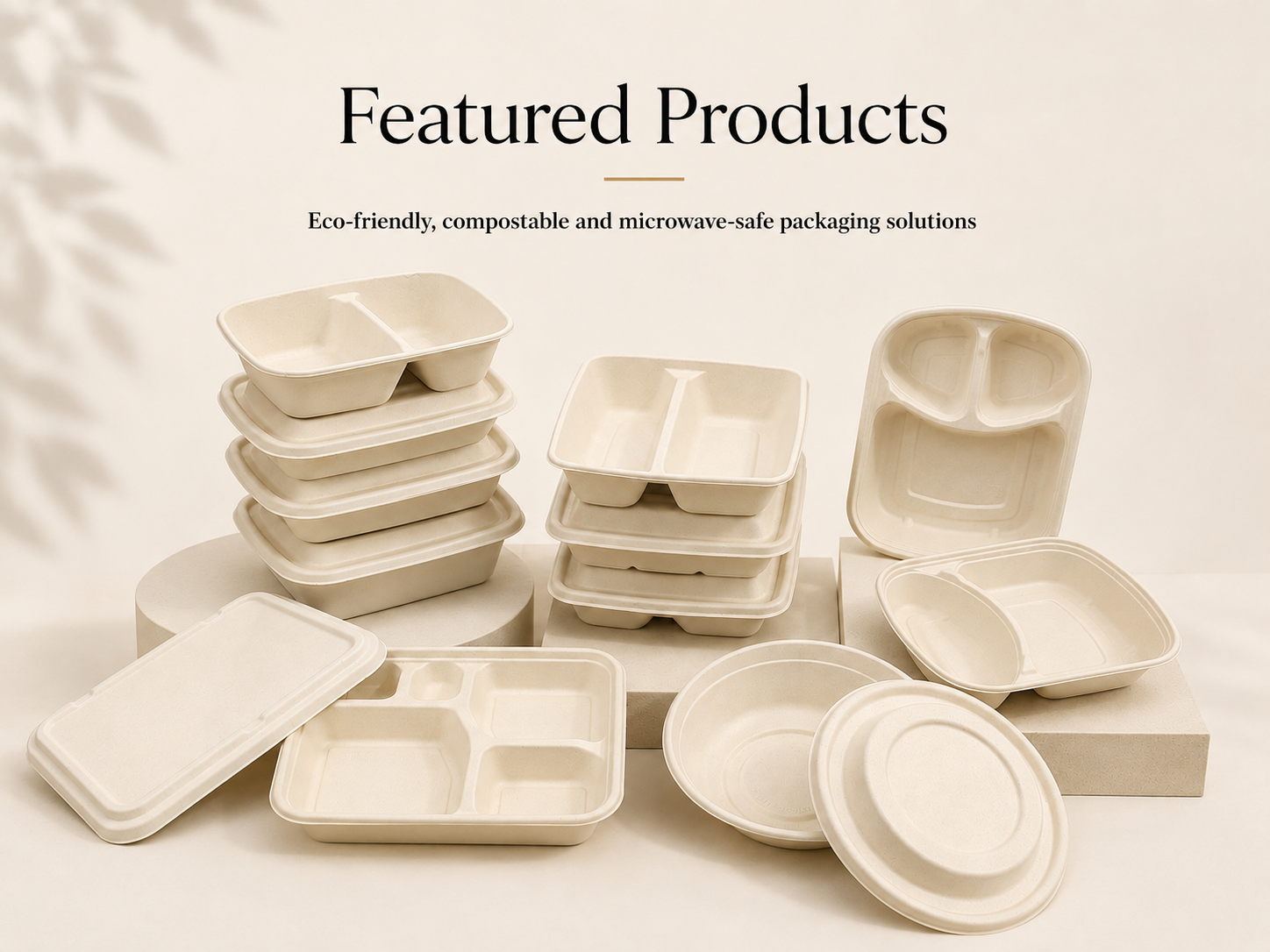 Featured Products
 +86 18024107061
 Contact via email