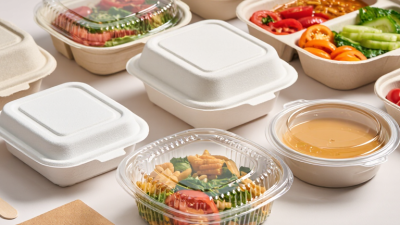
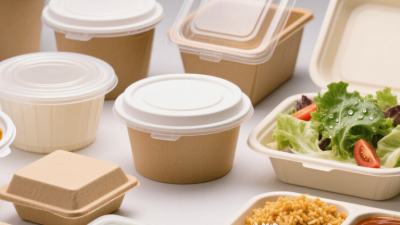
Sugarcane bagasse seems pretty straightforward at first glance – you know, a molded bowl, a clamshell, a tray made from leftover plant fiber. But hold on – the finished package isn't just that. It might also have coatings, wet-strength additives, inks, and whatnot. So buyers, don't just assume that because it's plant-based, it's automatically PFAS-free. The devil's in the details, as they say.
Okay, so here's the deal when you're trying to figure out if your sugarcane bagasse packaging has PFAS. You gotta ask the supplier some pointed questions and get some solid proof. First off, make sure their claim actually matches the specific product you're looking at – I mean the exact container, including any coating and what it's meant to touch (like food, obviously). Then, you need to see the actual test report, not just a summary. Look for details like sample ID, when it was tested, what method they used, and the reporting limits. A generic certificate might give you some peace of mind, but it might not be specific to the exact thing you're about to buy. And honestly, tiny details can throw the whole thing off.
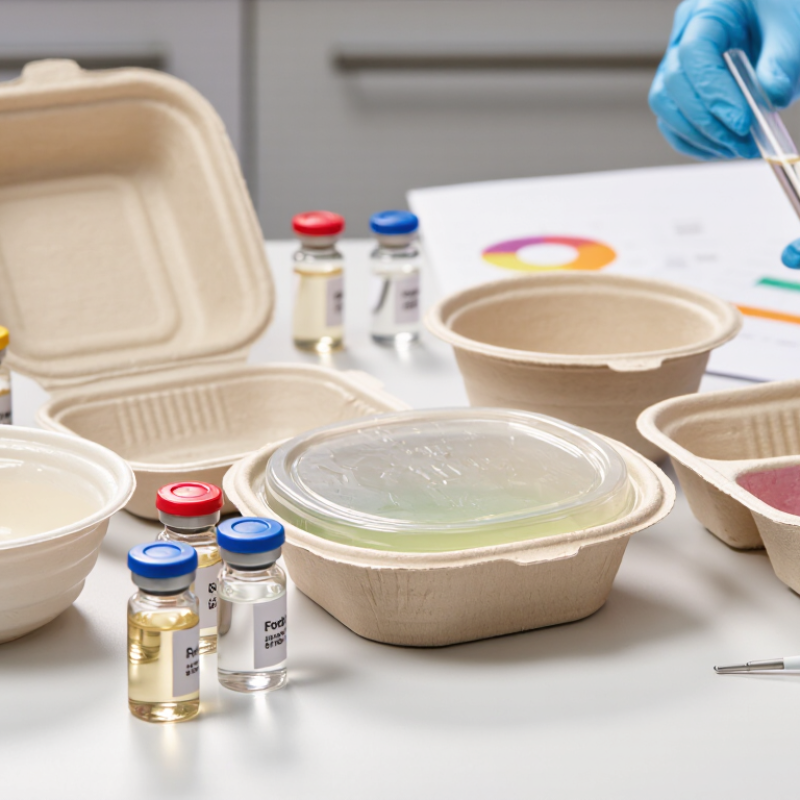
Here's the thing about PFAS testing – it has its limits, you know? Some methods only look for a handful of specific compounds, while others just measure total fluorine as a rough indicator. But here's the catch: neither result should be taken as the whole story without some context. So if you're making a purchasing decision based on this, it's worth getting independent testing done by a lab that actually knows what they're doing. And make sure the sample they test actually matches the product and the materials used in production – that's a big one. Oh, and keep all those documents, along with the supplier's written answers, filed together somewhere safe. It's just good practice, really. You know, this is exactly where things start to get tricky—product names change all the time, and sometimes the reports you're looking at are based on older samples. So the real question buyers need to ask themselves is: 'What should I actually ask suppliers about PFAS in sugarcane bagasse food packaging?' That's the practical heart of this whole review. It's about moving past those generic claims and getting the kind of evidence you can really dig into and verify.
What PFAS Are and Why They May Be Used in Bagasse Packaging
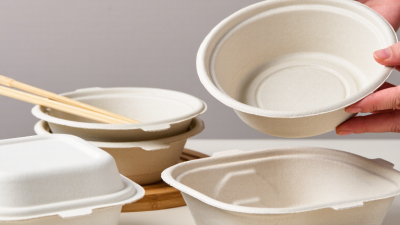
PFAS are a large family of synthetic chemicals with strong carbon–fluorine bonds. Many resist water and oil, which can make them useful in grease-resistant food packaging. Sugarcane bagasse is the dry, fibrous residue left after juice extraction. Its molded fibers can be porous, so oily food or sauce may soak through or soften the container. A coating can help limit leaks and keep the surface less greasy. Not every bagasse package has one. That distinction matters.
A peer-reviewed 2017 study by Schaider and colleagues tested 400 paper food-packaging samples and detected fluorine in 46% of them. The researchers used fluorine as a screening signal; it does not, by itself, prove that PFAS were present or identify a specific chemical. The study also did not test every type of bagasse bowl. For a Sugarcane Bagasse Bowl, appearance alone cannot confirm whether a barrier treatment was used. Ask for recent test results that identify the chemicals tested and explain the method. Even then, a screening result is only part of the picture. It is easy to overread a single number.
Which Bagasse Packaging Products Should Be Checked
How to Check PFAS in Sugarcane Bagasse Food Packaging?
Which Bagasse Packaging Products Should Be Checked
Check each finished product that touches food, not just the raw bagasse fiber. Sugarcane Bagasse Containers include bowls, plates, takeaway boxes, and trays. Also check lids, cups, and molded inserts. Their coatings or processing aids may differ, even when the items look alike. Greasy foods can make oil-resistant packaging especially worth reviewing.
Prioritize products described as grease-resistant, water-resistant, or suitable for hot, oily meals. Printed or coated surfaces deserve attention too. Ask suppliers for product-specific material disclosures and recent test reports. A report for one bowl may not represent a different size, coating, or production batch. For stronger evidence, use a qualified laboratory to screen the finished item for total fluorine, then request targeted PFAS analysis when needed. Screening alone does not identify every substance. Test results can also vary with sampling and methods, so keep records of product names, lot codes, and dates.
Tips: Send the lab unused samples from normal production, including the food-contact surface. Keep packaging from several units. Check again after a supplier changes its coating or formulation. Small differences matter.
How to Check PFAS in Sugarcane Bagasse Food Packaging?
Which Bagasse Packaging Products Should Be Checked?
Start with products intended for greasy or oily foods, since PFAS have been used for grease resistance in some food-contact packaging. The 1–5 scores are suggested screening priorities, not measured PFAS levels or contamination rates. Confirm treatment claims with suppliers and use a qualified laboratory to test food-contact surfaces.
How to Collect and Prepare Packaging Samples
How to Check PFAS in Sugarcane Bagasse Food Packaging?
How to Collect and Prepare Packaging Samples
Start with unopened packages from the same production lot. Collect several units if available, and ask the testing laboratory how much material it needs before sampling. Record the lot code, purchase date, food type, and intended contact surface. Photograph the package as received. Keep samples in their original packaging until handling; do not wash them or touch the food-contact surface with bare hands.
Use clean nitrile gloves and stainless-steel scissors. Avoid PTFE-coated tools, water-resistant paper, and fluoropolymer containers, which may introduce contamination. Place each sample in a clean polypropylene or high-density polyethylene bag or container, and label it clearly. Include an unopened packaging blank if the laboratory recommends one. Small details matter. Even a stray coated label can muddy results.
Tell the laboratory whether you need targeted PFAS testing or a broader screening approach. OECD’s 2021 report identified 4,730 PFAS-related substances in global inventories, so a targeted test covers only its stated analytes. Ask the lab to document its method, reporting limits, and quality controls; an ISO/IEC 17025-accredited lab can help make results more dependable. Bagasse packaging varies in coatings and structure, so one sample may not represent every batch. That limitation is easy to overlook.
How to Screen Samples for Potential PFAS
For Sugarcane Food Packaging, screen representative samples from several positions in a production lot. Bagasse trays can differ by coating, batch, and intended use. Keep food-contact surfaces separate when practical, and use clean containers without fluoropolymer coatings. A broad first screen can measure total fluorine using combustion ion chromatography. A 2017 study in Environmental Science & Technology found detectable fluorine in 46% of food-contact paper samples and 20% of paperboard samples. This indicates fluorinated substances may be common in some packaging materials. Not proof. Total fluorine screening cannot identify PFAS specifically, and other fluorinated compounds may contribute to the result.
If screening finds elevated fluorine, request targeted analysis by LC-MS/MS for specified PFAS. Ask the laboratory to report detection limits, blank results, recoveries, and each analyte—not just a combined total. Test multiple units; uneven coatings can create uneven results. For food-contact assessment, choose migration conditions that reflect actual use, including food type, contact time, and temperature. A tray used for hot, oily food may need different testing conditions from one used for dry food. Keep sample handling records, too. Screening has limits, and one negative sample cannot represent every tray or production lot.
How to Confirm PFAS with Laboratory Testing
How to Check PFAS in Sugarcane Bagasse Food Packaging?
How to Confirm PFAS with Laboratory Testing
Laboratory testing can help determine whether sugarcane bagasse packaging contains PFAS. Start with representative samples from several items or production lots. Handle them with clean gloves, and keep samples away from treated paper or other possible sources of contamination.
Small details matter.
Ask an experienced laboratory which methods fit your question. Total fluorine screening, often performed using combustion ion chromatography, can flag fluorine in a sample. However, it cannot identify PFAS specifically.
A targeted analysis, such as LC-MS/MS, measures selected PFAS compounds. Results depend on which compounds the laboratory includes and the method’s detection limits.
If your concern involves food contact, discuss migration testing under conditions that reflect the packaging’s intended use, such as contact time, temperature, and food type. Keep the sample description and test conditions with the report.
One test is not the whole story. A result below the detection limit does not prove that every PFAS is absent; it means the tested substances were not found above that limit.
This distinction is easy to overlook, even in a careful review.
How to Interpret Results Against Applicable Standards
For Sugarcane Pulp Packaging, interpret PFAS results against the rules for the destination market. A laboratory report may show targeted PFAS, total fluorine, or migration into a food simulant. These are different measurements. The EU Packaging and Packaging Waste Regulation (EU) 2025/40 sets food-contact packaging limits from 12 August 2026: 25 µg/kg for an individual PFAS in targeted analysis, 250 µg/kg for the sum of targeted PFAS, and 50 mg/kg for total fluorine. If total fluorine exceeds 50 mg/kg, supporting evidence about its source is required. Numbers need context. Targeted tests cover selected compounds; fluorine screening alone does not identify them.
EFSA’s 2020 scientific opinion set a tolerable weekly intake of 4.4 ng/kg body weight for the combined exposure to PFOA, PFNA, PFHxS, and PFOS. This is a health-based exposure benchmark, not a packaging pass-or-fail limit. The FDA reported in 2024 that PFAS-containing grease-proofing agents were no longer being sold for U.S. food packaging. When reviewing a result, check the analytes, detection limits, units, and whether the test measured total content or migration. For a bagasse tray, test conditions should reflect intended contact with hot or oily food. A low result is not proof of zero, especially when the laboratory tested only a short list of PFAS. Do not compare unlike methods.
Sustainable Meal Packaging with the CRO Rectangle Fiber Pulp Bento Box
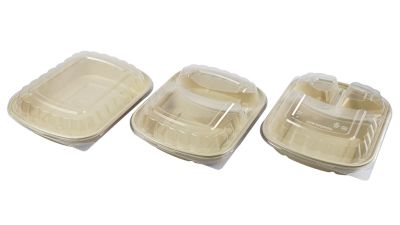
The CRO Rectangle Fiber Pulp Bento Box offers a practical way to serve takeaway meals while reducing reliance on conventional all-plastic containers. Made from molded fiber pulp, its rectangular shape provides room for neatly arranged portions, and a secure PP lid helps keep food covered during storage and transport. With an approximate capacity of 1,000 ml, it suits individual meals for busy food-service counters, restaurants, and catering operations.
Choose from one-, two-, or three-compartment configurations to match different menus and serving styles. The single-compartment option accommodates dishes such as curries, rice meals, steaks, and saucy burritos, while divided versions keep separate items organized in American-style or Japanese-style bentos and ploughman’s lunches. Designed for convenient hot-meal packaging, these boxes combine useful portioning with a sturdy, easy-to-handle format for everyday takeaway service.
FAQS
PFAS are synthetic chemicals with strong carbon–fluorine bonds. Some resist oil and water. A coating may help prevent grease from soaking through porous bagasse. Not every package has one.
No. A smooth surface or oily mark cannot confirm whether a treatment was used. Ask for recent test results that identify the chemicals and methods. Looks can mislead.
No. Fluorine can be a screening signal, but it does not identify a specific chemical. A 2017 study found fluorine in 46% of 400 paper food-packaging samples. It did not test every bagasse product. One number can be easy to overread.
Choose several unopened packages from the same production lot, if possible. Record the lot code, purchase date, intended food, and contact surface. Photograph each package as received. Keep samples unwashed and in their original packaging. Small details matter.
Wear clean nitrile gloves and use stainless-steel scissors. Avoid PTFE-coated tools, water-resistant paper, and fluoropolymer containers. Place samples in clean polypropylene or high-density polyethylene containers. Ask the lab whether it needs an unopened packaging blank.
Ask whether targeted PFAS testing or broader screening suits your purpose. Request the method, reporting limits, quality controls, and list of analytes. Targeted tests cover only the chemicals included. An ISO/IEC 17025-accredited lab can support more dependable results, but no test answers everything.
Check the rules for the destination market and identify what the test measured. EU Regulation 2025/40 sets limits for food-contact packaging from August 12, 2026. The limits include 25 µg/kg for an individual targeted PFAS and 250 µg/kg for their sum. The total-fluorine limit is 50 mg/kg. Above that level, supporting evidence about the fluorine source is required.
No. Targeted analysis measures selected chemicals. Total fluorine is a broader screening measurement and does not identify its source. Migration testing measures what moves into a food simulant. Do not compare unlike methods.
No. A low result does not prove zero, especially when only a short list of chemicals was tested. For hot or oily foods, ask whether test conditions reflect intended use. I might still be giving one result too much weight.
Conclusion
This guide explains what PFAS are and why they may be used in sugarcane bagasse packaging, including to help products resist grease or moisture. It identifies food-contact items that buyers may want to review, such as plates, bowls, trays, and takeout containers. It also outlines practical sample collection and preparation: select representative products, keep samples clean and clearly labeled, and record relevant product details to support reliable screening and follow-up testing.
PFAS in Sugarcane Bagasse Food Packaging: What Should Buyers Ask Suppliers? Buyers can ask whether PFAS are intentionally added, what testing has been conducted, and whether documentation is available for the specific product and production lot. Initial screening can indicate whether further investigation is needed, while laboratory analysis can identify and measure selected PFAS using appropriate methods. Results should be interpreted in context, including the test’s scope, detection limits, intended use, and applicable standards or requirements.
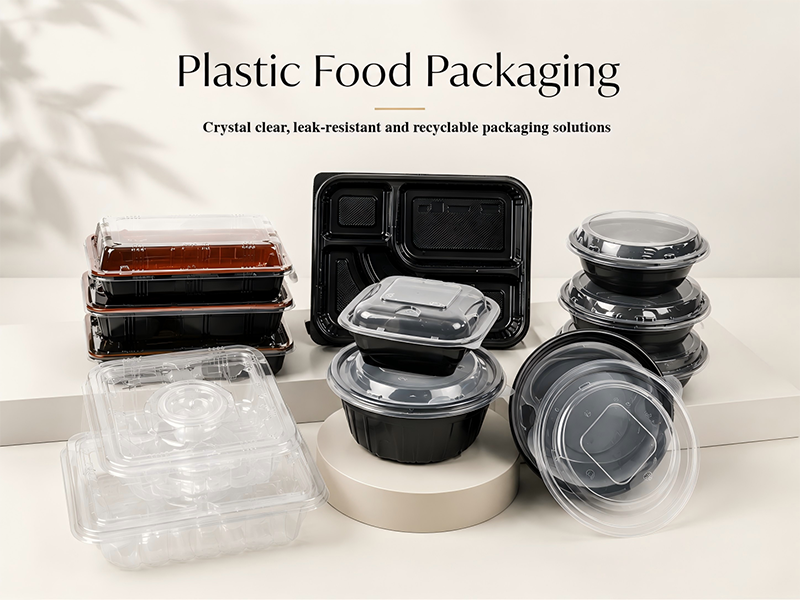 Plastic Food Packaging
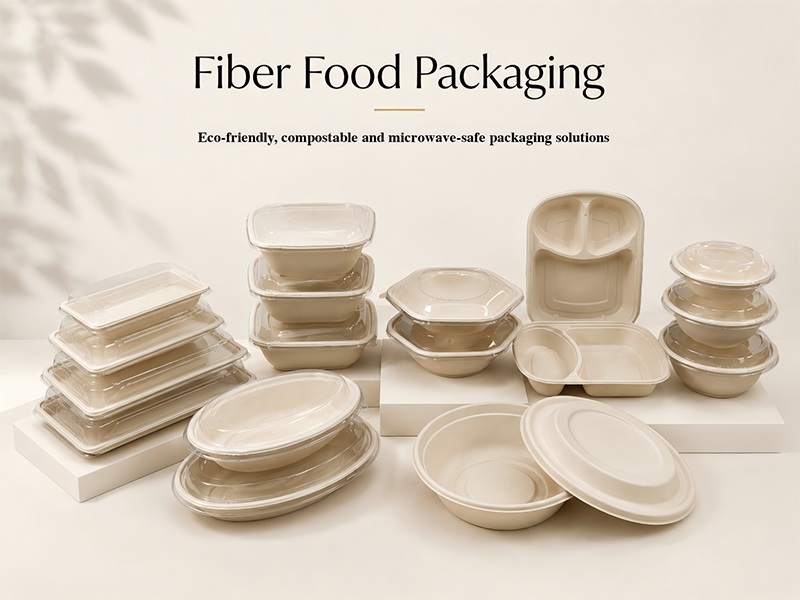 Fiber Pulp Food Packaging
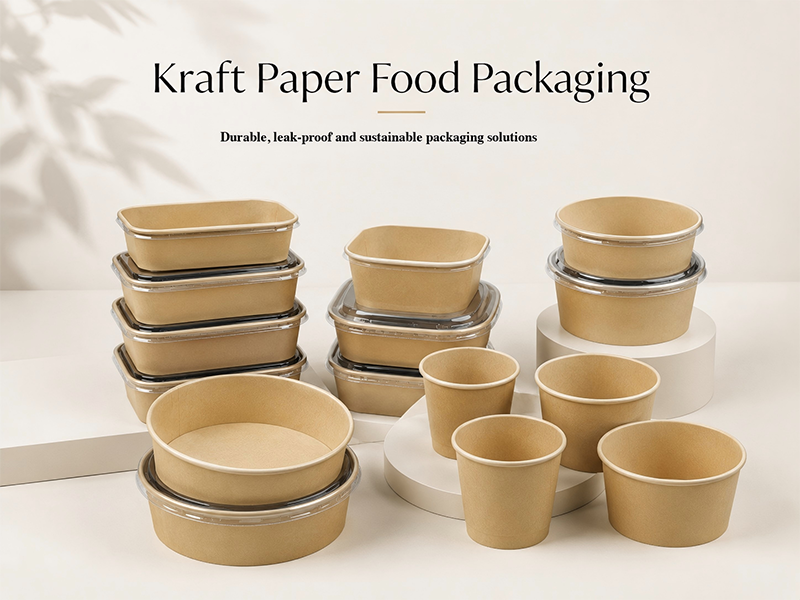 Kraft Paper Food Packaging
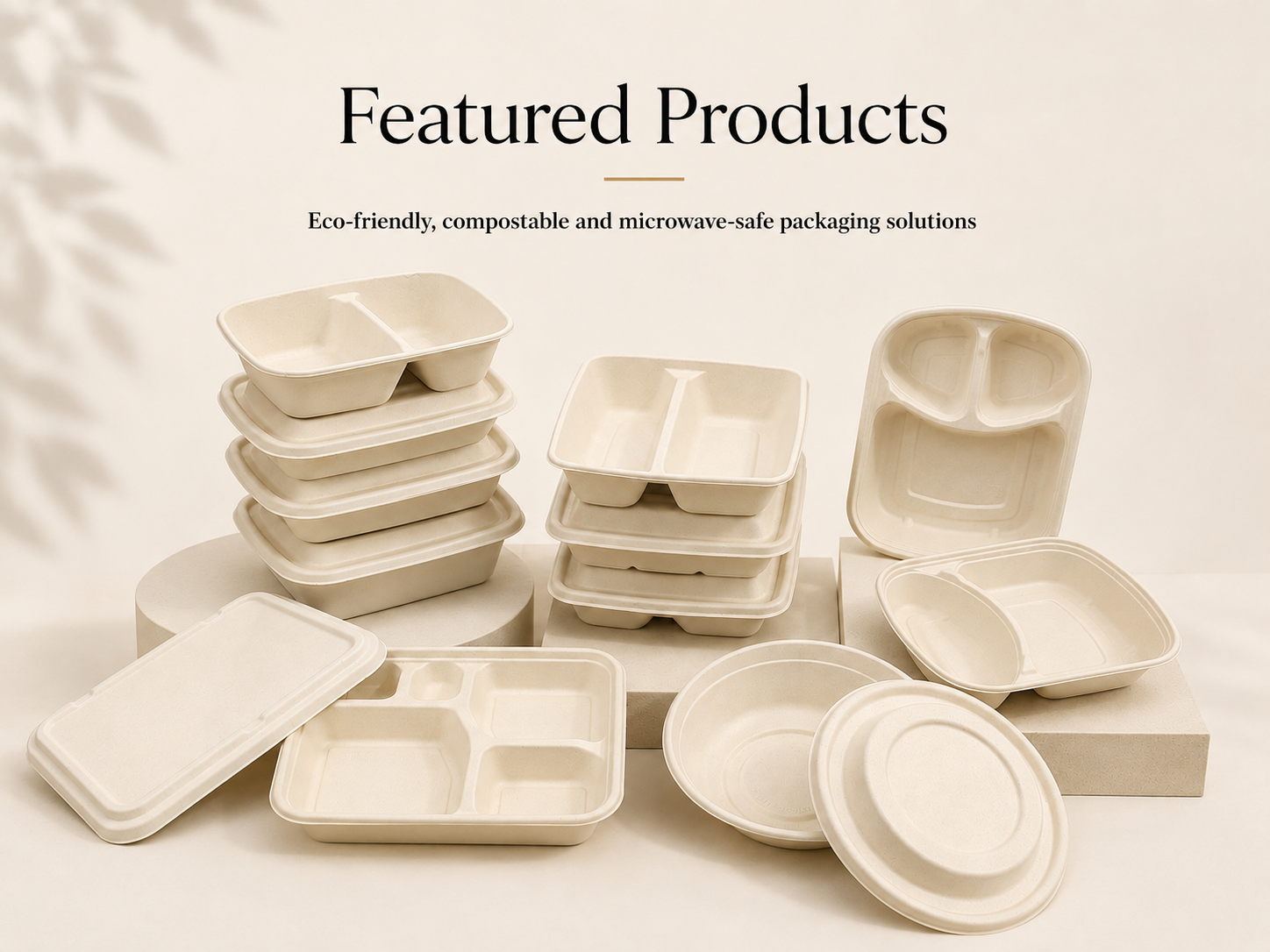 Featured Products
 +86 18024107061
 Contact via email