Leave Your Message
0%

Picking the right food packaging isn't just about looks — it can really make or break your delivery quality, customer happiness, and even your wholesale margins in 2026. Think of this as your go-to guide for the best Food Togo Containers. Whether you’re running a restaurant, catering service, meal prep biz, or distribution operation, we’ve got you covered. And don’t worry — we're focusing on real-world performance, not just pretty pictures in a catalog.

We looked at stuff like how well these containers handle heat, prevent leaks, stack up sturdy, and the quality of their materials and closures. We also checked out portion sizes, storage needs, how they do during transport, and options to customize them. Basically, a good container should keep your food protected from the kitchen all the way to your customer’s hands. It should also make packing during busy times a breeze. Small details matter — like lids that actually fit well. A poorly fitting lid can lead to costly returns and spoiled meals — nobody wants that.

Our comparison includes solutions from well-known packaging suppliers and manufacturers with solid quality procedures behind them. We looked at different materials like fiber, paperboard, plastic, and some eco-friendly recyclable options — whatever works best for the job. But a heads up: wholesale buyers, make sure to double-check food-contact safety rules, local recycling rules, minimum order quantities, and lead times before you buy. Production specs can vary from batch to batch, so samples are definitely worth testing seriously. No container is perfect for everything. A fiber box might look better for your brand, while a plastic one might hold up better against sauces. Don’t forget — those trade-offs can be easy to overlook.

And here’s an honest truth: going for the lowest price per unit doesn’t always mean you’ll save the most in the long run. Leaks, wasted space, or lids that don’t stay shut can sneakily eat into your profits. It’s a smart move to test filled containers in real-life scenarios — stacking them, chilling, reheating, shipping — you name it. The goal of this guide is to help you make smarter choices, but always leave some room to verify specifics for your unique needs. Sometimes, the best choice isn’t obvious until you’ve put it through the paces.
2026 Best Food To Go Containers for Wholesale Buyers

Food To Go Containers: Definition, Uses, and Market Scope

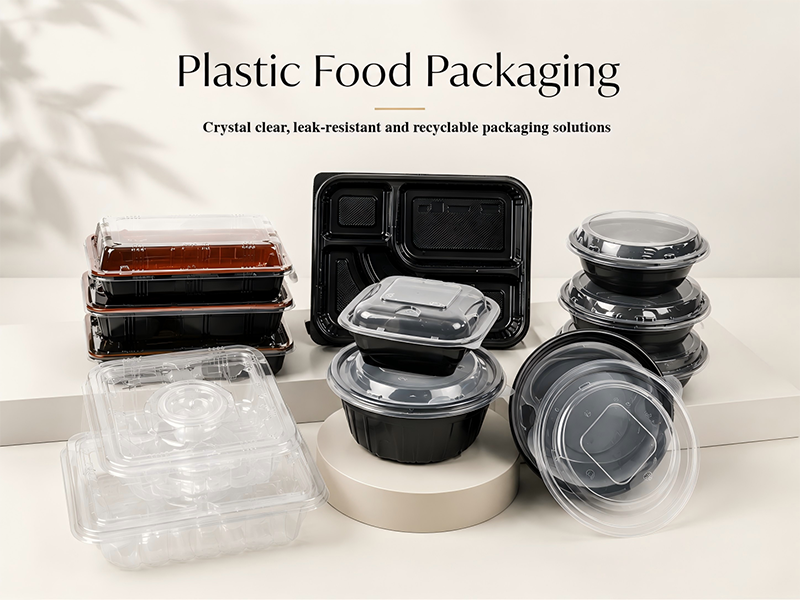
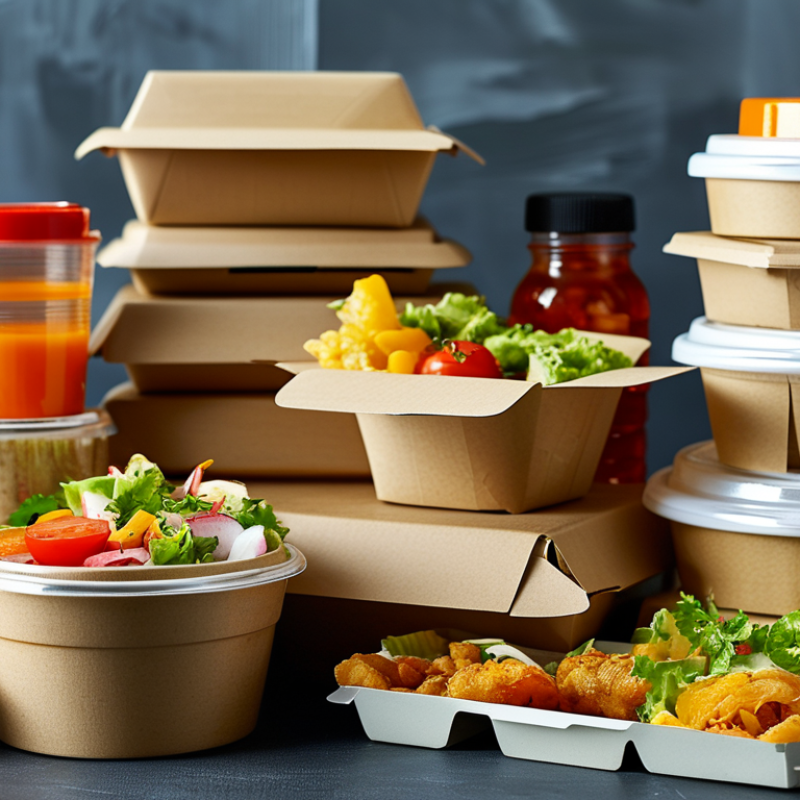
For 2026 wholesale buyers, food to go containers are more than simple packaging. They are vessels designed to hold, protect, and transport prepared meals. Common formats include hinged boxes, bowls, trays, cups, and compartment containers. Materials may include paper fiber, molded pulp, plastic, or other approved food-contact options. Selection depends on heat tolerance, moisture resistance, stacking strength, and presentation.

Their uses reach across restaurants, cafés, caterers, delivery kitchens, school meal services, and event operators. A soup container needs a secure lid and reliable leak resistance. A salad box should protect fresh ingredients without trapping excessive moisture. In real purchasing work, small details matter. A weak hinge can slow service. An unclear capacity can create costly ordering mistakes. Some “best” containers still perform poorly when overloaded, so testing is essential.

The market scope is broad and increasingly shaped by portion control, delivery growth, storage efficiency, and waste reduction goals. Wholesale buyers should compare unit cost with performance, not price alone. Check dimensions, carton quantity, lid compatibility, temperature limits, and packing consistency. Ask for samples before committing to large volumes. This step feels slow, but it often prevents avoidable losses.

Tips: Test containers with the actual menu, including sauces and hot foods. Stack filled units for several hours. Inspect warped lids, weak corners, and inconsistent sizing. Review supplier documentation and traceability records. Keep a small reserve for peak periods. You may need it.

Key Materials Used in Food To Go Container Manufacturing

For wholesale buyers, material choice affects cost, stacking strength, leak control, and disposal options. Paperboard remains widely used because it is lightweight and printable. The U.S. Environmental Protection Agency reported 41.9 million tons of paper and paperboard containers and packaging generated in 2018, with an 80.9% recycling rate. However, grease and food residue can reduce real-world recovery.

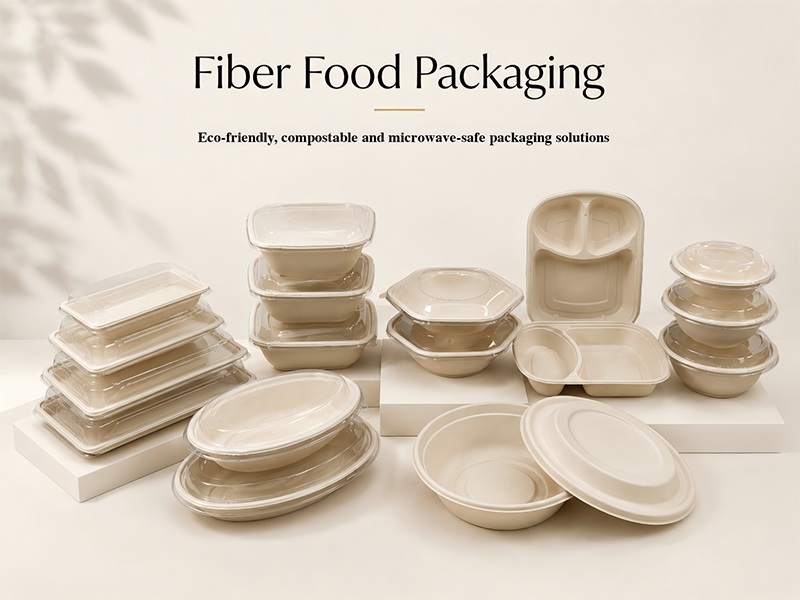
Molded fiber and bagasse provide a firm, matte surface for takeaway meals. They suit bowls, trays, and clamshells containing warm foods. Some products use a thin water-based or bio-based barrier. That layer improves resistance, but it may complicate recycling. According to the European Bioplastics market data update, global bioplastics production capacity is projected to rise from about 2.18 million tonnes in 2023 to approximately 7.43 million tonnes by 2028. Growth is promising, not automatic.

Plastic still matters in demanding applications. Polypropylene tolerates heat and repeated handling, while PET offers clarity for chilled foods. Recycled content can lower virgin material use, but supply quality varies by region. The EPA recorded 14.5 million tons of plastic containers and packaging generated in 2018, with only 13.1% recycled. Eco Friendly Togo Containers should therefore be evaluated by actual infrastructure, not color or marketing language. I would request migration data, temperature limits, recycled-content evidence, and third-party testing before placing a large order. Labels can mislead.

2026 Best Food To Go Containers for Wholesale Buyers - Key Materials Used in Food To Go Container Manufacturing

Material Typical Container Formats Key Performance Properties Common Food Applications Temperature Considerations End-of-Life Profile Wholesale Buying Notes
Polypropylene (PP) Meal trays, hinged takeaway boxes, deli tubs, portion cups, reusable food containers Lightweight, good chemical resistance, durable, moisture-resistant, and suitable for many hot-food applications Prepared meals, soups, curries, pasta, salads, sauces, and refrigerated foods Often selected for hot filling and reheating; exact limits depend on the grade, design, and manufacturer instructions Widely recyclable where local facilities accept polypropylene; check local collection rules A versatile option for high-volume foodservice; compare lid fit, leak resistance, nesting efficiency, and recycled-content availability
Polyethylene Terephthalate (PET) Clear salad bowls, cold-food clamshells, bakery packs, beverage cups, and deli containers High clarity, good stiffness, attractive product visibility, and effective moisture and gas barrier performance Salads, fruit, sandwiches, desserts, bakery items, chilled meals, and cold beverages Primarily intended for cold or ambient foods; standard PET is generally not the first choice for microwave reheating Commonly recyclable where PET collection and sorting systems are available Useful when product visibility supports sales; verify clarity after filling, hinge durability, and compatibility with labeling equipment
Polystyrene (PS) Foam meal boxes, rigid cold-food containers, cups, trays, and portion packs Low cost, lightweight, good insulation in expanded form, and easy to shape Takeaway meals, chilled foods, bakery products, and hot or cold beverage service depending on the form Performance varies between rigid and expanded PS; confirm use limits and local food-contact requirements Recycling access is limited in many areas, particularly for expanded foam products; local regulations may restrict use Assess regulatory status, disposal infrastructure, and customer sustainability requirements before purchasing
Paperboard and Coated Paper Folding cartons, bakery boxes, sandwich packs, noodle boxes, and food trays Printable surface, low weight, easy stacking, and broad size and shape flexibility Sandwiches, baked goods, dry snacks, takeaway meals, fries, and quick-service foods Uncoated grades are more vulnerable to grease and moisture; coatings improve resistance but may affect recycling Fiber recycling is possible when the package is sufficiently clean and accepted by local facilities; plastic or wax coatings can complicate processing Specify board weight, recycled-fiber content, grease barrier, coating type, print quality, and case-pack efficiency
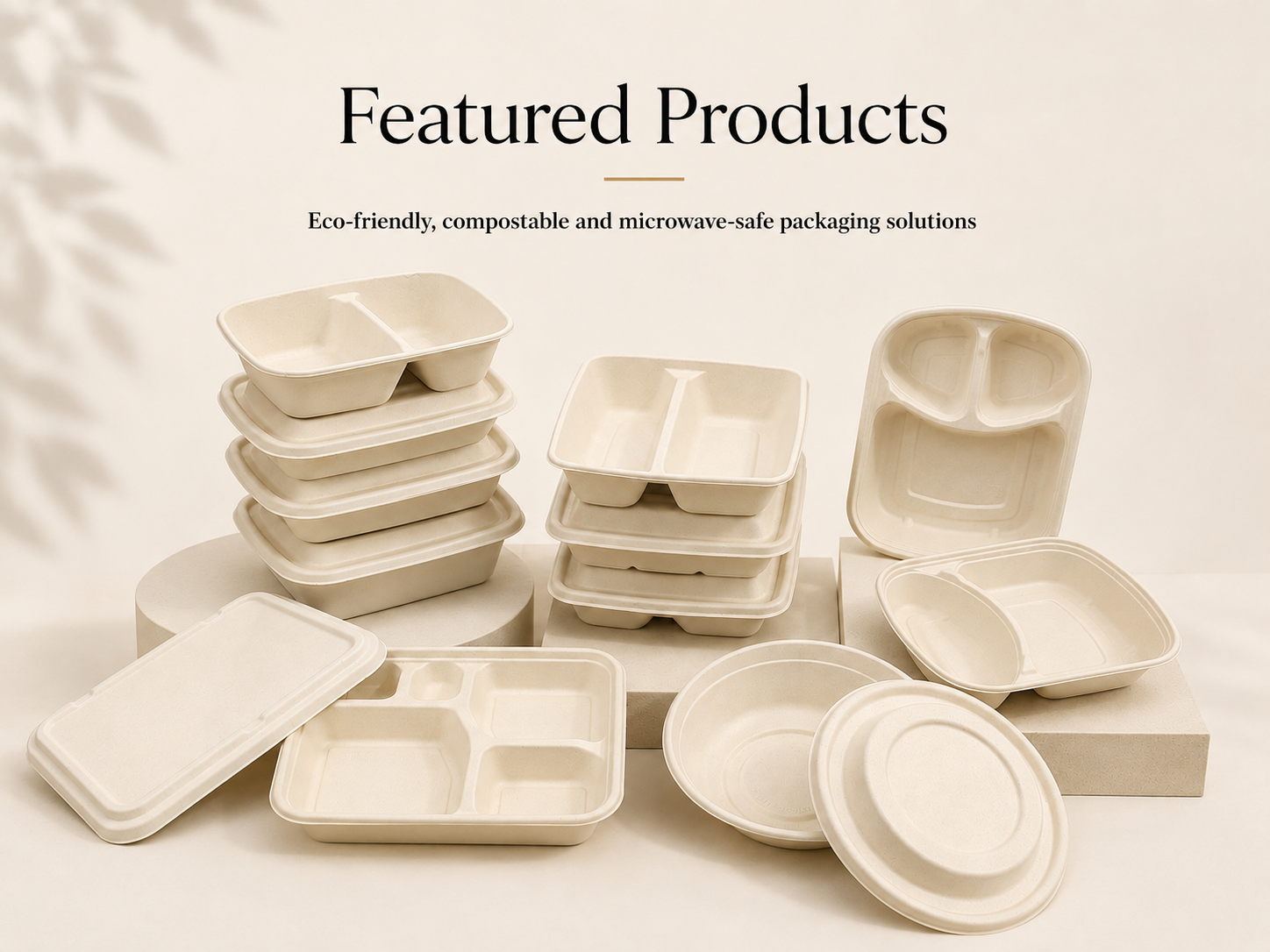
Molded Fiber Clamshells, plates, bowls, trays, cup carriers, and protective food inserts Made from molded plant fiber or recycled paper fiber; offers rigidity, a natural appearance, and good stacking potential Hot meals, side dishes, snacks, bakery goods, produce, and catering service Suitable temperature range depends on fiber formulation and barrier treatment; prolonged contact with hot liquids may require a coating May be recyclable or compostable depending on fibers, coatings, additives, and local commercial or municipal systems Request documentation for fiber source, coating chemistry, compostability claims, moisture resistance, and certification scope
Bagasse Fiber Clamshells, plates, bowls, compartment trays, and catering containers Plant-fiber construction, rigid shape, good presentation, and resistance to moderate heat and grease when properly designed Rice dishes, fried foods, salads, sandwiches, hot entrées, and event catering Often used for hot foods; exact performance depends on wall thickness, moisture level, and any barrier coating Some products are designed for commercial composting, but acceptance depends on certification and local organic-waste infrastructure Check for fiber-source consistency, oil resistance, stack compression, odor transfer, and verified disposal claims
Aluminum Roasting trays, foil containers, lidded meal trays, pie pans, and catering pans Excellent heat conductivity, strong barrier against light and gases, low moisture permeability, and high shape stability Roasted meals, baked dishes, pies, desserts, catering portions, and food prepared for reheating Suitable for oven use when specified; aluminum containers should not be used in a microwave unless expressly designed and labeled for that purpose Highly recyclable where collection systems exist; containers should be emptied and accepted under local rules Compare gauge, rim strength, lid compatibility, nesting depth, transport protection, and food-acid compatibility
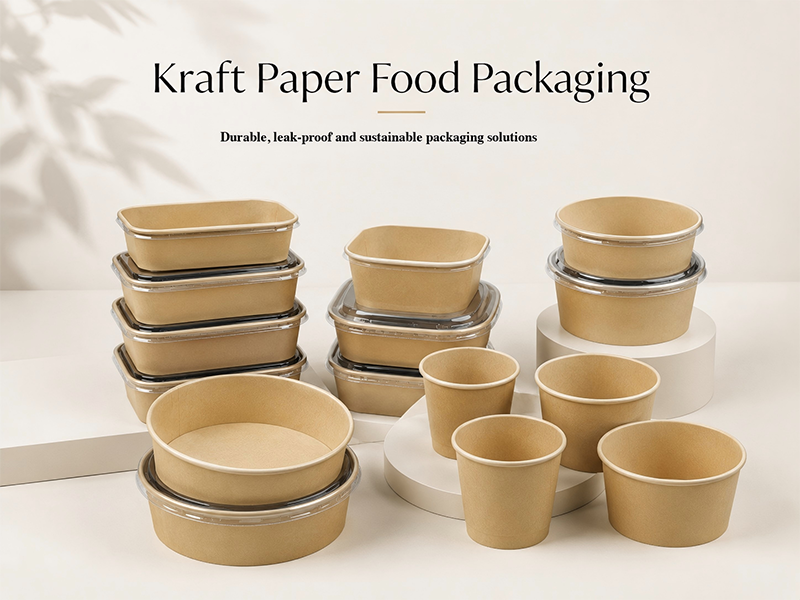
Kraft Paper with Barrier Lining Soup cups, hot-food tubs, paper bowls, noodle containers, and takeaway cartons Paper-based structure with improved resistance to grease, moisture, and leakage through a polymer or dispersion barrier Soups, noodles, sauces, rice dishes, snacks, desserts, and hot beverages Many formats are engineered for hot filling; confirm lid, lining, and handling performance for the intended temperature Recyclability depends on the lining and local fiber-processing capability; certified compostability requires suitable collection conditions Specify leak testing, lining type, cup-to-lid fit, print coverage, moisture resistance, and applicable food-contact compliance
Bioplastics such as PLA Cold-food cups, clear lids, salad containers, deli packs, and portion containers Plant-derived feedstock may be used; provides clarity and a plastic-like appearance for selected cold-food formats Cold drinks, salads, fruit, desserts, sauces, and chilled foods Standard PLA has limited heat resistance compared with many conventional food plastics and is generally intended for cold applications Typically requires commercial composting conditions when certified; it is not automatically recyclable with conventional PET or PP streams Verify certification, maximum use temperature, labeling requirements, and whether the target market has suitable composting infrastructure

Note: Temperature limits, food-contact compliance, recyclability, and compostability depend on the exact formulation, coating, package design, local regulations, and available waste-management infrastructure. Buyers should request current technical specifications and compliance documentation for each product.

Container Types for Different Foods and Service Formats

2026 Best Food To Go Containers for Wholesale Buyers

Container choice should follow the food, travel distance, and service format. For hot meals, use sturdy containers with secure lids and enough headspace. Steam needs somewhere to escape. Vented lids help protect fried chicken, noodles, and roasted vegetables from becoming soggy. Keep it upright. Soup and curry require leak-resistant seals, reinforced corners, and containers that tolerate heat without warping.

For salads, fruit, and chilled desserts, clear containers improve product visibility. Flat lids suit layered salads, while deeper bowls prevent toppings from being crushed. Divided containers work well for rice meals, sauces, and side dishes served together. However, narrow compartments may frustrate customers using forks. Small details matter. For delivery services, stackable shapes reduce movement inside bags and improve storage efficiency. Catering operations may prefer hinged lids for faster packing, though hinges can weaken after rough handling.

Eco Food Containers can support wholesale goals when material choices match actual use. Fiber-based options suit many dry or lightly sauced foods, but heavy gravy may require a stronger barrier. Reusable formats can work in controlled return systems, yet they need washing space, tracking, and customer cooperation. I have seen attractive packaging fail because condensation softened the base. Not every format works. Wholesale buyers should test filled containers for two hours, check leaks, measure stacking stability, and review food-contact documentation for each market. A small trial often reveals problems that a product sheet misses.

2026 Best Food To-Go Containers for Wholesale Buyers

Container suitability varies by food type and service format. The chart uses a practical 1–5 score based on leak control, heat handling, ventilation, stacking, and presentation requirements commonly considered in foodservice purchasing.

Higher scores indicate a stronger operational fit for the selected food category. Scores are planning benchmarks rather than laboratory performance ratings; buyers should confirm material, temperature, closure, and local recycling requirements with suppliers.

Essential Features for Wholesale Buyer Evaluation

Wholesale buyers need more than attractive samples when evaluating Food Bowl Containers. Start with the material specification, food-contact documentation, and production consistency. Ask for test reports that match the actual container, not a similar model. Check wall thickness across several samples. Uneven rims may cause lids to loosen during transport.

Leak resistance deserves a practical trial. Fill containers with soup, seal them, and place them sideways for several hours. Test them cold and hot. Observe warping, staining, odor retention, and lid distortion. Small details matter. A lid that clicks shut in a showroom may open inside a delivery bag. Check stackability, nesting depth, label space, and whether containers separate easily with gloved hands.

Wholesale evaluation should also include carton strength, pallet efficiency, minimum order quantities, and replacement procedures for defective units. Request samples from different production batches when possible. Compare dimensions with the supplier’s stated measurements. A two-millimeter difference can affect packing density and portion presentation. Consider storage temperatures and intended food types before approving microwave or freezer use. Requirements vary by market, so verify current documentation with qualified specialists. A lower unit price may lose value through leakage, slow packing, or excessive breakage. No checklist catches everything. Record trial results, photograph failures, and invite kitchen staff to challenge the decision before placing a large order.

Food Safety, Sustainability, and Regulatory Considerations

2026 Best Food To Go Containers for Wholesale Buyers

Food safety should guide every wholesale container decision. A container must match the food, temperature, storage time, and delivery method. Hot soup exposes weak seals quickly. Oily sauces can stain or soften unsuitable materials. Test it hot. Fill samples with real meals, stack them, and check leaks after transport. A clear lid should resist cracking, while vents must release steam without touching the food.

Regulatory compliance requires more than attractive packaging. Buyers should request food-contact declarations, migration test results, material specifications, and manufacturing records. Requirements differ between countries and product categories, so local rules need verification before purchase. Do not rely on a general certificate. It may not cover the exact material, colorant, adhesive, or temperature range. Labels should also support accurate disposal and food-safety instructions.

Sustainability claims need careful measurement. Recycled content can reduce virgin material use, but it may have strict food-contact limits. Compostable packaging is not automatically compostable in every community. Collection systems matter. Claims need proof. Compare weight, durability, reuse potential, and end-of-life options instead of choosing by material name alone. A lighter container may reduce shipping emissions, yet fail during delivery and create more waste. That trade-off deserves honest review. Wholesale buyers should keep test records, inspect production samples, and revisit suppliers when regulations or local recycling infrastructure change.

Pricing, Supplier Selection, and Bulk Purchasing Strategies

Wholesale buyers should price Fast Food Containers by landed cost, not unit price alone. Grand View Research estimated the global foodservice packaging market at about US$84.3 billion in 2023. It also projected steady growth through 2030. This signals stronger demand, but not automatic profit.

Request quotations for 32-ounce containers, matching lids, cartons, freight, and minimum order quantities. A supplier offering US$0.08 per piece may become more expensive after shipping and damaged cartons. Check food-contact declarations, migration test reports, production dates, and batch traceability. The Foodservice Packaging Institute’s industry guidance emphasizes fit, closure performance, and material suitability for the intended food. Test soup, fried food, and chilled salads separately. One lid may not fit every temperature condition. No spreadsheet is perfect. Recheck assumptions.

Tips: Order samples before negotiating volume. Stack filled containers for 24 hours. Inspect leaks, odor, lid tension, and carton compression. Ask for a written price-break table at 10,000, 50,000, and 100,000 units. Keep two qualified suppliers when cash flow allows. However, splitting orders can weaken volume discounts and increase freight. I have seen buyers overlook storage space. A pallet bargain becomes costly when cartons sit in humidity or block picking aisles. Supplier selection should include response time, replacement policy, audit evidence, and realistic lead times. Smithers’ 2024 packaging analysis also highlights sustainability pressure across foodservice formats, so request credible material and recycled-content documentation rather than vague environmental claims.

Small Square Pulp Food Bowls: A Practical Choice for Eco-Friendly Serving and Everyday Meals

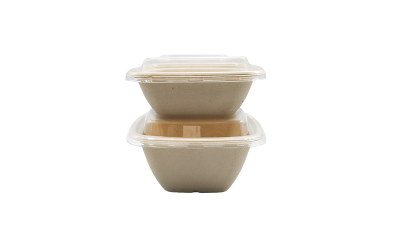
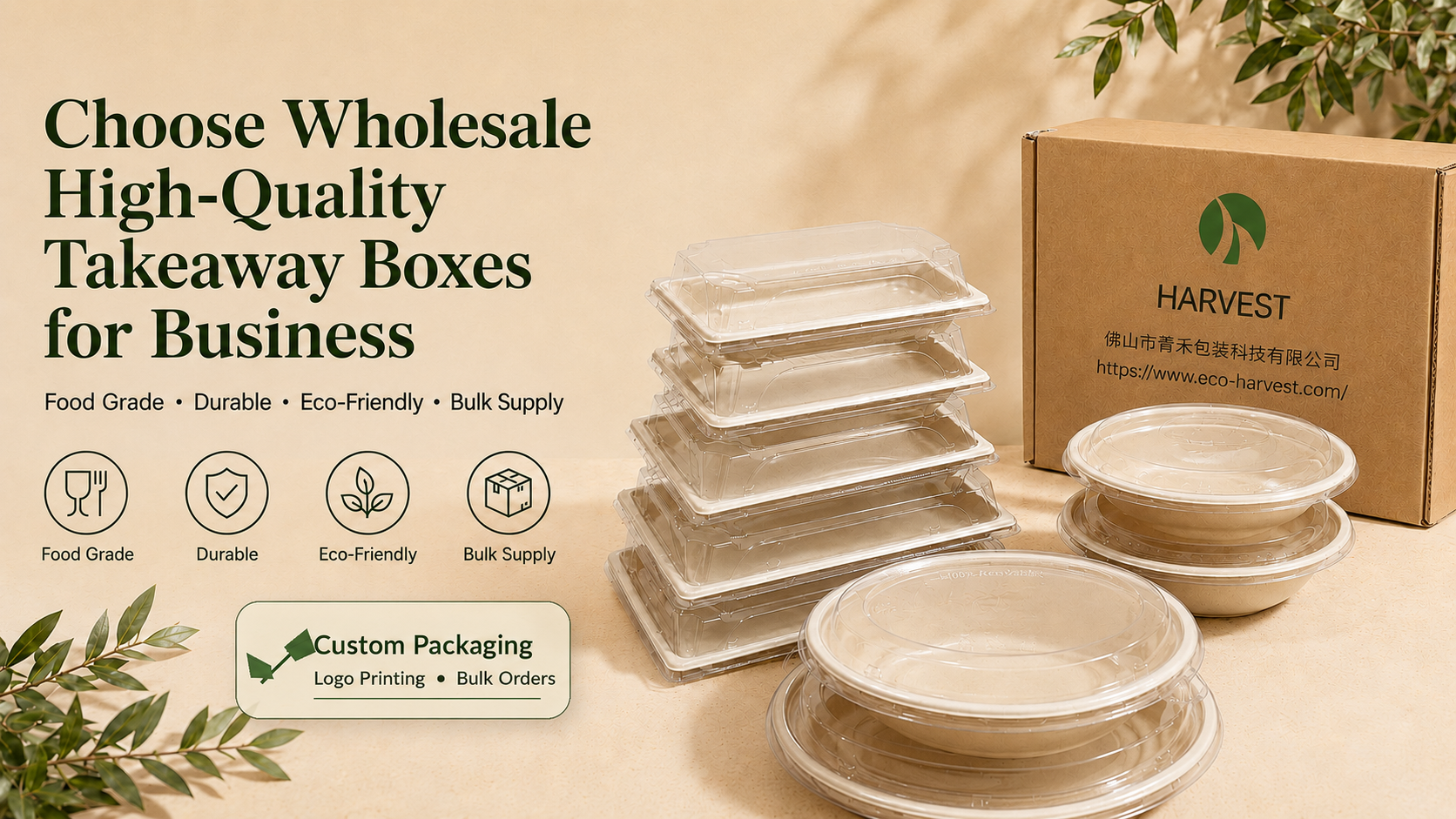
Small square pulp food bowls offer a practical balance between convenience, portion control, and environmental responsibility. The United Nations Environment Programme’s *Food Waste Index Report 2024* estimates that approximately 1.05 billion tonnes of food were wasted worldwide in 2022, making appropriately sized meal packaging increasingly important. Available in 350ml and 500ml capacities, these compact bowls are well suited to side dishes, appetizers, salads, pasta, poke food, noodles, and other light meals. Their approximately 5-inch diameter provides enough space for attractive presentation while helping food-service operators avoid oversized containers for smaller servings.

Made with an unbleached pulp base and a PET/RPET lid, the bowls provide a clear view of the contents while helping protect food during transport and display. The pulp component is designed to be compostable where suitable commercial composting facilities are available, supporting waste-reduction goals without sacrificing everyday usability. The ergonomically reduced bottom also improves grip, allowing customers to hold and carry the container comfortably with one hand. As reported in the Ellen MacArthur Foundation’s *New Plastics Economy* research, packaging represents a significant share of global plastic use, encouraging businesses to explore fiber-based formats and more resource-conscious designs for takeaway meals and daily food service.

FAQS

: What are food to go containers?

: They are vessels for holding, protecting, and transporting prepared meals. Common forms include bowls, trays, cups, hinged boxes, and compartment containers.

Which containers suit hot meals?

Choose sturdy containers with secure lids, heat tolerance, and enough headspace. Steam needs room.Vented lids can help protect fried foods, noodles, and roasted vegetables from sogginess. Keep filled containers upright.

What features matter for soup and curry?

Look for leak-resistant seals, reinforced corners, and lids that resist warping. Test containers with hot soup.Place sealed samples sideways for several hours. Check leaks, lid movement, staining, and temperature-related distortion.

How should buyers select containers for salads and chilled foods?

Clear containers improve visibility for salads, fruit, and chilled desserts. Flat lids suit layered salads.Deeper bowls help protect toppings. Avoid designs that trap too much moisture or crush delicate ingredients.

When are compartment containers useful?

Divided containers suit meals combining rice, sauces, vegetables, and side dishes. Narrow sections may frustrate customers using forks.Check the actual utensil fit before ordering large quantities.

Are fiber-based containers suitable for every food?

No. Fiber-based options often suit dry or lightly sauced foods. Heavy gravy may need a stronger moisture barrier.Condensation can soften the base. Attractive packaging can still fail.

What should wholesale buyers test before placing a large order?

Test containers with the actual menu, including sauces and hot foods. Fill them completely.Stack filled units for several hours. Inspect weak hinges, warped lids, leaking corners, uneven rims, and inconsistent sizing.

Which documents and measurements should buyers review?

Request food-contact documentation, relevant test reports, dimensions, temperature limits, and traceability records. Check actual samples.Also review carton quantity, lid compatibility, pallet efficiency, minimum order quantities, and replacement procedures.

How can buyers compare container costs fairly?

Compare unit price with leakage, breakage, packing speed, storage space, and replacement risk. Cheap is not always cheaper.A small trial may expose problems that product sheets miss. Still, testing cannot predict every customer-handling mistake.

Conclusion

This guide to Food Togo Containers explains their role in takeaway, delivery, catering, meal preparation, and foodservice operations. It reviews common manufacturing materials, including paperboard, plastic, aluminum, and compostable or recyclable alternatives, while comparing container formats suited to hot meals, cold foods, soups, salads, desserts, and combination orders. Buyers will also learn how design elements such as leak resistance, heat retention, ventilation, stackability, sealing performance, and size variety can affect customer satisfaction and operational efficiency.

For wholesale purchasing, the article highlights essential evaluation criteria such as food-contact safety, durability, labeling, sustainability claims, and compliance with applicable regulations in target markets. It also explains how to compare total costs rather than unit prices alone by considering shipping, storage, customization, minimum order quantities, and product consistency. Practical supplier-selection and bulk-buying strategies help businesses balance quality, environmental objectives, reliable availability, and long-term value when building an effective food packaging program.
Alexander

Alexander

Alexander is a dedicated marketing professional at Foshan City Harvest Packaging Co., Ltd., a pivotal manufacturing and service hub nestled in Guangdong Province. With a profound expertise in food packaging solutions, Alexander plays a crucial role in promoting the company's commitment to......
Previous Top 10 Paper Containers Suppliers You Should Consider?